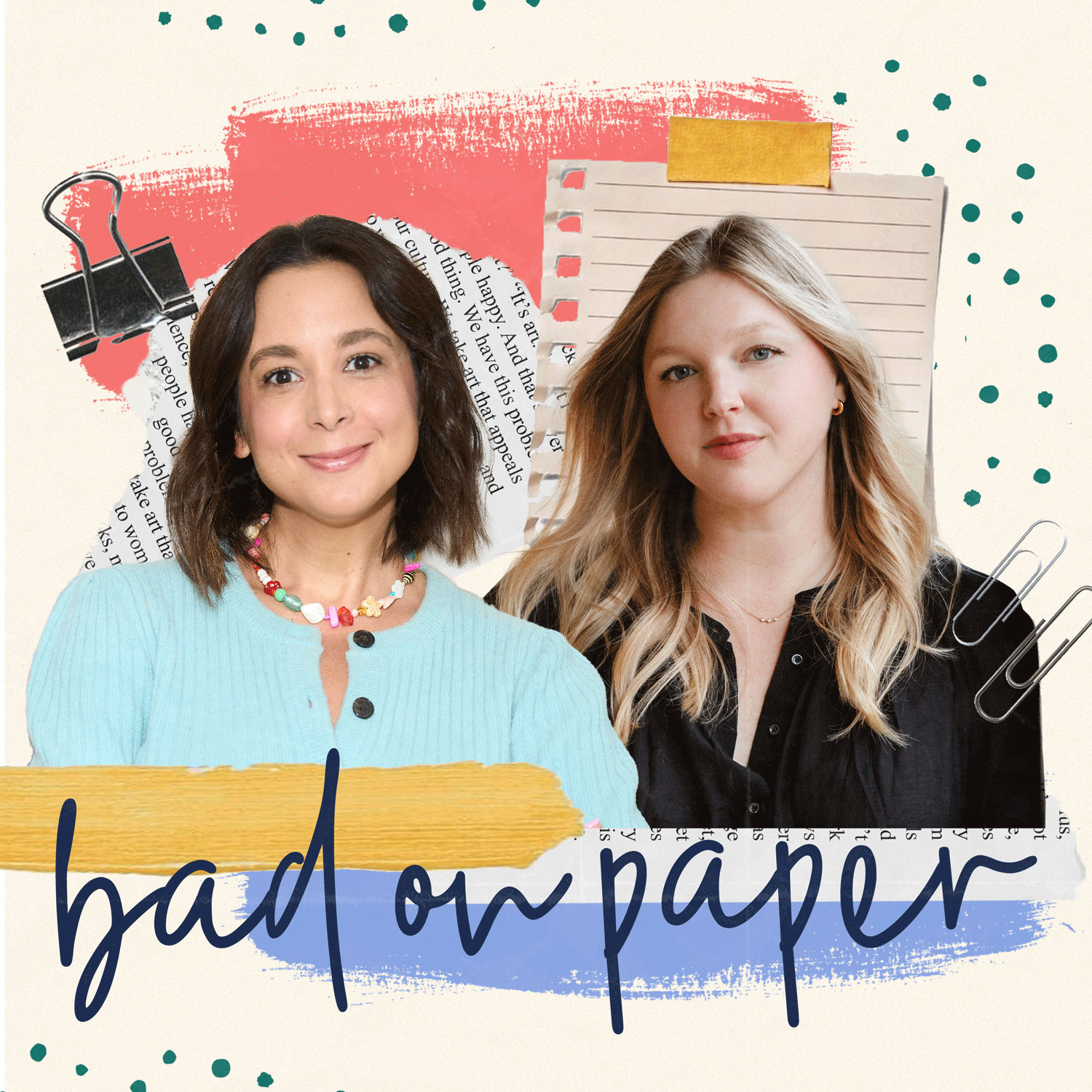
Bad On Paper is a bookish conversation show with a familiar rhythm: a quick welcome, a personal high or low, and then a turn toward reading, writing, publishing, or whatever cultural obsession has taken over the week. It is warm and structured, but not airless. The conversation keeps the looseness of two people catching up while still giving episodes clear shapes, from monthly Three Things installments to book club discussions and themed recommendation lists. Books are the center of gravity. Life keeps tugging at the edges. Recent episodes make room for 2026 publishing trends, a reading preview for the first half of 2026, favorite nonfiction reads, and a book club conversation about So Old So Young by Grant Ginder. They also make room for book events in Natick and Charleston, a birthday drive through Kennebunkport, spring cleaning, garden work, kitchen-renovation anxiety, and the strange satisfaction of writing acknowledgements. That mix is the point. Recommendations arrive with context, not just titles. A nonfiction pick can lead toward Edie Sedgwick, Andy Warhol, Factory Girl, Harvey Weinstein, Goodreads memories, and No One Tells You This by Glynis McNichol. A personal high can become a story about a listener handing over an anthology because the show helped her keep writing. The show is comfortable with enthusiasm. It is also comfortable with softness. The Little Pod material around Gigi, a bookstore owner in the Outer Banks who died after an interview, gives the recent run a more tender thread about memory, tribute, and the relationships around books. Even the celebratory anniversary episode carries that sense of looking back without getting glossy about it. Grace's return works because the audience is treated as familiar with the ongoing cast of references, but the conversation stays accessible enough for newer listeners. Bad On Paper is best for readers who want recommendations, publishing talk, and literary companionship without a lecture-hall tone. It feels like a standing date with people who are tracking their books, their drafts, their homes, and their weather all at once.