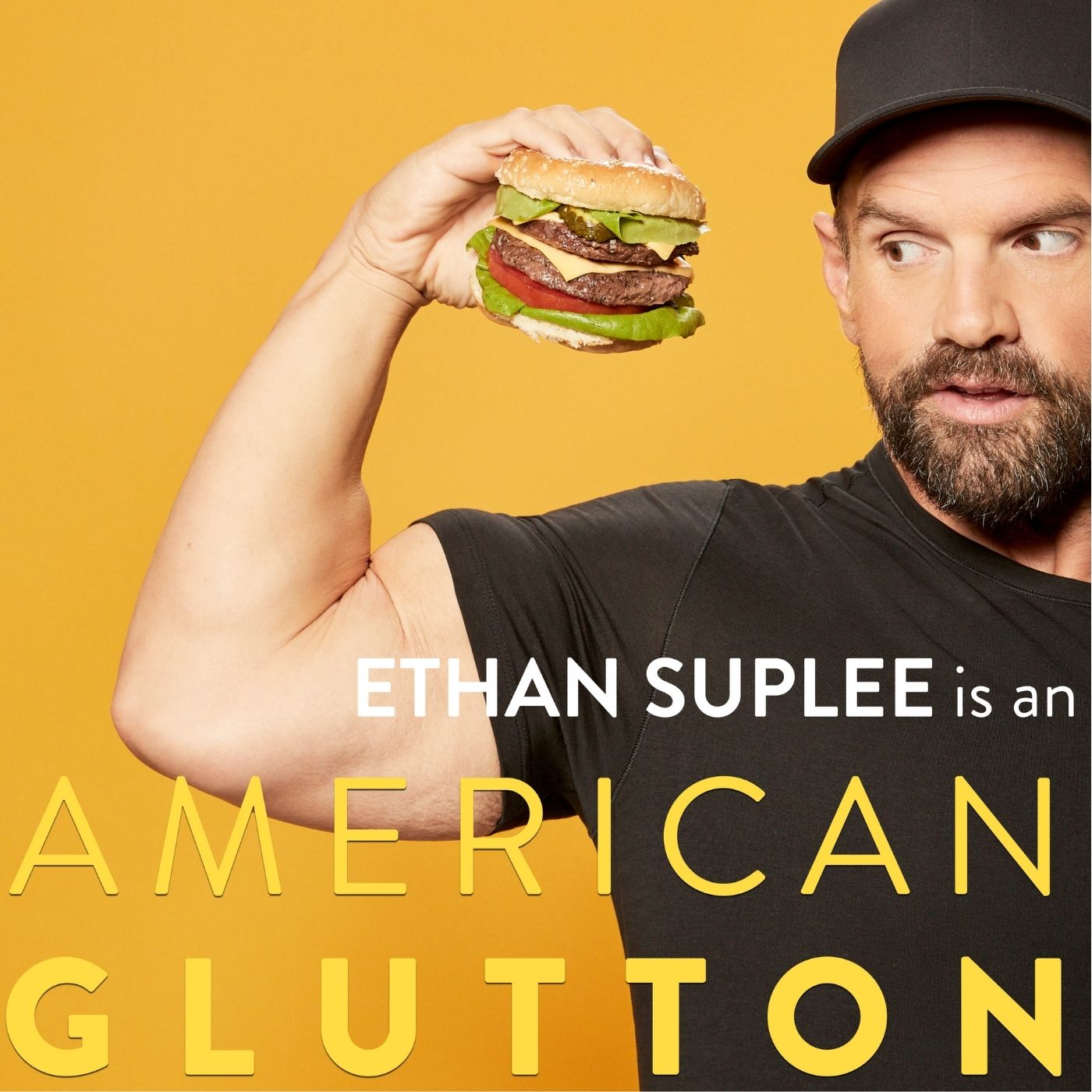
American Glutton is a measured, candid show about food, weight, appetite, and the long work of changing behavior. Its center of gravity is practical maintenance. Ethan Suplee talks about diets, eating, exercise, cravings, and body composition with the skepticism of someone who has seen rigid plans collapse under ordinary life. The show is not built around miracle fixes. It keeps asking what happens on weekends, on the road, under stress, in front of a screen, or after the first burst of motivation has worn off. That makes the conversations more useful than tidy. A cheat day becomes a question about labels, permission, restriction, and the aftermath. Hunger becomes a question about headspace, emotional triggers, and whether the body is actually asking for food. Fast food becomes a question about environment, advertising, airport survival, and the difference between abstinence and practical damage control. Even nutrition details, like fruit, added sugar, protein, carbohydrates, and meal timing, are usually brought back to behavior rather than left as isolated facts. The listener-question format gives the show a grounded rhythm. It often starts with a specific problem, then works outward toward a rule or structure that might hold up next time. Guest conversations broaden the frame. Ken Rideout brings a conversation about discomfort, while Dr. Ailey Cohen is presented through a practical lens on pesticides, toxins, and food-system exposure. The show can be blunt. It also makes room for the emotional cost of body change, including loose skin, scars, and the strange grief of not recognizing one's body after weight loss. Its strongest through-line is that excess fat, cravings, and relapse are rarely just isolated failures of willpower. They point to patterns that need to be managed directly. American Glutton suits people who want health advice that is serious, concrete, and skeptical of extremes, with enough lived friction to make the advice feel tested.