Three illustration hosts discuss how they keep art supplies accessible and ready to carry.
A listener's question about drawing screens leads Jake Parker, Lee White and Samantha Cotterell into a conversation about workstations and art supplies.

432 episodes listed below
Illustration craft, career, and studio reality.
3 Point Perspective treats illustration as both a calling and a working trade. Episodes move from drawing-table setups and portable tools to book sales, Kickstarter strategy, creative routines, industry relationships, and the anxiety of standing out in a crowded market.
PRESS PLAY
3 Point Perspective treats illustration as a daily practice, a career puzzle, and a community conversation. The show is informal, but its center of gravity is practical. One week, the conversation may be about studio setups: Wacom versus iPad, hardware-store storage, rolling watercolor carts, travel containers, mugs full of pencils, and the strange satisfaction of making tools visible and portable. Another week, it may turn toward the harder question of how an illustrator competes when shelves, feeds, and comic shops already feel overcrowded. The answer is rarely a slogan. The show tends to reach for concrete habits: maintain industry friendships, mail memorable self-published work to art directors, audit the time of day when creative energy is strongest, and build systems that protect deep work. Publishing comes up often, especially children’s books, author portals, royalties, market trends, dummies, page turns, final-art samples, and what buyers may actually be responding to. So does creative psychology. Episodes weigh the pressure to invent something entirely new against the more workable act of reframing something personally meaningful. Business episodes are especially useful because they connect taste to execution. A conversation with Dusty moves through board game branding, Kickstarter preparation, pre-campaign audiences, and the gap between having an idea and finding people who want it. The Raissa Figueroa episode adds a picture-book lens, including pitches, agents, abstract emotional stories, and the uncertainty of what publishers want in a given moment. The show’s loose banter is part of the texture. Jokes, interruptions, movie references, and imperfect intros sit beside real notes on craft and career. For working and aspiring illustrators, that mix makes the advice feel lived-in rather than polished flat. It is a show for artists who need both technical shop talk and reminders that creative careers are built through routines, relationships, experiments, and repeat attempts.
Made for: For illustrators, picture-book makers, visual storytellers, art students, and creative freelancers who want practical career talk alongside candid studio conversation.
What sets it apart: The show stands out by joining granular craft details with the business mechanics around publishing, Kickstarters, portfolios, relationships, and creative discipline.
Professional illustrators talking about illustration, how to do it, how to make a living at it, and how to make an impact in the world with your art. Hosts: Lee White, Jake Parker, Samantha Cotterill, and Anthony Wheeler.
Based on 5 episodes we listened to · September 2026
It makes illustration's hidden work legible by connecting studio practice with the business and relationships that sustain a career.
3 Point Perspective: The Illustration Podcast treats an artist's working life as a chain of practical decisions. Jake Parker, Lee White, and Samantha Cotterill move between co-hosted conversations and guest interviews, asking how creative ideas become finished work and how that…
A self-published book becomes a business card; you might rethink your next introduction.
Press play if you want
Short reviews from the PlayNext desk, based on the episodes we processed.
Three illustration hosts discuss how they keep art supplies accessible and ready to carry.
A listener's question about drawing screens leads Jake Parker, Lee White and Samantha Cotterell into a conversation about workstations and art supplies.
Dusty of Duxomina Games discusses finding an audience before a Kickstarter launch.
Jake Parker and Samantha Cotterill talk with Dusty of Duxomina Games about making board games with his wife, Amy, and finding people who might want to play them. Their games include one about collecting flowers in the Victorian era and another inspired by Regency romance.
A conversation about studio isolation leads to friendship, art directors and the value of mailing work.
Samantha Cotterill begins with the effort of getting out of the house and finding community when work happens alone in a studio. The conversation soon reaches a question many illustrators face: how does someone get their work in front of an art director?
A picture book illustrator traces a pitch from phone notes and dummies to the finished art her agent expects.
A picture book illustrator walks through the work behind a pitch. Ideas begin as notes on her phone, then take shape as dummies. One project is being shopped, two dummies need revision, and another has yet to be made.
The hosts talk through time tracking, distractions and habits for creative work.
The hosts begin with a former guest's Caldecott Medal, then take up a listener's question about Deep Work and the shape of a creative day. One host spent months tracking time and found that mornings suited demanding creative tasks better than afternoons, which they set aside for…

Art historian Tamar Avishai interviews critics, curators, and writers about single paintings and ideas.
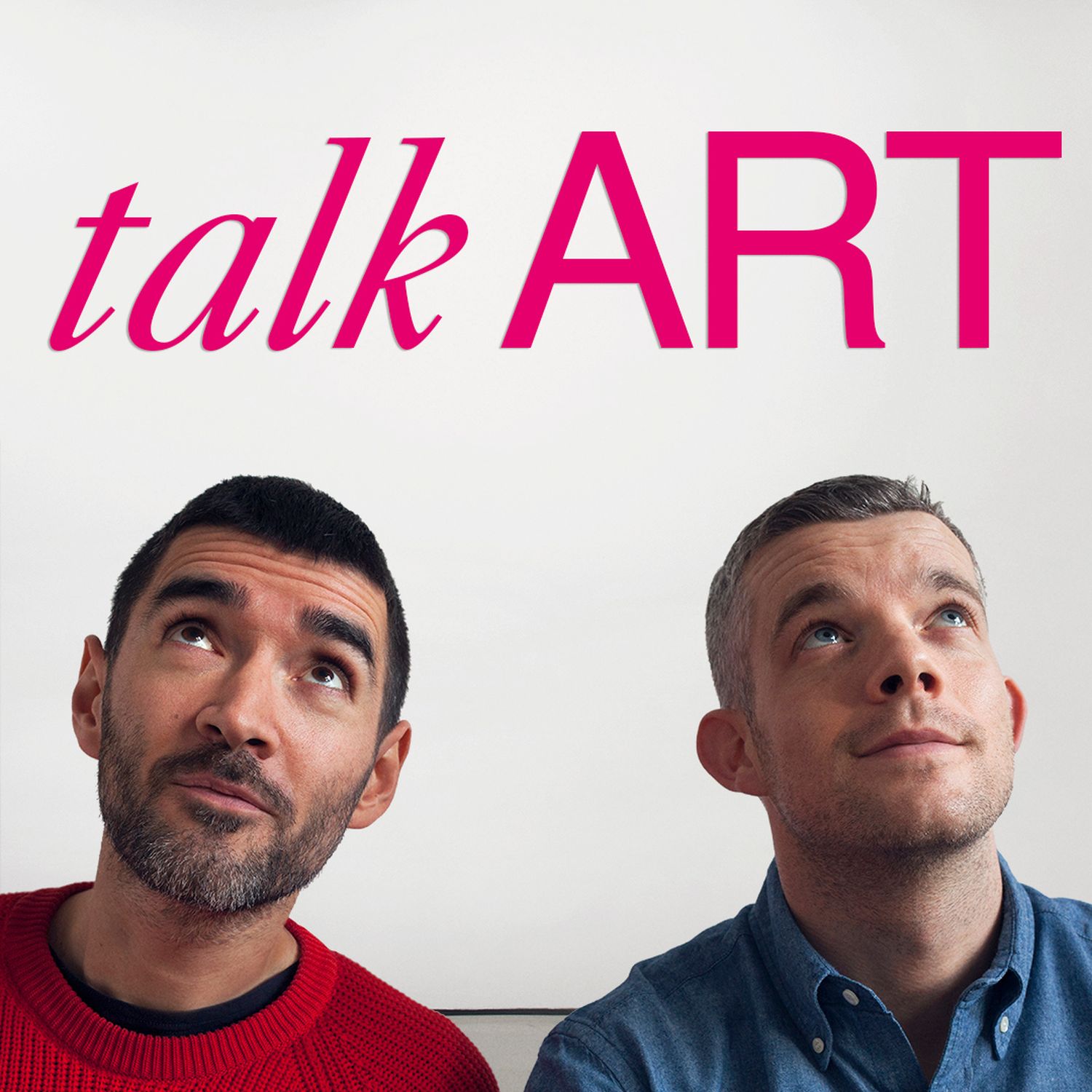
Russell Tovey and Robert Diament interview artists about their materials, biography, and process.

Cinematographer Roger Deakins and James Deakins interview film crew about the craft behind specific shots.
Robert Bound interviews artists and reviews new film, book, and music releases with critics.

Sound art from places, recordings, and memory.
The hosts of Three Point Perspective discuss their studio setups and tech stacks for illustration, prompted by a listener question about drawing screens.
Jake Parker and Anthony Wheeler discuss illustration, making a living from art, and share trivia about the film Quigley Down Under.
Jake, Lee, and Sam discuss insights from a Penguin Random House webinar about current book industry trends and author tools.
The hosts discuss a podcast that reframes creativity as finding meaning and reframing it rather than creating something from scratch.
Jake Parker and Samantha Cotterill interview Dusty from Duxomina Games about his board game business and its unique niche.
Samantha Cotterill describes a monthly creatives meetup at Arthur's in Schenectady, where a filmmaker, photographers, a printing-company owner, a magazine editor, and a knitter all talked shop.
Raissa Figueroa says her whole career came from "I painted it and posted it to Instagram."
Three Point Perspective opens with Jake Parker, Lee White, and Samantha Cotterill reacting to Katya Chen’s Caldecott Medal win for Fireworks, which was written by Matthew Burgess.
Three illustrators discuss Lee's recent art fair experience, sharing a grading system for success and key takeaways for artists considering art fairs.
Three illustrators discuss financial strategies for artists to avoid poverty and build wealth.
Three illustrators discuss the importance of mentorship in an artist's career, sharing personal stories of how mentors changed their trajectories.
Three illustrators discuss how to let go of art pieces that aren't working, despite the time and material invested.
The hosts of Three Point Perspective discuss what a starred review is, its importance in the children's book industry, and their personal experiences with them.