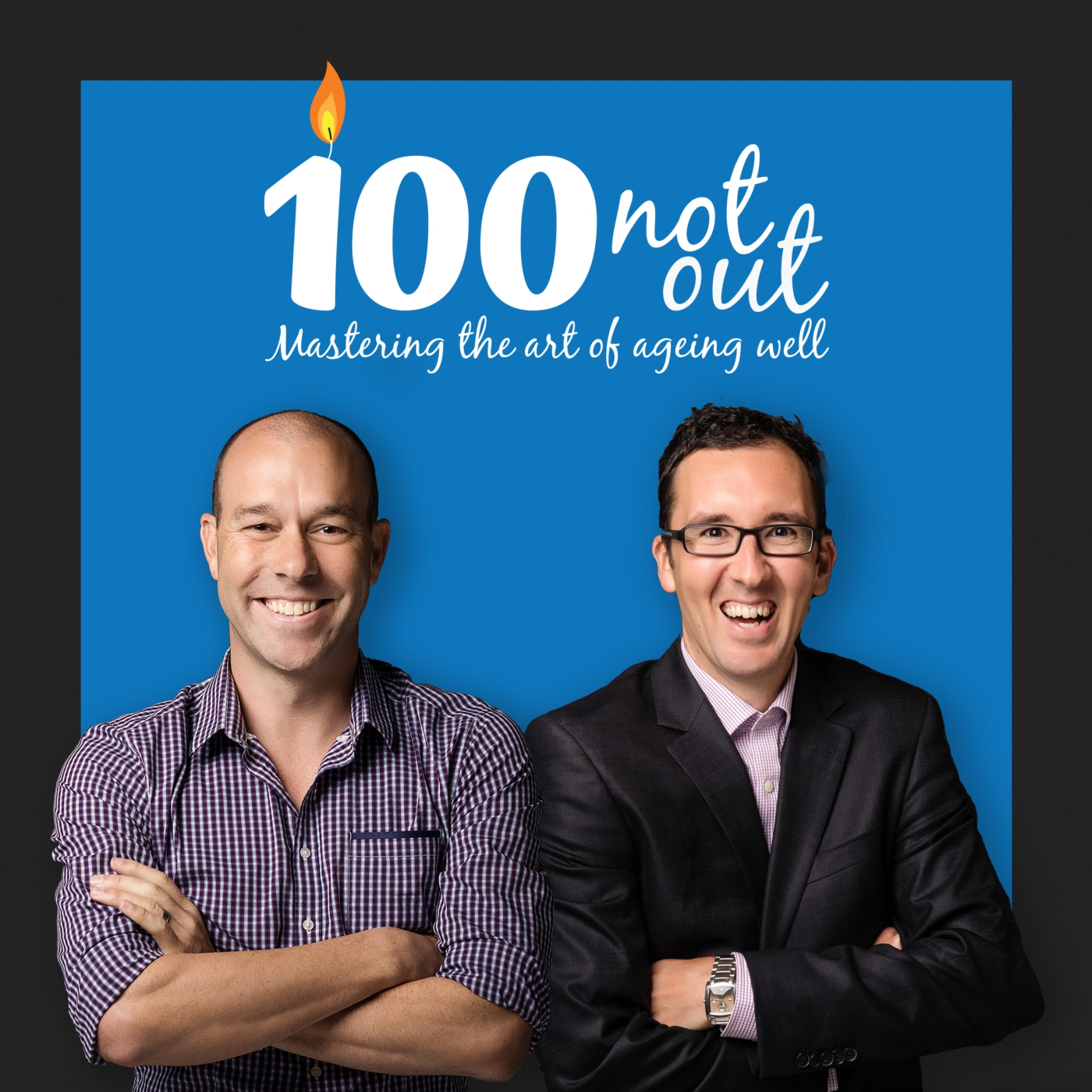
100 Not Out is a conversational longevity show with the feel of two friends still testing their own advice. Marcus Pearce and Dr. Damien Christophe talk about growing older through the messy evidence of ordinary life: workouts with a neighbour, golf, book proposals, sore muscles, health results, and the slow reworking of habits. It is casual, but not throwaway. The show often begins with banter and lands somewhere more useful, turning a missed recording, a training tweak, or a few afternoon beers into a bigger question about healthspan. Recent episodes focus on health testing anxiety, data-driven wellness, introversion and friendship shifts, calories and carbohydrates, muscle mishaps, and lessons gathered over thirteen years of recording. The stance is practical. Rather than selling a magic bullet, it keeps circling back to systems thinking, gradual change, strength, movement, social connection, and a calmer relationship with medical information. A discussion of Everlab and Dr. Nick Alexopoulos becomes less about testing as a spectacle and more about not panicking when numbers appear. A talk about diet fads becomes a look at what people can actually sustain. A conversation about injury becomes a reminder that the body needs adjustment, repair, and patience. There is plenty of joking, including mock grand titles and affectionate teasing, but the show is also willing to sit with ageing and health. Its best moments are not polished lectures. They are working conversations, where a personal anecdote gets stretched, challenged, corrected, and eventually turned into a principle. The repeated message is simple without being simplistic: keep moving, stay strong, make small improvements, and do not outsource ageing to luck or panic. The show also has unusually deep continuity, with hundreds of episodes behind it and recent anniversary episodes reflecting on how wellness language has shifted toward longevity. That long memory gives it a different texture from trend-led health podcasts. It sounds less like a launchpad for the latest framework and more like a durable weekly check-in. The result is warm, matey, and health-focused, with enough looseness to feel human and enough conviction to be useful. It suits people who want to age with more strength and agency, but who prefer their advice grounded in daily routines rather than sleek performance culture.