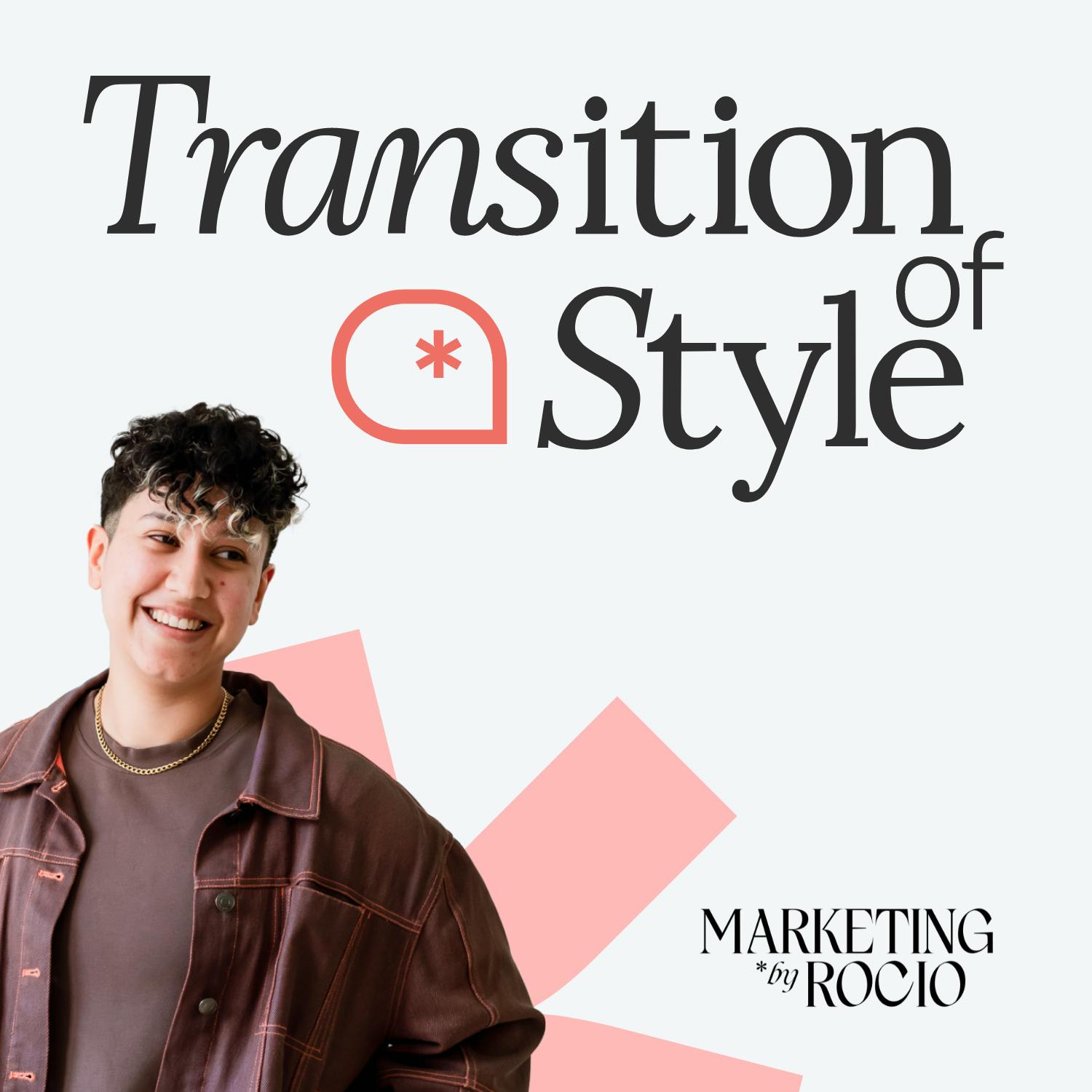
Transition of Style · Rocio Sanchez

Teresa Morcho from The Stud Model Project

·26 min·2 clips
Teresa reveals why Black studs face unique challenges in expressing softness within the fashion industry.
This episode features host Rocio Sanchez interviewing Teresa Morcho, founder of the Stud Model Project. Morcho is a Black, queer entrepreneur creating a modeling and development agency for masculine-presenting people assigned female at birth. She discusses her personal journey from growing up in West Africa to founding an initiative that addresses industry underrepresentation. Morcho moved from Cameroon to the United States at age eleven and began understanding her sexuality around ninth grade. She came out to friends at fourteen and wore a tuxedo to her prom, exploring her masculine and feminine energy. The Stud Model Project focuses on Black, masculine-presenting individuals who she feels are either underrepresented or stereotyped in fashion. The agency operates as a development entity, providing portfolio shoots, runway coaching, and styling guidance tailored to androgynous presentation. Morcho notes that mainstream modeling programs often teach walks deemed either "masculine" or "feminine," which doesn't suit her models' needs. A key insight is Morcho's analysis of how Blackness is inherently perceived as masculine in society, which affects how Black studs are allowed to express softness. She argues that non-Black masculine-presenting individuals often receive more grace for androgyny. Her agency actively creates space for models to explore softness and diverse aesthetics beyond hip-hop or "thug life" stereotypes. Morcho describes her company's philosophy with a quote: "Art is supposed to disturb the comfortable and comfort the disturbed." A significant personal challenge she shares is being taken seriously as an entrepreneur without a college degree, despite being a subject-matter expert in a niche with no existing blueprint. Morcho observes current fashion trends where studs are embracing loose-fitting clothes, crop tops, and ditching restrictive bras, celebrating their feminine bodies instead of hiding them. She shouts out stylist Kay from Fazoo Brand for her innovative work. The host's case study analysis highlights how the Stud Model Project's website features model personalities over measurements and requires direct contact for details, emphasizing human connection over commodification. The tone is conversational, educational, and deeply personal, blending interview dialogue with the host's analytical marketing segment. The style is affirming and community-focused, centering the experiences of Black queer individuals. This episode would resonate with LGBTQ+ listeners interested in fashion, entrepreneurship, and the intersection of Black and queer identity. It would also appeal to anyone studying niche market creation or representation in media. Listeners seeking strictly apolitical fashion commentary or those uncomfortable with discussions of race and gender might find it less aligned with their interests.

As heard by us

A focused look at fashion, identity, and access through Stud Model Project.

Transition of Style treats fashion as more than image. It follows Teresa Marcho as she talks about founding Stud Model Project to give studs resources, training, and visibility.

Read the full review in PlayNext →

Why you'd press play

For when queer fashion needs a founder story, a mission, and a little disruption.

Read the full recommendation in PlayNext →
Listen to the show on