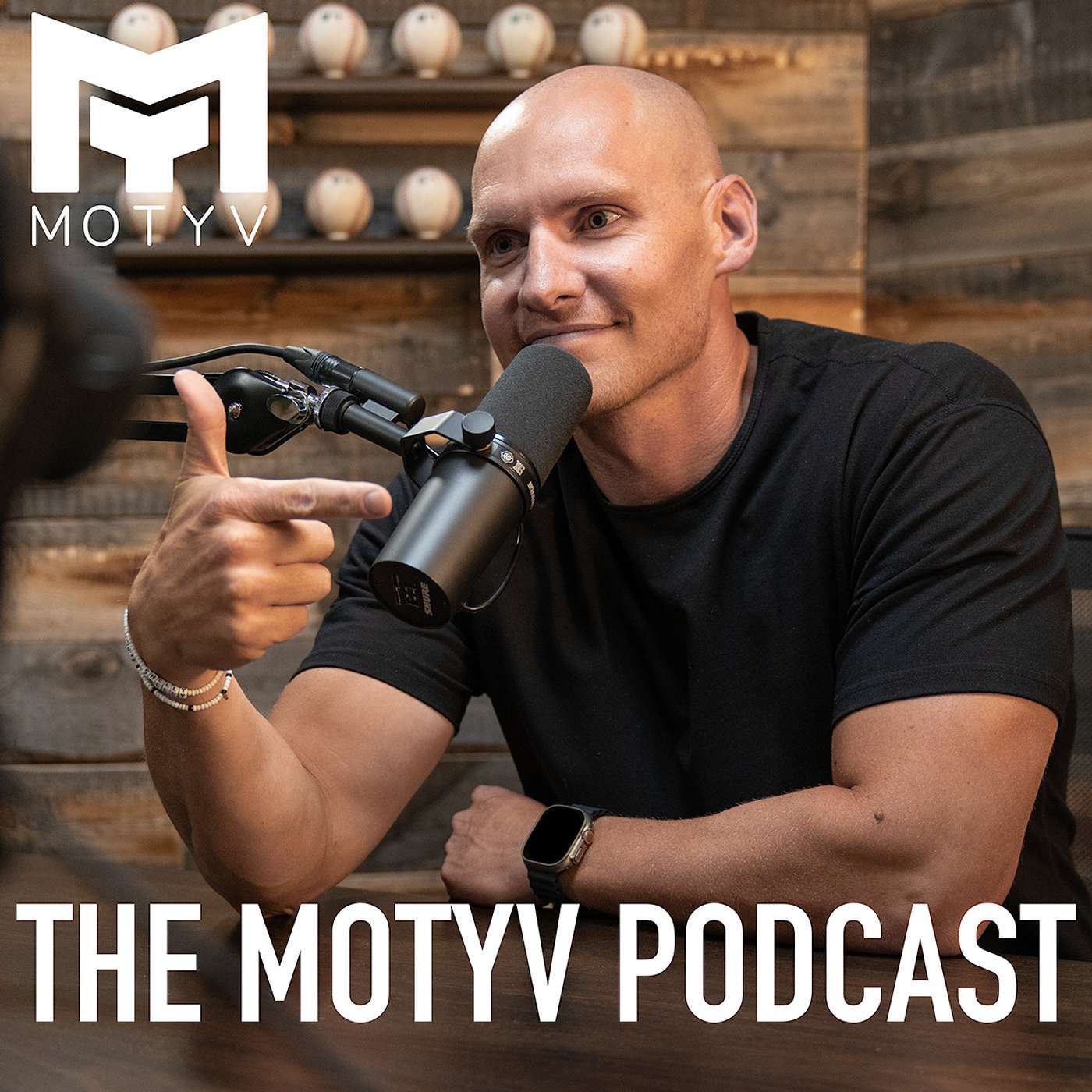
The Motyv Podcast · Shayden J. Bertagnolli MS LMFT Men's Mental Health Expert

The Motyv Podcast Episode 17 | Trusting God's Timing for Healing

·28 min
This solo episode of The Motyv Podcast features host Shaden, a therapist specializing in men's mental health, sharing personal reflections on spiritual healing. He explores the tension between faith and doubt when confronting deep emotional wounds. Shaden recounts a pivotal session with his men's group, analyzing the biblical story from Mark 9 where a father asks Jesus to heal his demon-possessed son. He frames the father's plea, "I believe; help my unbelief," as a model for approaching personal trauma and addiction. Shaden reveals his own interpretation of the story, visualizing himself as the adult holding his wounded younger self. He challenges the common therapeutic pursuit of identifying every past wound, arguing it can be counterproductive. A key insight is that many clients confuse their relationship with organized religion, or "church," with a personal relationship with Christ, which he identifies as the true source of healing. Shaden posits that genuine healing often requires a metaphorical "death" or period of deep despair, which must be trusted as part of a divine process. He shares a personal story about serving a religious mission at 18, hoping to earn the faith to physically heal his father, a hope that was not realized. The episode introduces the idea that the opposite of anxiety is not calm, but trust. Shaden advises men to actively "feast on light" daily, comparing spiritual nourishment to physical eating, and states, "children wait to be fed; men feed themselves." He encourages a thought experiment: asking what one would do differently if a desired miracle, like freedom from pornography or a healed marriage, had already occurred. Shaden references a concept from a client about heaven being a present reality to be built from the "inside out," citing a paraphrase of C.S. Lewis. He suggests that modern mental distress may stem from living at a pace incongruent with the soul's need for connection and slowness. The host admits to his own resistance in recording these solo episodes and feeling called to share despite it. The tone is intimate, pastoral, and confessional, blending therapeutic concepts with evangelical Christian theology. It is highly conversational, as Shaden speaks extemporaneously from his weekly notes. Listeners interested in the intersection of faith, psychology, and men's work will find this episode deeply resonant. Those uncomfortable with explicitly Christian doctrine or seeking structured, clinical advice may prefer to skip it.
Listen to the show on