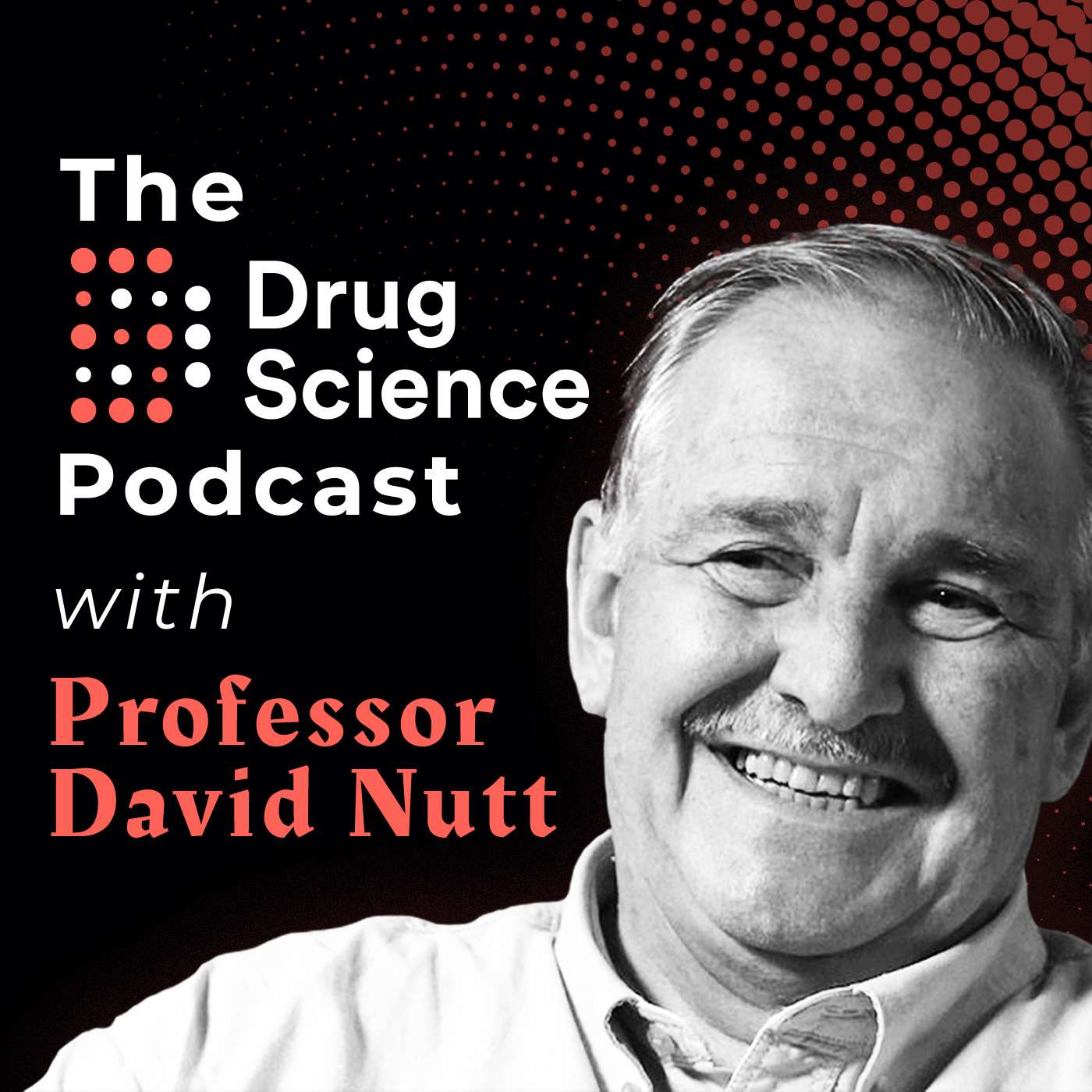
The Drug Science Podcast · Drug Science

133. Psychedelic Ethics with Dr Edward Jacobs and Sam Bloomfield

·53 min·3 clips
Eddie Jacobs says 15% to 30% of psychedelic trial participants may seek psilocybin again after a study.
1. The Drug Science Podcast episode centers on psychedelic ethics, access, and regulation around psilocybin and retreat-based care. 2. David Nutt hosts Sam Bloomfield, a psychotherapist and director of SciEDU, and Dr Eddie Jacobs, who says he completed the first PhD on the ethics of psychedelics. 3. The episode asks how psychedelic therapy, research, and non-medical use can be handled fairly when UK law and health systems lag behind demand. 4. Bloomfield says SciEDU educates health professionals in psychedelic practice, harm reduction, and how to support clients who access psychedelics legally or illegally. 5. He says SciEDU runs a one-year certificate program with 250 hours of content and 80-plus hours of live teaching over a year. 6. Bloomfield says the program is heading into its third cohort and works with Duncan Still as academic director. 7. He also describes retreat facilitation in the Netherlands using legal truffles and a six-day model with orientation, preparation, and integration. 8. Bloomfield says the Dutch setup uses facilitators rather than therapists and that truffles are regulated to food standards. 9. Jacobs says his ethics work grew out of experience at the Beckley Foundation and a 2018 paper by Teri Narani on Hopkins tobacco addiction trial participants. 10. He says he became interested because participants often valued reconnection with family, nature, and values more than smoking cessation itself. 11. Jacobs says 15% to 30% of psychedelic trial participants may later seek psilocybin on their own. 12. He argues that an IRB would need to think hard about a trial that predictably sends some participants toward risky or illegal access. 13. Nutt says psychedelic trials are a hybrid of drug trials and psychotherapy trials, which makes the ethical questions different from those for chemotherapy or gene therapy. 14. The conversation returns to fairness for lower socioeconomic groups who may not be able to afford retreats that cost around 1,000 to 3,000 pounds. 15. Nutt points to a 2020 YouGov poll and says British public opinion on psilocybin therapy was comfortably above 50% across demographics. 16. Bloomfield says ethics in this area often becomes politics, and he links legal drug harms to criminal markets, child exploitation, and county lines. 17. Jacobs says psychedelic use is not only medical and should also be discussed in relation to spirituality, self-development, indigenous ritual, and recreation. 18. Nutt raises concern that a few cases of psychosis or disturbed behavior could be magnified by the press, and Bloomfield says retreat organizations need strong codes of conduct, supervision, and education. 19. The tone is conversational, technical, and policy-focused, with Nutt pushing both guests for practical answers rather than abstract theory. 20. Listeners interested in drug policy, psychotherapy, and psychedelic regulation will get the most from it, while people wanting a light or entertainment-first episode may skip it.

As heard by us

A conversation about psychedelic therapy, ethics, public opinion, and why policy still lags behind support.

The episode follows David Nutt, Sam Bloomfield, and Eddie Jacobs as they talk through psychedelic therapy, ethics, public opinion, and drug policy. It moves between the evidence and the politics without pretending those are separate worlds.

Read the full review in PlayNext →

Why you'd press play

For when you want psychedelic policy argued from ethics, not slogans.

Read the full recommendation in PlayNext →
Listen to the show on