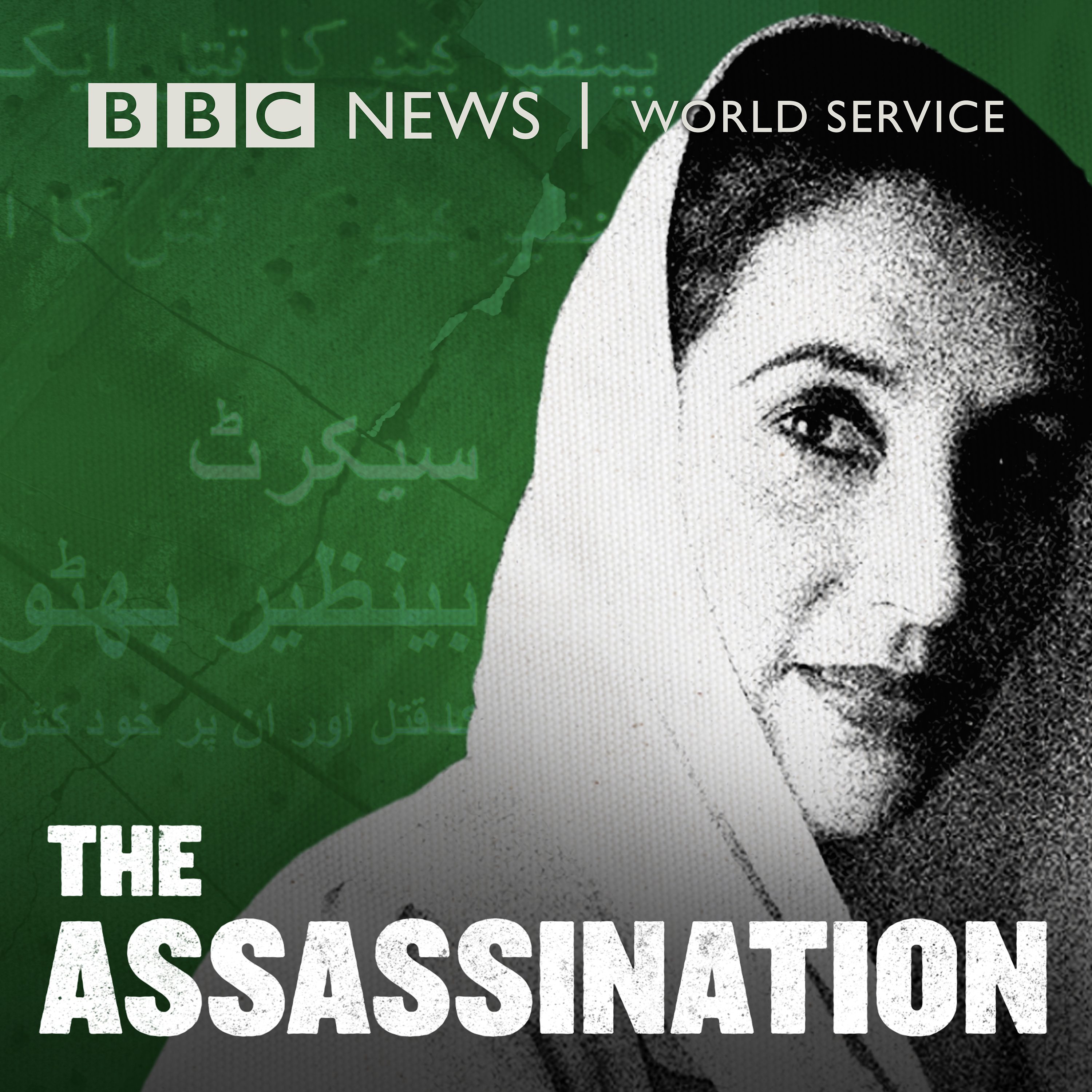
The Assassination · BBC World Service

Episode 10: Dead Ends

February 28, 2018·40 min·3 clips
The American ambassador cabled that Pakistan's government was in 'protracted confusion' about investigating Benazir Bhutto's assassination.
Diplomats do not always soften the message. Five days after Benazir Bhutto's death, the American ambassador to Pakistan told Washington the government seemed trapped in confusion. The host is not buying that as the whole story. He treats the cable as useful, but built on a shaky assumption: that the state wanted the investigation to succeed. Low-level suspects were arrested, then their cases dragged on. The chief prosecutor, Mohamed Azhar Chowdhury, described repeated judge transfers and defence lawyers who failed to appear. Six judges had been transferred. Asked whether that meant no one wanted the case, Chowdhury would not say, citing the law. The silence lands harder than an answer. Delay starts to feel like evidence. Then the file moves upward. At 3.20 in the afternoon, federal police officers arrived at Pervez Musharraf's villa in Chakshazad to question a former army chief, military ruler, and president. The host has the police case diary. Its notes say investigators told Musharraf they believed he was involved in the conspiracy. They describe him withholding cooperation, shifting blame to other state functionaries, giving vague answers, and answering tactically because he knew government machinery well. Four months later, prosecutors charged him. Speaking from Dubai, Musharraf denies murder, criminal conspiracy for murder, and facilitation for murder, saying he laughs at the case. The episode then returns to the phone call Benazir received on Capitol Hill, after which Mark Siegel saw her pale, perspiring, and emotionally upset. It ends without tidying the story up.

As heard by us

A grim investigation into how delay, power, and denial can bury the truth.

Benazir Bhutto's assassination is treated less as a headline than as a study in how an investigation can go wrong. The episode pulls from diplomatic cables, prosecutor testimony, a police case diary, and witness accounts to show a state that looks confused and slow to act.

Read the full review in PlayNext →

Why you'd press play

For when you want a case file that keeps hitting walls.

Read the full recommendation in PlayNext →
Listen to the show on