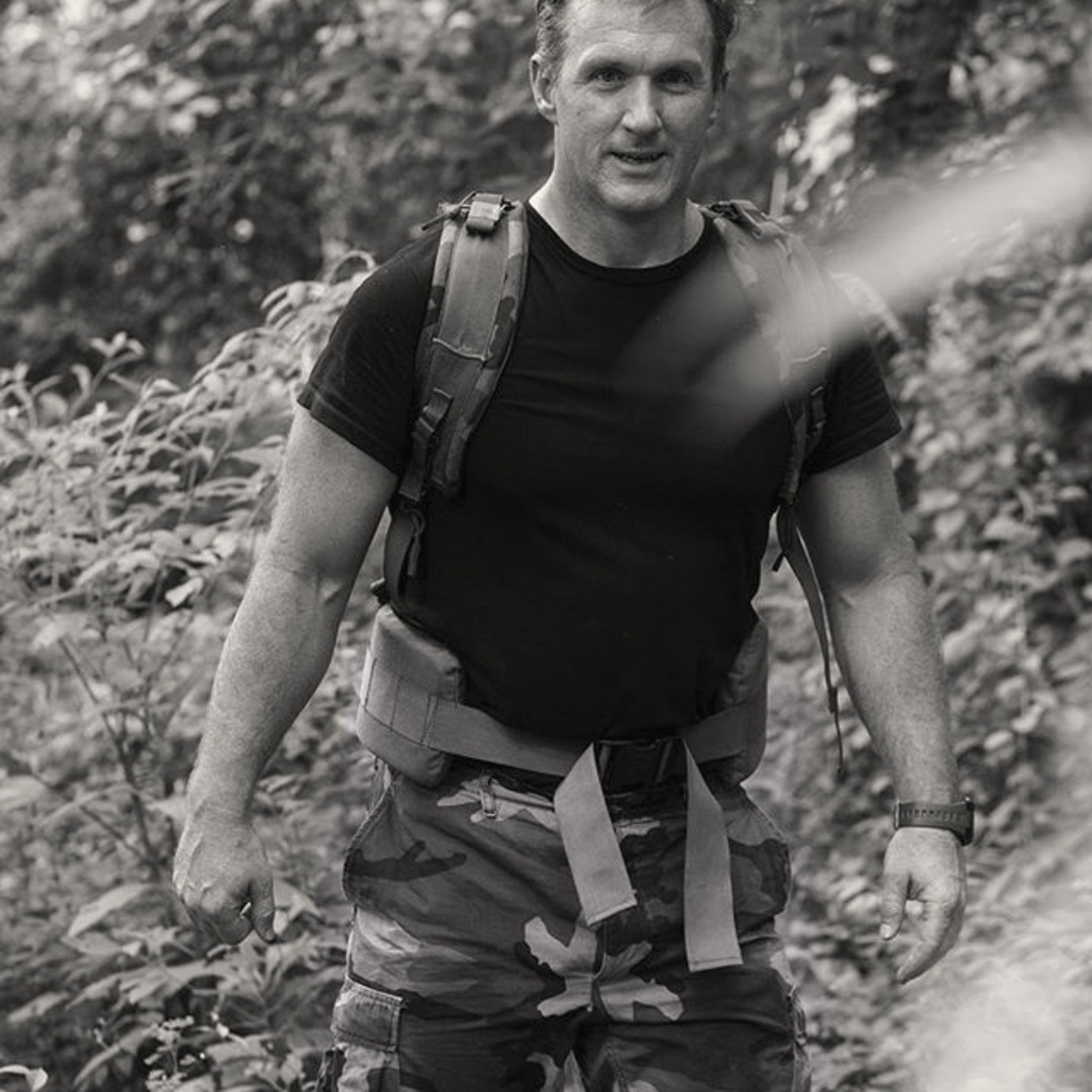
Tactical Fitness Report with Stew Smith Podcast · Stew Smith

The Perfect Workout, Day, and Week Even During Daylight Saving Time (Spring Forward)

·32 min·1 clip
The PT pyramid means 100 pull-ups, 200 push-ups, 300 sit-ups, and 4.75 miles.
1. Tactical Fitness Report with Stew Smith Podcast centers on the 'perfect workout' and the 'perfect week' during spring daylight-saving time. 2. Stu Smith leads the episode, and his role matters because he is the coach giving workout structure, running advice, and applicant guidance. 3. The episode asks how to handle a 1-hour clock change, a deload week, and a hard training schedule without losing momentum. 4. Stu Smith says he bumped the workout start from 6:00 a.m. to 6:30 a.m. so the session would feel less like 5:00 a.m. or 4:00 a.m. 5. He says spring daylight-saving time has left him burned out by Friday in past years and lowered performance late in the week. 6. He describes week 12 of the winter lift cycle as a deload week in a block periodization model. 7. He says week 13 comes next and includes testing all lifts after recovery from the deload. 8. He identifies the workout as the PT pyramid, which he also calls 'O-reliable.' 9. He says the session used pull-ups, push-ups, sit-ups, and 400-meter runs, with squats and dips mentioned as possible variations. 10. He totals the classic version at 100 pull-ups, 200 push-ups, 300 sit-ups, and 4.75 miles of running. 11. He says the pyramid can feel like a running workout with PT rest or a PT workout with running rest, depending on the athlete. 12. He notes that cross-country runners can struggle on pull-ups and push-ups, while strong athletes can struggle on the 19 400-meter runs. 13. He says the pyramid creates a warm-up, a max-out, and a cool-down inside one session. 14. He says the workout has existed since the 1980s and has evolved with more exercises and more running. 15. He answers a listener who runs threshold on Monday, bike intervals on Tuesday, zone two on Wednesday, and six to eight 400s on Friday by saying not to change a plan that is already working. 16. He says if the plan gets easy, add speed, add distance, or add zone-two time instead of making a big overhaul. 17. His delivery is conversational and live-Q&A based, with quick pivots from the workout explanation to listener questions. 18. The tone stays practical and coach-like, with specific examples such as 30-minute schedule shifts, 150 pull-ups, and 7 pounds lost in two weeks. 19. Athletes who like structured PT, running, and military prep. 20. People wanting entertainment without training specifics.
Listen to the show on