35 people die yearly in Central Florida from exposure, yet Matthew's Hope isn't funded to be a shelter.
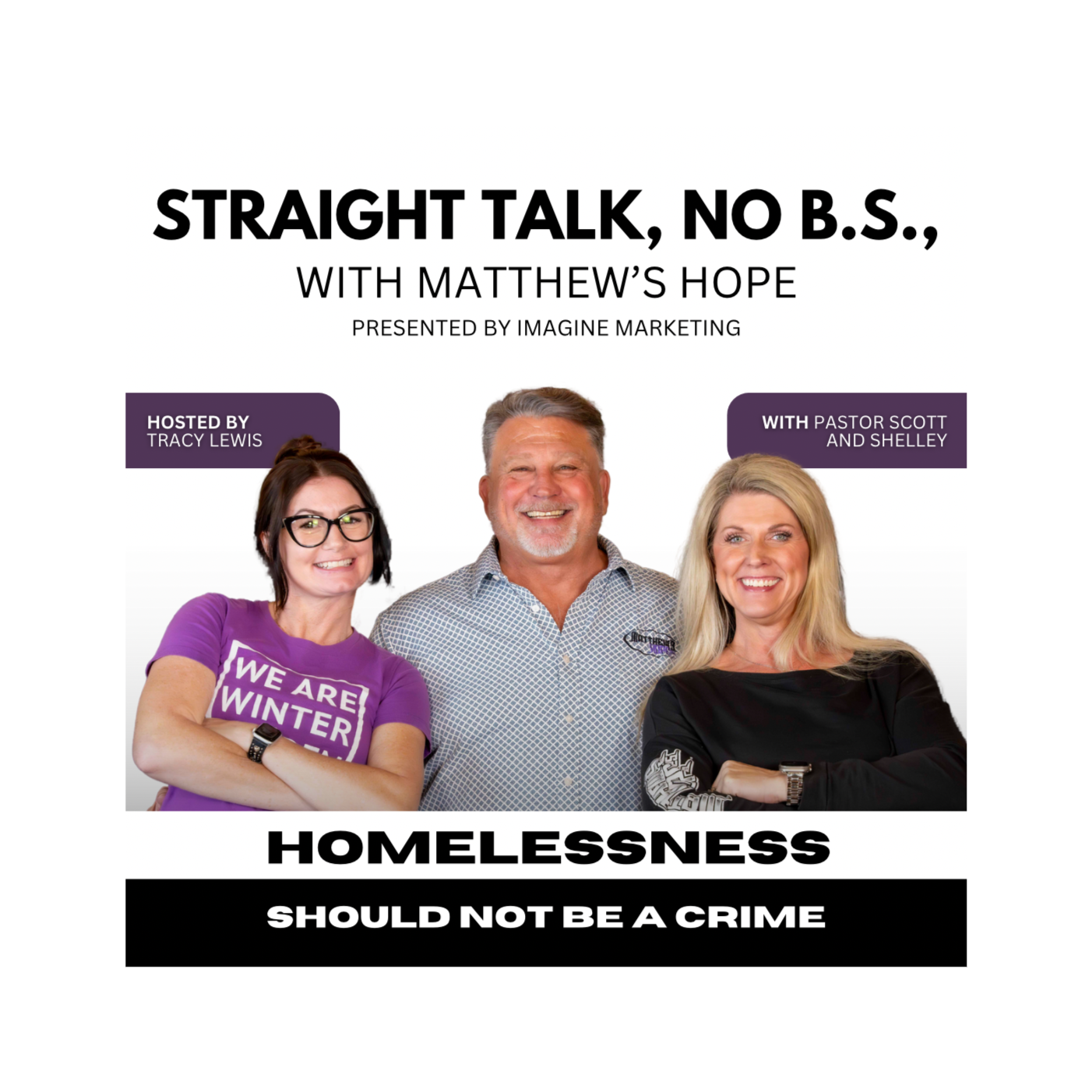
This episode details how Matthew's Hope, a nonprofit not designed as a shelter, provided emergency cold-weather housing during a Florida winter freeze. Guest host Mindy Hungerford interviews Pastor Scott Billue, founder of Matthew's Hope, and Shelly Bradford, its president. They explain the urgent decision to open their facilities when no other shelters were funded or available. Pastor Scott called Orlando officials who confirmed no shelters were open due to a lack of funding and proper setup. Matthew's Hope then appealed to local churches for space, with several offering their buildings under specific conditions. The organization provided transportation, ensuring guests were dropped off and picked up discreetly each morning. At its peak, the emergency operation housed 124 people across their campus, including in the garden, food pantry, and offices. They ran out of chairs, forcing some to sleep on the floor while the group also managed its regular outreach services. The effort required providing three meals a day, laundry, and showers to all guests. Pastor Scott notes this rapid response depleted financial resources equivalent to a normal month's expenses in just a few days. He clarifies that while churches helped, the response was not a widespread, enthusiastic rush from the religious community. A memorable moment involves Pastor Scott mimicking cricket sounds to describe the silence from some who talk about preaching the gospel but don't act. He argues the core directive is simply to love God and love people, then "shut up" and serve. The scale of the need, with over 120 people seeking refuge, starkly illustrated the gap in official services for the unhoused during cold snaps. The episode reveals that approximately 35 people die annually in Central Florida from exposure, providing context for the crisis. The logistical strain of converting a non-shelter into a 24/7 operation while maintaining other programs is a key insight. Pastor Scott's blunt critique of inaction contrasts with the collaborative effort that ultimately materialized. The tone is direct, conversational, and grounded in firsthand experience, reflecting the show's "straight talk" title. The style blends narrative storytelling with a practical, problem-solving focus on community response. Listeners interested in grassroots humanitarian efforts, faith-based activism, and local solutions to homelessness will find this episode compelling. Those seeking a polished, broad policy discussion on homelessness might find its specific, operational focus too narrow.
Listen to the show on