Sentido Común · El Conquistador FM

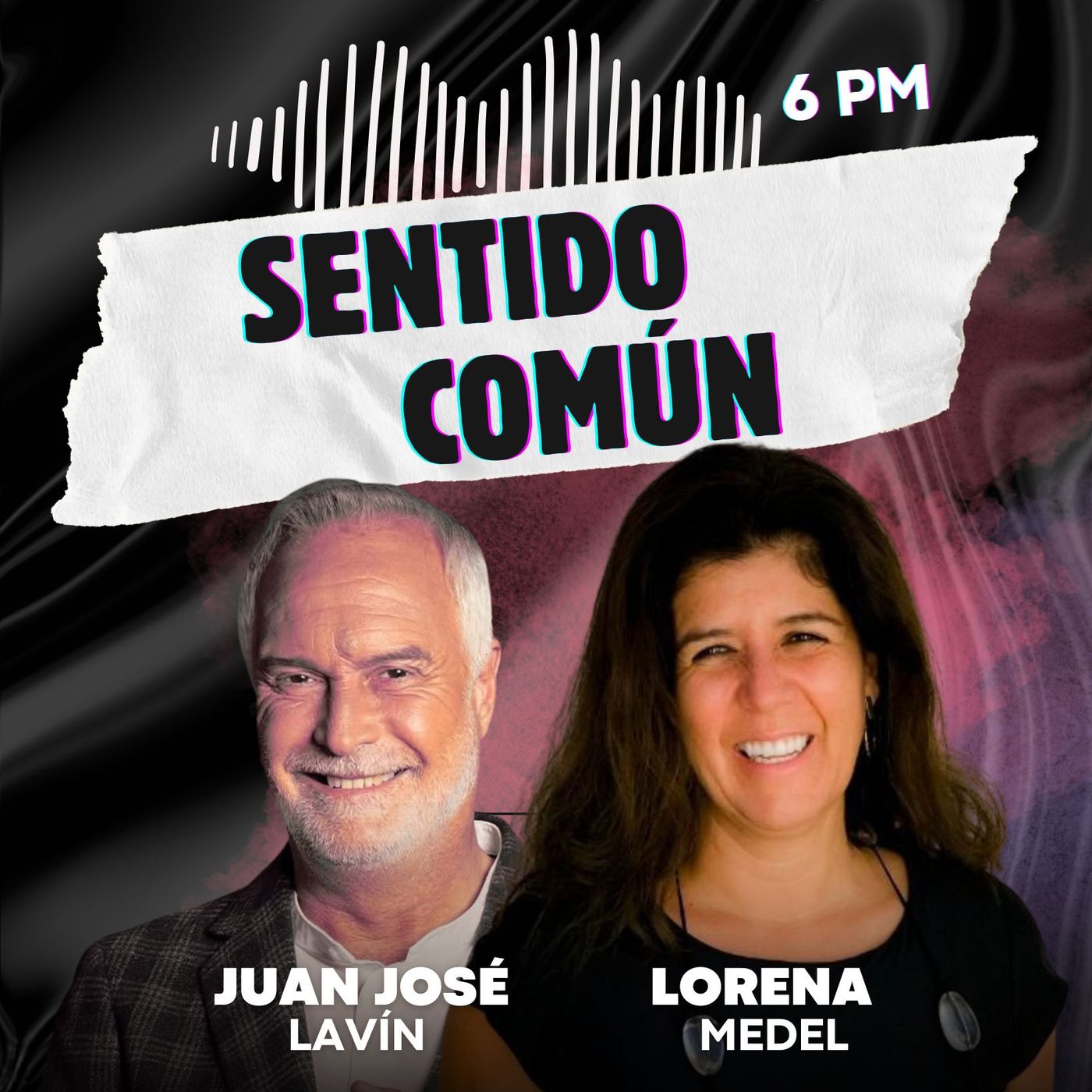
Sentido Común | Juan Jose Lavín y Lorena Medel | 09-04-2026

·43 min·3 clips
The rector of Universidad Austral allegedly let students trap the Science Minister in a room for over two hours.
1. Sentido Común hosts Juan Jose Lavín and Lorena Medel discuss Chilean domestic scandals and international affairs in this April 9, 2026 broadcast. 2. Juan Jose Lavín serves as the primary political and economics analyst; Lorena Medel co-hosts and poses questions throughout. 3. The episode's running theme is the relationship between institutional permissiveness, impunity, and the escalation of misconduct—from student violence to congressional fraud. 4. The episode opens with meteorology: a Niño Godzilla event is accelerating Pacific warming off Chile's coast and could bring 700-800mm of winter rain to Santiago, versus the historical average of around 200mm; Juan Jose also cites a folk indicator—ant swarms at Santa Cruz—as confirming a rainy season ahead. 5. The central story is the encierro of Minister of Science Aisén Ñancupil at Universidad Austral in Valdivia during the academic-year inauguration, where students held her for two and a half hours. 6. Juan Jose lays out the 10-day premeditation: the protest was organized on social networks after the invitation became public, and the rector Egon Montesinos necessarily knew, despite later denying it. 7. The rector's account—that he and the minister agreed not to call carabineros—directly contradicts the minister's own statement that nobody consulted her about police access. 8. A leaked semiprivate podcast video shows Montesinos praising the Frente Amplio as people with genuine democratic vocation and mocking the Republican Party, revealing the ideological alignment the hosts argue created the conditions for the encierro. 9. 2013 tweets by Montesinos calling for an extra year of study for carabineros using explicit language are cited, with the hosts arguing his rhetoric and the students' violence are ideologically continuous. 10. Minister Ñancupil's biography is laid out: Mapuche parentage on both sides, raised in precarity with discrimination in Chile, left to work as a nanny in the United States ironing shirts, built a career, completed a doctorate, and chose to return to Chile rather than stay in the US. 11. Juan Jose notes that President Cass met Ñancupil at a Congreso del Futuro conference where she presented, and that decision to appoint her minister was made there. 12. He asks where feminist and indigenous-rights advocates are, noting they mobilize only when a Mapuche or feminist is politically left-aligned; Ñancupil has received no defense from those circles. 13. The fraud complaint against senator Flores is described as anonymous but highly specific, with chats and descriptions of the triangulation mechanism: congressional staff receive inflated salaries and return cash to the parliamentarian. 14. The complaint was referred to the State Defense Council, which the hosts interpret as prosecutors finding serious foundation in the evidence. 15. The secretary witness's salary grew from 580,000 pesos in 2018 to 3 million pesos in 2025 with no change of position, a fivefold increase the hosts describe as inexplicable absent the triangulation mechanism. 16. A congressional advisor listed on the payroll was operating a restaurant in Limache and never appeared at Congress, yet received 2.6 million pesos, described in the complaint. 17. The hosts observe that ARN party president Andrea Valladares froze senator Flores' party membership pending the investigation, and that the Procultura case's lack of convictions illustrates why impunity emboldens fraud. 18. The foreign affairs segment cites Fukuyama stating the US under Trump has never generated more global distrust, with Europe and even Italian right-wing sectors distancing from Washington; Juan Jose pushes back by defending anti-Iran belligerence on moral grounds. 19. The episode closes with a historical note: on April 9, 1867, Russia officially ceded Alaska to the United States for $7.2 million, and the hosts note Alaska's enormous resource potential that was not initially understood. 20. Listeners who follow Chilean political scandals, congressional corruption, and geopolitical commentary in a conversational format will find the episode substantive; those outside Chile or without background in Chilean institutions will find most references require prior knowledge.
Listen to the show on