Sentido Común · El Conquistador FM

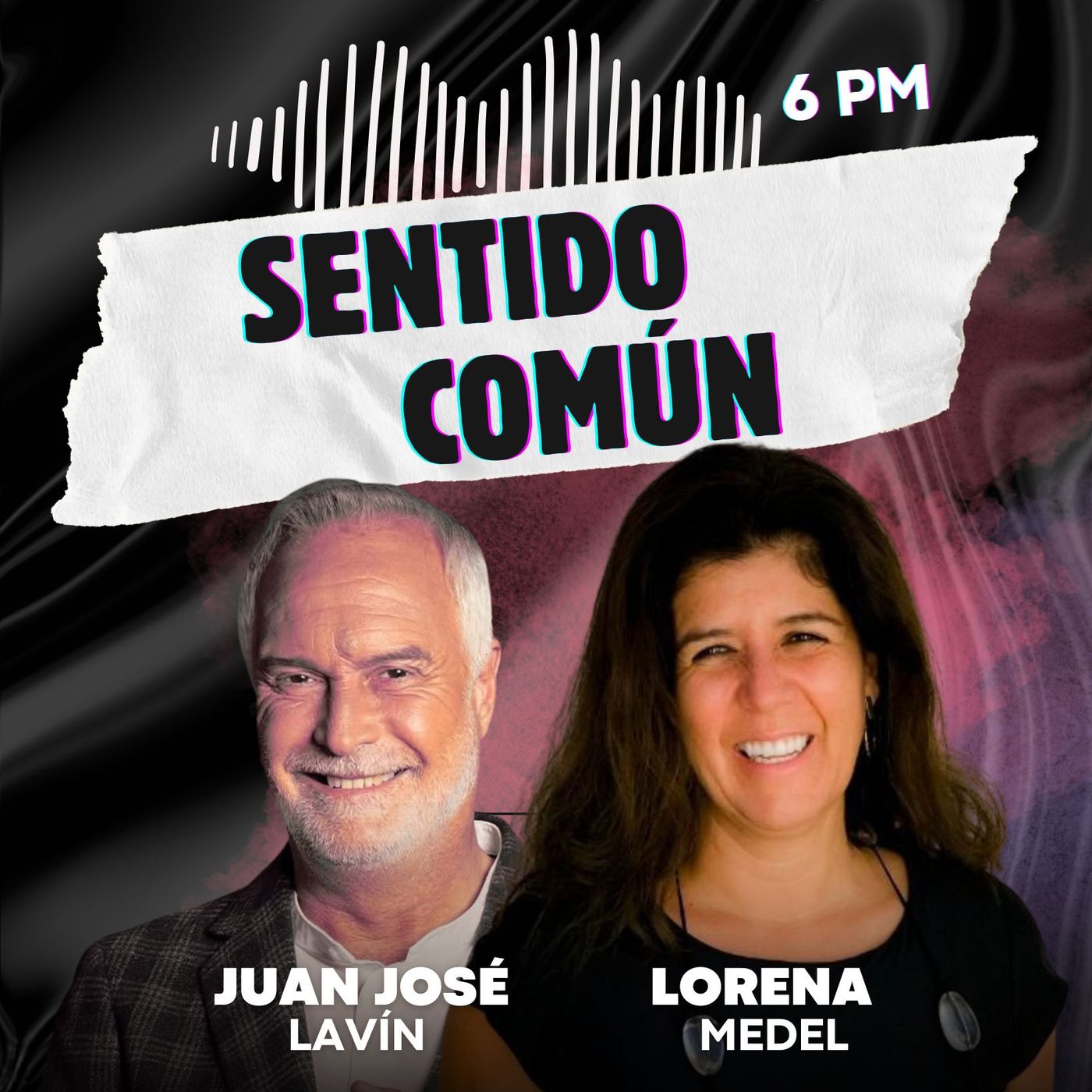
Sentido Común | Juan Jose Lavín y Lorena Medel | 09-04-2026

·43 min·3 clips
The rector of Universidad Austral faces scrutiny after protesters trap Chile's Minister of Science during an academic inauguration.
1. Sentido Común hosts Juan Jose Lavín and Lorena Medel cover Chilean domestic politics and foreign affairs in this April 9, 2026 broadcast. 2. Juan Jose Lavín appears as the primary political analyst, with Lorena Medel as co-host, both offering commentary and questions throughout the discussion. 3. The episode's central thesis is that a pattern of institutional permissiveness toward left-wing violence—from university rectors to congressional corruption—is undermining Chilean democracy. 4. The hosts begin with meteorology, noting a Niño Godzilla event could bring 700-800mm of winter rain to Santiago, versus the historical average of around 200mm, based on charts of previous strong El Niño years. 5. The main story is the encierro of Minister of Science Aisén Ñancupil at Universidad Austral in Valdivia, where students locked her in a room for two and a half hours during the academic-year inauguration ceremony on April 9. 6. Rector Egon Montesinos denied requesting carabinero presence, but the minister stated no one had consulted her about police access, creating directly conflicting public accounts. 7. The hosts identify that the protest had been organized for at least ten days after the invitation became public on social networks, and argue that Montesinos necessarily knew. 8. A leaked semiprivate podcast video shows Montesinos praising the Frente Amplio as people with 'genuine democratic vocation' and mocking the Republican Party, leading the hosts to call for his removal. 9. 2013 tweets by Montesinos, calling for an extra year of study for carabineros and using explicit language, are cited as evidence of ideological continuity with the students who carried out the encierro. 10. Minister Ñancupil's background is described: she came from a Mapuche family on both sides, worked as a nanny in the United States while studying, completed a doctorate, and chose to return to Chile rather than remain in the US. 11. The hosts note that feminist and indigenous-rights activists have been silent about the attack on a Mapuche woman minister, attributing the silence to her political alignment with the right. 12. A second major topic is an anonymous complaint filed with prosecutors against senator Flores—former two-term deputy who assumed a Senate seat on March 11—alleging 300 million pesos in public funds diverted over seven years through salary triangulation. 13. The alleged mechanism is described: congressional staff receive inflated salaries, then return the overpayment in cash to the parliamentarian, while at least one advisor listed as working in Congress was actually running a restaurant in Limache and never appeared at the legislature. 14. A key witness is identified as the senator's secretary, whose monthly salary grew from 580,000 pesos in 2018 to 3 million pesos in the most recent payroll with no change in job title or functions—a roughly fivefold increase. 15. The ARN party president Andrea Valladares froze Flores' party membership pending the investigation, stating she would not vouch for anyone but also would not pre-judge guilt. 16. The hosts express concern that the Procultura case ended without convictions and that impunity emboldens congressional fraud, with Bironik and Raín both claiming vindication because no sentence was handed down. 17. Congressional staff salaries—some reaching 8-15 million pesos per month—are cited as a structural problem, with the hosts arguing certain positions pay more than the president of the republic. 18. Tone is conversational and at times heated, with both hosts interrupting each other; Lavín is more polemical while Medel asks clarifying questions and occasionally introduces counterpoints. 19. Listeners who follow Chilean political scandals, congressional accountability debates, or regional geopolitics will find detailed discussion of specific cases and figures. 20. Listeners seeking balanced coverage or those outside Chile without background on Chilean institutions may find the episode difficult to follow without prior context.
Listen to the show on