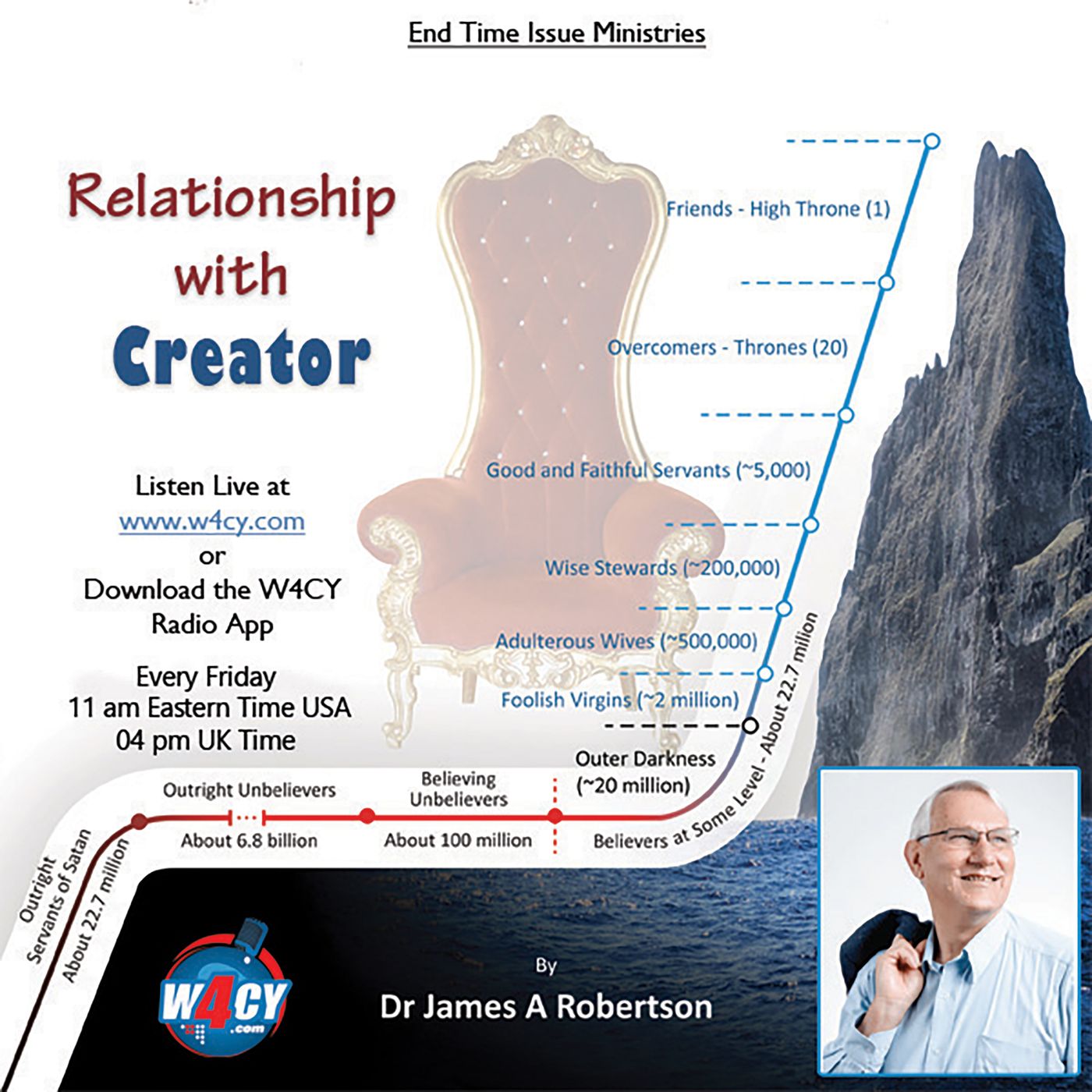
Relationship with Creator · Talk 4 Podcasting

The Essence of My Message to Muslims – Part 4

·49 min·3 clips
Yahushua’s death is presented as atonement, and repentance is framed as the way out of sin.
He argues that true believers are filled, at some level, with the Spirit of the Almighty. That claim becomes the backbone of the monologue, because he says people who have not lived that reality often do not understand him or the scriptures he is using. He describes anointed people as living differently. For him, that difference is not just a mood or a metaphor; it is a different mode of life that sets people apart and changes how they move through the world. He warns against giving Jesus credit for the work of the Almighty. In his telling, that confusion is not a minor slip but a grave doctrinal error that distorts worship and misdirects gratitude. The address widens to Muslims. He says he is speaking from a Bible-based, Christian-based viewpoint because that is the way he grew up and knows best. He also says he has not studied the Quran deeply. His own account is limited to one reading and some recent videos, yet he insists the basic spiritual pattern still matters. The discussion then turns to scripture as proof. Psalm 51:13 is used as a plea not to lose the set-apart Spirit, and Isaiah 11:2 is used to show wisdom and understanding resting on a person. He says the same kind of filling can be found among charismatic Christians, and even among some Jews and some Muslims. That does not soften his position. It sharpens it. He says he has walked with anointing for 33 years at different levels. That experience, he claims, is why he understands Yah reasonably well in a way other people often do not. The program keeps returning to directness over ornament. It points toward a page called "Anointed Life" as part of the larger framework. By the end, the message is severe and simple: spiritual life without discernment quickly gets blurred by confusion.

As heard by us

A stern, scripture-heavy defense of spiritual discernment.

The segment builds a stern case around anointing, spiritual authority, and the risk of misreading the work of the Almighty. It speaks from a Bible-based Christian point of view, addresses Muslims directly, and leans on Psalms 51:13 and Isaiah 11:2 to argue that true spiritual…

Read the full review in PlayNext →

Why you'd press play

You want a Bible-first monologue about anointing, the Spirit, and how spiritual authority gets named.

Read the full recommendation in PlayNext →
Listen to the show on