Fast and Female clinics combine two swim sessions, Pilates, nutrition, and menstrual-cycle education.
1. Propulsion Swimming Podcast speaks with Freya Anderson about Fast and Female and her move to Stirling.
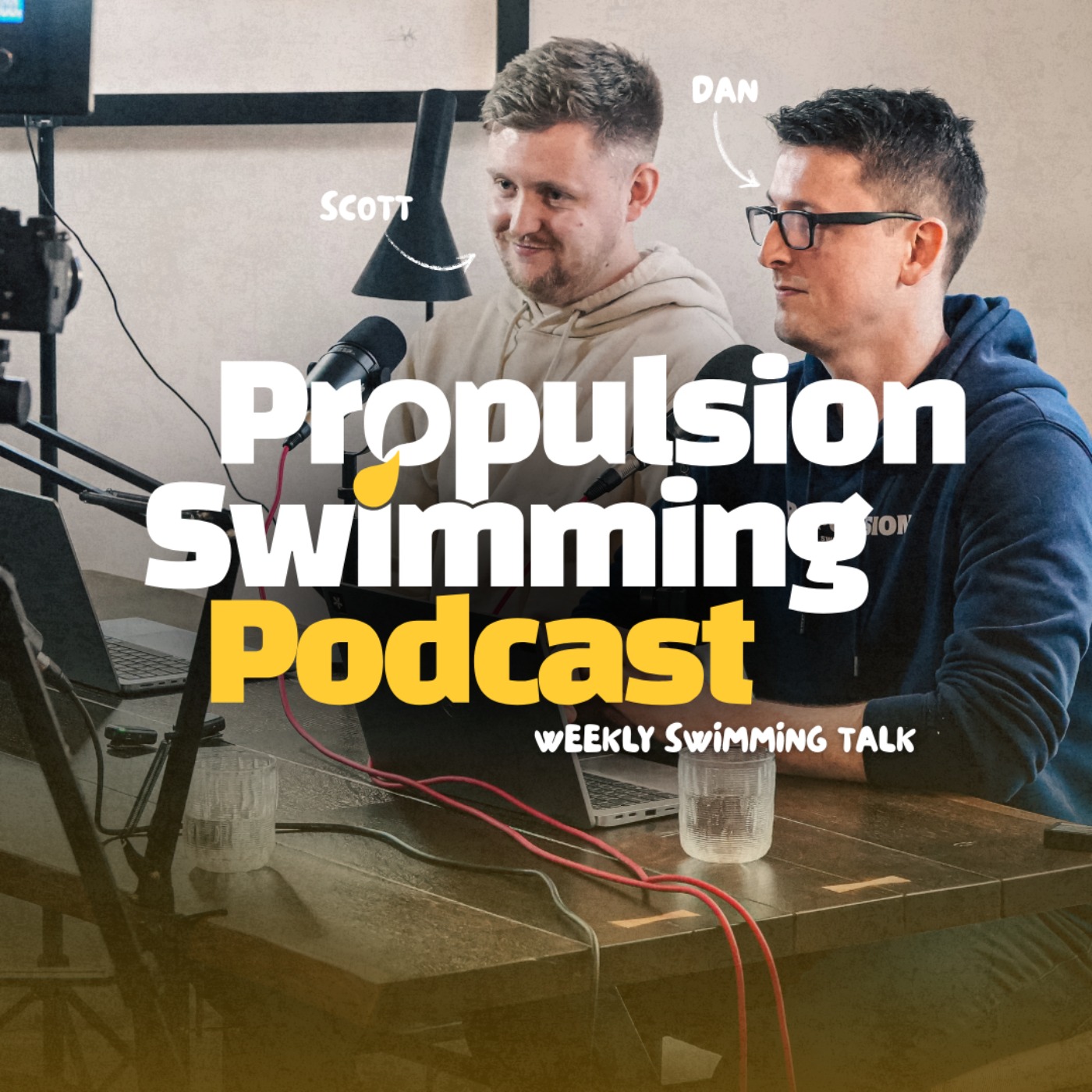
2. Scott and Dan host Freya Anderson, an Olympic champion, multiple world and European medalist, and founder of Fast and Female, so her experience matters to the topic.
3. The episode asks what Fast and Female is for: building a safe space for girls in swimming around puberty, confidence, and communication.
4. Freya says the move to Stirling took more out of her mentally and physically than she expected.
5. She says settling since September has helped, and she likes being able to focus on swimming rather than “Bath life” and brunch.
6. She describes Stirling as an athlete-driven centre where people hold each other accountable.
7. Freya says the clinics began from years of thinking about “Freya Anderson swim training” and wanting female-only sessions.
8. She links the idea to research on dropout rates, body confidence, social pressure, and the menstrual cycle.
9. She says 64% of girls quit sport by puberty, which she calls “shocking” and “sad.”
10. Freya says talented swimmers often leave around age 13 or 14 because school pressure and social life start to compete with training.
11. She says each clinic includes two swim sessions, Pilates, nutrition, and panel discussion.
12. She explains that Pilates came from rehab after a back injury at 16 and helps with stability and smaller muscles.
13. She says a nutrition talk covers recovery and fueling around the menstrual cycle.
14. Freya says the panel usually includes the lead coach Jen, Dr. Emily, a nutritionist, and physiologist, plus guests like Phoebe Griffiths.
15. She says the best part is girls getting comfortable enough to ask questions they might not ask in a standard clinic.
16. She says men are invited too, because most coaches are male and need to understand menstrual-cycle communication.
17. Freya says questions from parents have ranged from body hair to homework and what to do when a daughter is on her period.
18. She says sharing her own glandular fever and endometriosis has been easy because it helps others feel less alone.
19. The tone is open, practical, and conversational, with Scott and Dan asking direct follow-ups and Freya answering at length.
20. Listeners interested in women’s sport, teenage athletes, and swimming culture will get the most from this episode; listeners wanting race analysis only may skip it.