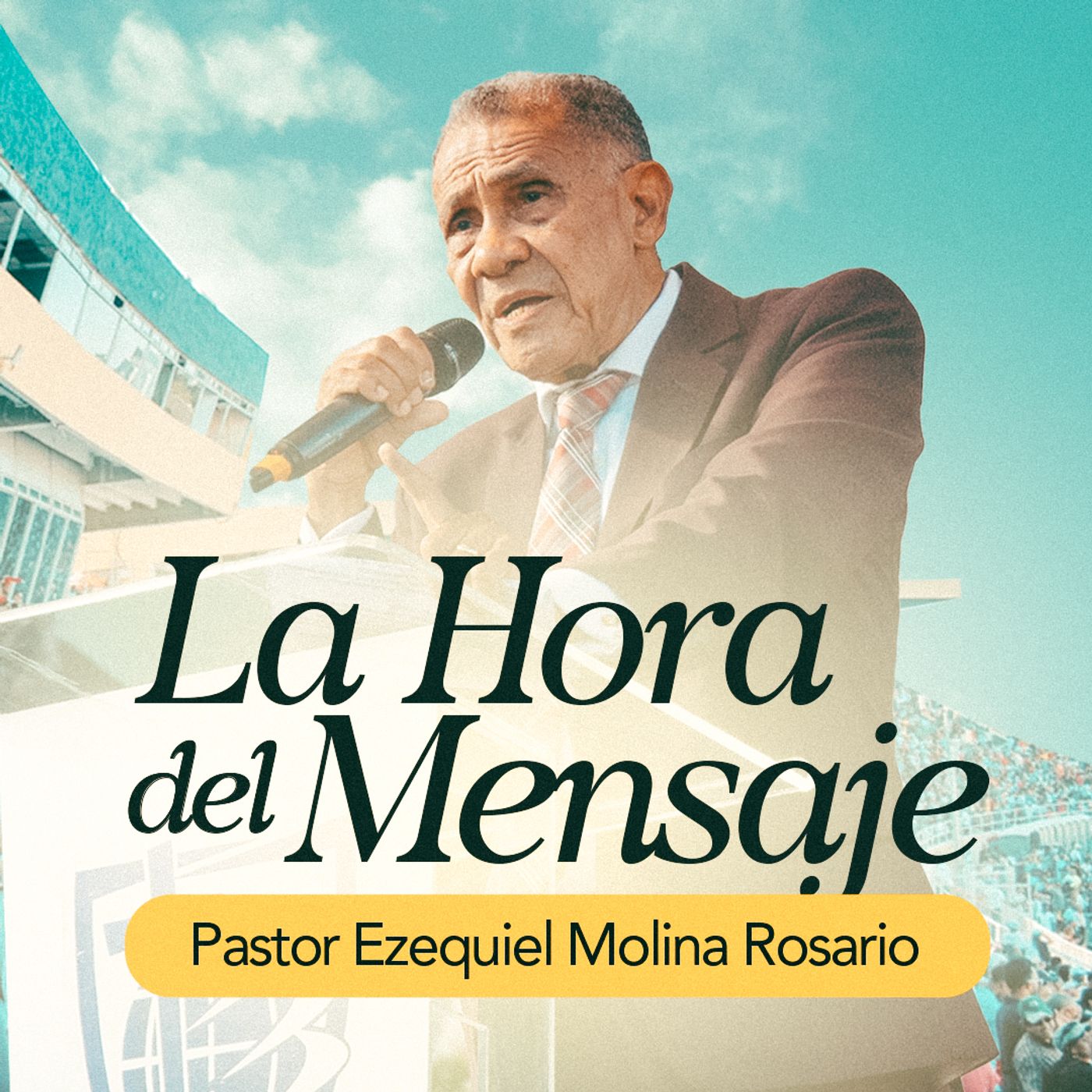
Pastor Ezequiel Molina Rosario · La Batalla de la Fe, Inc.

REALIDAD VS ESPERANZA - Prédicas Cristianas 2025 - Pastor Ezequiel Molina Rosario

·1 hr·5 clips
Pastor Ezequiel Molina explains why facing unbearable realities requires looking beyond what we can see.
1. Pastor Ezequiel Molina Rosario preaches sermon 1750 on June 12, 2022, based on Zephaniah chapters 1 and 3, under the title 'Realidad vs. Esperanza' (Reality vs. Hope). 2. The pastor is the sole speaker throughout; he draws on decades of pastoral experience and consistently uses first-person testimony alongside biblical exposition. 3. The core thesis is that the world's present reality is genuinely terrible — injustice, inequality, violence, corruption — but Christian hope points to a different, verified reality grounded in the promises of Revelation 21. 4. The sermon opens by defining reality as 'something you cannot avoid, evade, or deny' — illustrated with a microphone on a podium — and contrasts it with hope, which is 'the sense of a possible solution to what scares or disturbs us.' 5. The pastor divides all people facing crisis into two groups: those who expect nothing because they see only worsening evil, and those who look beyond the situation and trust in God. 6. He surveys Agenda 2030's promises to end hunger, dismissing them as lies, and argues that Christ himself said 'the poor will always be with us,' framing political promises as calculated crowd-pleasing rather than genuine solutions. 7. Turning to Zephaniah 1:2-3, he reads God's declaration to destroy 'completely all things on the face of the earth' — men, animals, birds, fish — and argues this is not the warning of a scientist but of the one who made the earth and has the right to end it. 8. He identifies the specific sins Zephaniah names as targets of divine judgment: remnants of Baal worship, idolatrous priests and ministers, those who swear by Jehova and Milcom simultaneously, and those who practice astrology. 9. The application to the contemporary church is direct: wearing religious clothing while maintaining worldly habits (like heavy metal music), visiting fortune tellers, or consulting horoscopes are identified as 'remnants of Baal' that delay divine blessing. 10. He tells a story about refusing to lend microphones to a famous Dominican merengue singer, citing the precedent of Babylon using temple vessels for other purposes — arguing that God does not tolerate mixing sacred and secular. 11. Zephaniah 3:3-4 is quoted to describe princes as roaring lions and judges as night wolves that leave no bone for morning, which the pastor applies directly to contemporary institutions: 'You cannot trust judges, prosecutors, police, or lawyers.' 12. The condemnation extends to false prophets who accept bribes and priests who contaminate the altar, which the pastor maps to contemporary social media influencers claiming pastoral authority while undermining biblical faith. 13. David is cited from Psalm 39:7 — 'And now, what shall I wait for? My trust is in you' — as the model for hope, noting David was a battlefield general who defeated Goliath, not a desk warrior, which makes his confession of dependence on God more weighty. 14. Joel 3:16 is cited: 'Jehova will roar from Zion… but Jehova will be the hope of his people' — positioned as the turn from judgment to promise. 15. John 14:1-3 is quoted: 'Let not your hearts be troubled… in my Father's house are many rooms… I go to prepare a place for you' — the pastor calls this Christ's three-part promise: he left, he is preparing, and he is returning. 16. Revelation 21:1, 4, 7-8 is read at length: a new heaven, new earth, no sea, no tears, no death, no pain — and then the warning list: the cowardly, unbelieving, abominable, murderers, fornicators, sorcerers, idolaters, and all liars will have their part in the lake of fire. 17. The sermon's tone is confrontational and urgent throughout, with direct second-person address, humor ('make sure you're invited before you dress for the party'), and congregational affirmations ('Hallelujah,' 'Aleluya'). 18. The format is a solo expository sermon with no guests, mixing Spanish and English naturally, drawing on scripture, political commentary, personal anecdote, and congregational interaction. 19. Those most likely to value this episode are Spanish-speaking evangelical Christians grappling with political pessimism who want biblical grounding for maintaining faith and peace. 20. Those who would skip it include non-religious listeners, those who find expository preaching formats unappealing, or those uncomfortable with direct political commentary from a religious perspective.
Listen to the show on