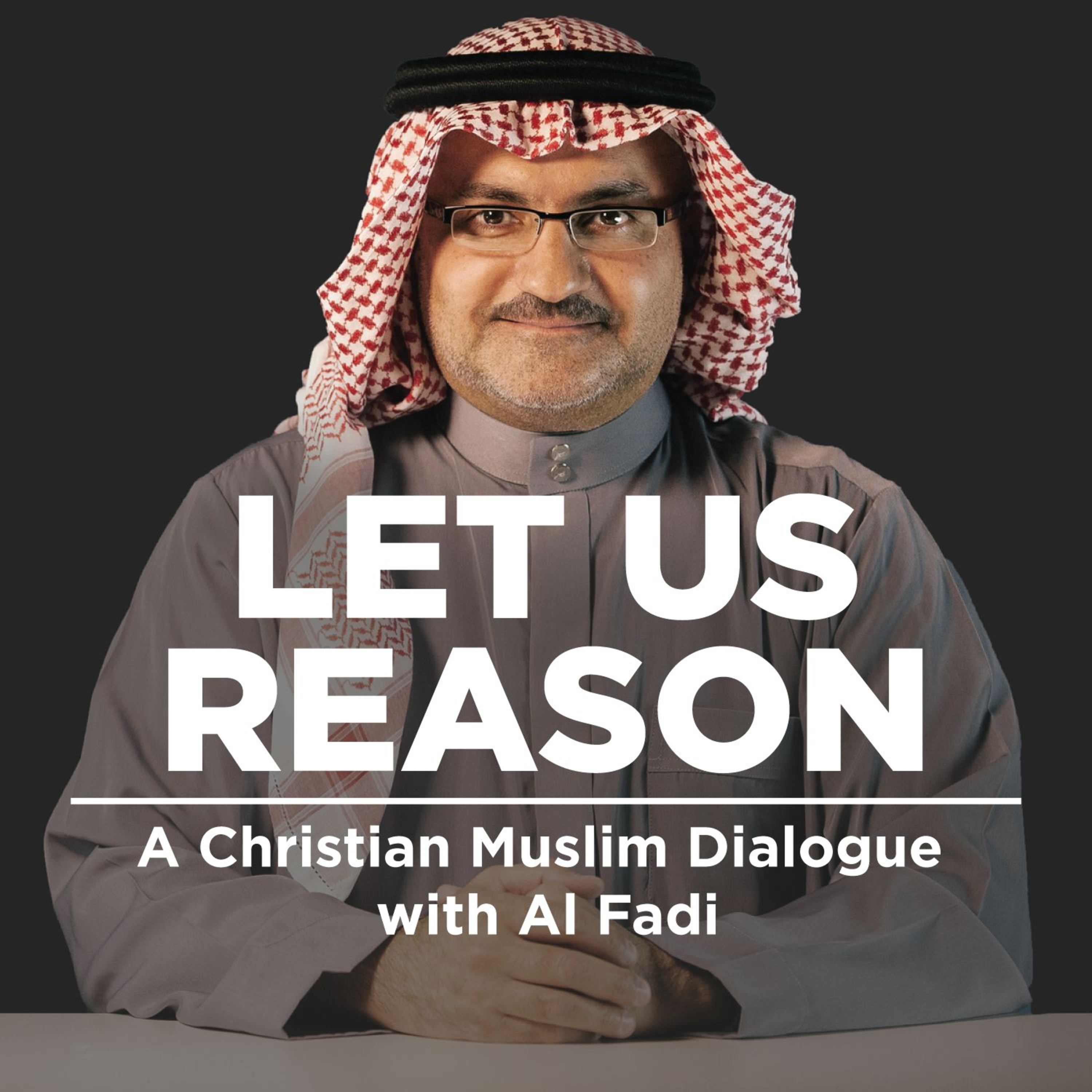
New Podcast Let Us Reason - A Christian/Muslim Dialogue · Al Fadi

LUR - 12-13-25 - EP3

·25 min·2 clips
Saint Murad exposes how Quran translators fraudulently add 'Muhammad' or 'Quran' to verses where they don't belong.
Host Al Fadi, a Christian apologist, and guest Saint Murad analyze English translations of the Quran they believe are misleading. They argue many translations impose later Islamic doctrines onto the text rather than reflecting its original Arabic meaning. Their examination focuses on translations they categorize as based on the "Standard Islamic Narrative." They dissect the translation of "wahy," often rendered as "revelation," arguing its use in contexts involving humans or jinn shows it means "signal" or "inspiration." The word "halal" is translated as "lawful," but they contend it means "to loosen" based on its use in the phrase "untie the knot from my tongue." They challenge the translation of "rajam" as "stoning," citing its use to describe Satan being "expelled." The term "kafir" is presented not as "infidel" but as "coverer," one who hides the truth. A key example involves a verse where translators add "the Quran" or "Muhammad" to the phrase "they recognize it," which the hosts see as an unwarranted insertion. They criticize the translation of "asbat" as "tribes," arguing it specifically means grandchildren through a daughter. The phrase "ashab al-mash'ama" is translated as "people of the left hand," but they claim it means "the people of pessimism." They note the word "ummah" is inconsistently translated as "religion," "community," or "nation" depending on the context. The hosts assert that many translators ignore linguistic roots to align translations with established Islamic law and theology. They suggest the Quranic text is more primitive than later Islamic scholarship portrays. The dialogue highlights a tension between literal Arabic meaning and traditional interpretive frameworks. The tone is educational and investigative, structured as a detailed linguistic critique between two like-minded analysts. Listeners interested in comparative religion, Quranic linguistics, or Christian apologetics directed at Islam would find this episode compelling. Those who accept traditional Islamic translations as authoritative or prefer devotional content would likely find it disagreeable.

As heard by us

A focused apologetics word study that turns kafir into a direct translation debate.

This episode stays tightly focused on kafir, and that narrow focus gives the discussion its shape. Al Fadi and St. Murad keep circling back to English renderings, root usage, and the standard Islamic narrative, which keeps the exchange grounded instead of drifting into…

Read the full review in PlayNext →

Why you'd press play

If one Arabic word can shift the whole translation, this is your listen.

Read the full recommendation in PlayNext →
Listen to the show on