Ehime University and Sumitomo Pharma Launch Next-Generation Multi-Stage Malaria Vaccine with International Partners
February 22, 2026·3 min
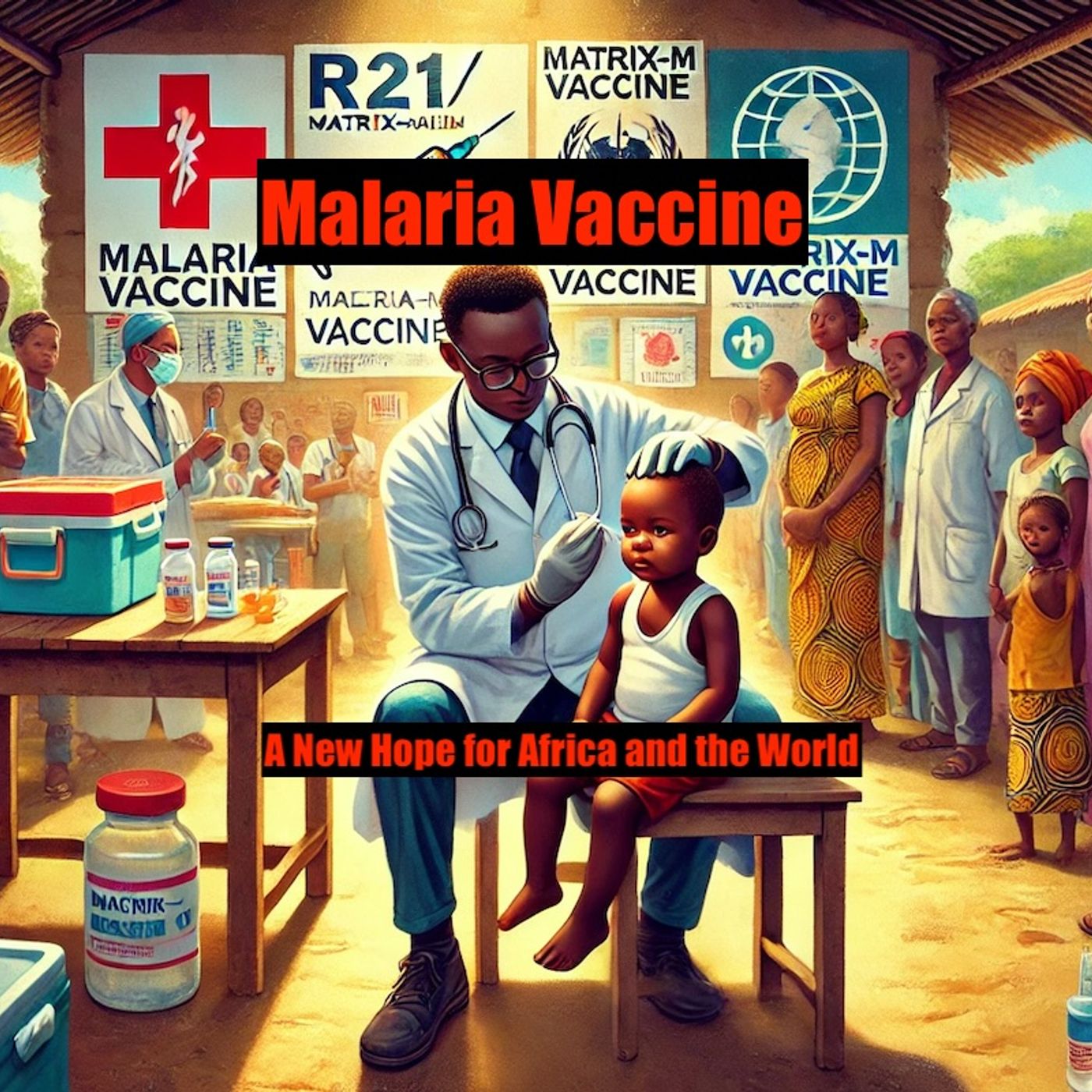
The episode begins with an announcement from Ihime University and Sumitomo Pharma about launching joint research on a novel multistage malaria vaccine. This research is backed by a grant from Japan's Global Health Innovative Technology Fund. The project involves international partners including PATH in the USA, Statens Serum Institute in Denmark, and the University of Copenhagen. The vaccine targets a combination of PFCSP, a liver-stage antigen identified by SSI, and PF5, a blood-stage antigen discovered through prior Ihime-Sumitomo collaboration. These antigens are presented on nanoparticles with Sumitomo's TLR7 adjuvant DSP0546E. According to Sumitomo Pharma's press release, this approach aims to block plasmodium falciparum infection from mosquitoes and subsequent red blood cell invasion. It potentially offers stronger protection than current options over a two-year non-clinical proof-of-concept phase starting October 20. The episode then provides context on malaria as a global crisis, citing the World Malaria Report 2025. Malaria infects over 260 million people and kills about 600,000 annually. Cases have surged post-2015 and accelerated during the COVID-19 pandemic. The World Health Organization has endorsed vaccines like RTS-S01 from 2021 and R21-MatrixM from 2023, which show around 30% efficacy against mosquito-to-human transmission. R21-MatrixM from 2021 and 2022 shows around 50% efficacy. Experts emphasize the urgent need for next-generation vaccines targeting multiple parasite stages. On the same day, open access government highlighted GAVI and UNICEF's agreement to expand access to the R21-MatrixM malaria vaccine. This bolsters global immunization efforts amid rising threats. GAVI's Vaccines Work Outlook for 2026, also dated February 20, pledges $2.2 billion for climate-sensitive vaccines, including malaria. This comes amid challenges like declining coverage in Africa, as noted in a GiveWell assessment from October 2025. The episode covers both the scientific development of a new vaccine and the broader global health landscape.