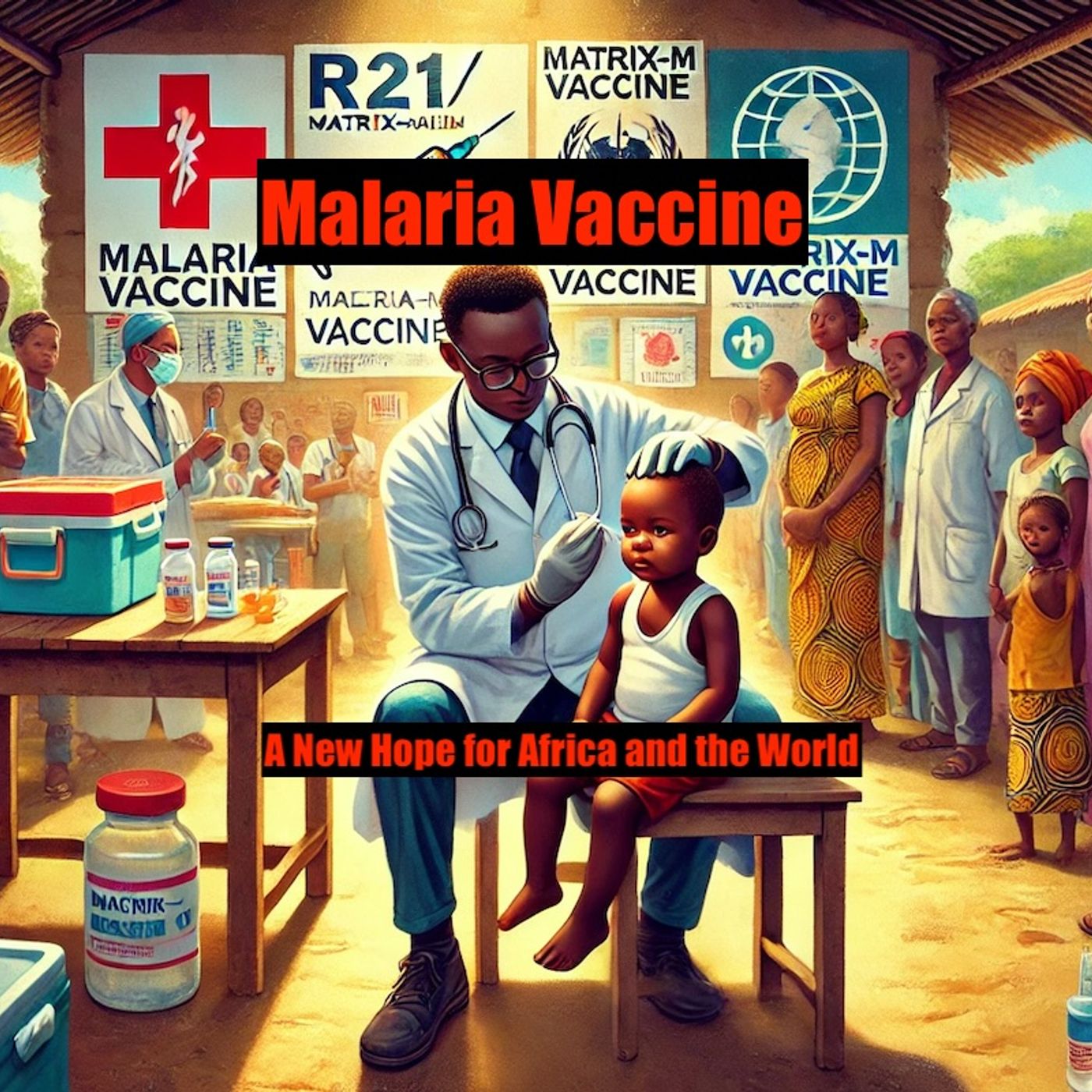
Breakthrough in Malaria Vaccine Development: Promising RNA Technology and Expanded Protection Targets
January 9, 2026·4 min
The episode begins by stating that malaria kills over 600,000 people annually, primarily affecting children in low- and middle-income countries across more than 80 endemic nations. It highlights the disproportionate impact on children and pregnant women, emphasizing the urgent need for better prevention tools. A key development discussed is from the RNA vaccine field, where Replicate Bioscience announced a $3.5 million award from the Bill and Melinda Gates Foundation. This funding supports the development of a low-dose, multigenic malaria vaccine based on self-replicating RNA technology. The goal is to create a vaccine platform that is more durable, potent, and easier to manufacture and deploy in resource-limited settings. Replicate Bioscience argues that its srRNA platform can generate both antibody and T-cell responses at lower doses, potentially improving safety and reducing costs. This initiative addresses widely acknowledged limitations of the first WHO-recommended malaria vaccines. Existing vaccines, such as those endorsed by WHO, are noted to have only moderate efficacy, require multiple doses, and show waning protection over time. These factors, combined with manufacturing and delivery constraints, limit their impact on transmission and mortality. Consequently, there is a driven search for next-generation products that can provide stronger, longer-lasting protection and be scaled rapidly for African markets. The episode also mentions that researchers are working to broaden the scope of vaccine protection beyond the dominant parasite species. The transcript is based on statements distributed by PR Newswire and Biospace. It presents a factual overview of recent advancements in malaria vaccine development without narrative elements or interviews. The focus is on scientific and funding updates rather than personal stories or debates. The content is structured around explaining the technology, its advantages, and the context of current vaccine shortcomings. It serves as an informative piece on emerging solutions in global health.