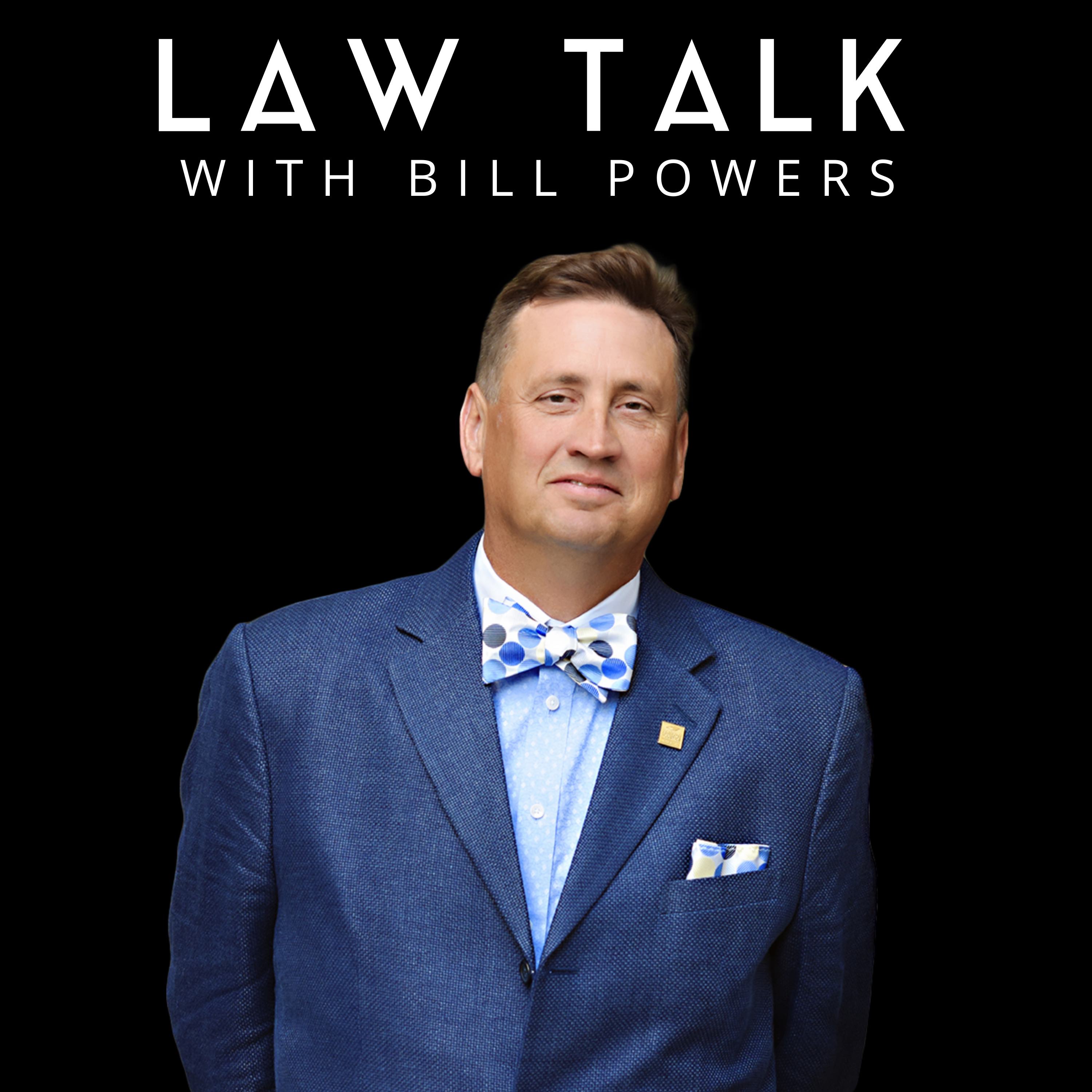
Law Talk With Bill Powers | From Legal Issues and Legislation to Practice Tips, Professionalism, and Policy Discussions · Bill Powers

What You Need to Know About Misdemeanor Drug Offenses

·35 min·3 clips
What should you do if you're caught with drugs and facing a citation or jail time?
This episode of Law Talk focuses on navigating misdemeanor drug charges from the moment of police contact through the court process. Guest host Robert Ingalls interviews Bill Powers, a board-certified criminal law specialist with decades of experience. Powers provides practical advice for individuals facing these common charges. The conversation centers on the critical initial steps following a police stop or search where drugs are allegedly found. Powers emphasizes the paramount importance of invoking one's right to remain silent immediately. He stresses that anything said to law enforcement can severely complicate a legal defense later. The hosts discuss the procedural differences between receiving a citation and being arrested and jailed. Powers explains the subsequent court process, including arraignment and potential outcomes. He outlines common defense strategies attorneys might employ for these cases. The discussion also covers how prior convictions can influence current charges and sentencing. A key insight is Powers' blunt advice to "stop talking" as the very first action, even before formally asserting one's rights. He references a common saying about having "the right to remain silent, but not the ability" to highlight how many people harm their own cases. The episode clarifies that a citation still requires a court appearance and carries the same potential consequences as an arrest. Powers explains that an attorney's early analysis of the stop and search's legality is often a primary defense avenue. The conversation reveals that seemingly minor misdemeanor pleas can create lasting criminal records with serious future repercussions. The tone is direct, educational, and conversational, blending practical "what-to-do" guidance with clear legal explanations. The style is advisory, drawing heavily on Powers' extensive frontline experience in criminal defense. This episode is essential for anyone seeking to understand their rights during a police encounter or facing a low-level drug charge. Listeners interested in broader policy debates about drug laws might find the episode too narrowly focused on immediate practical defense.
Listen to the show on