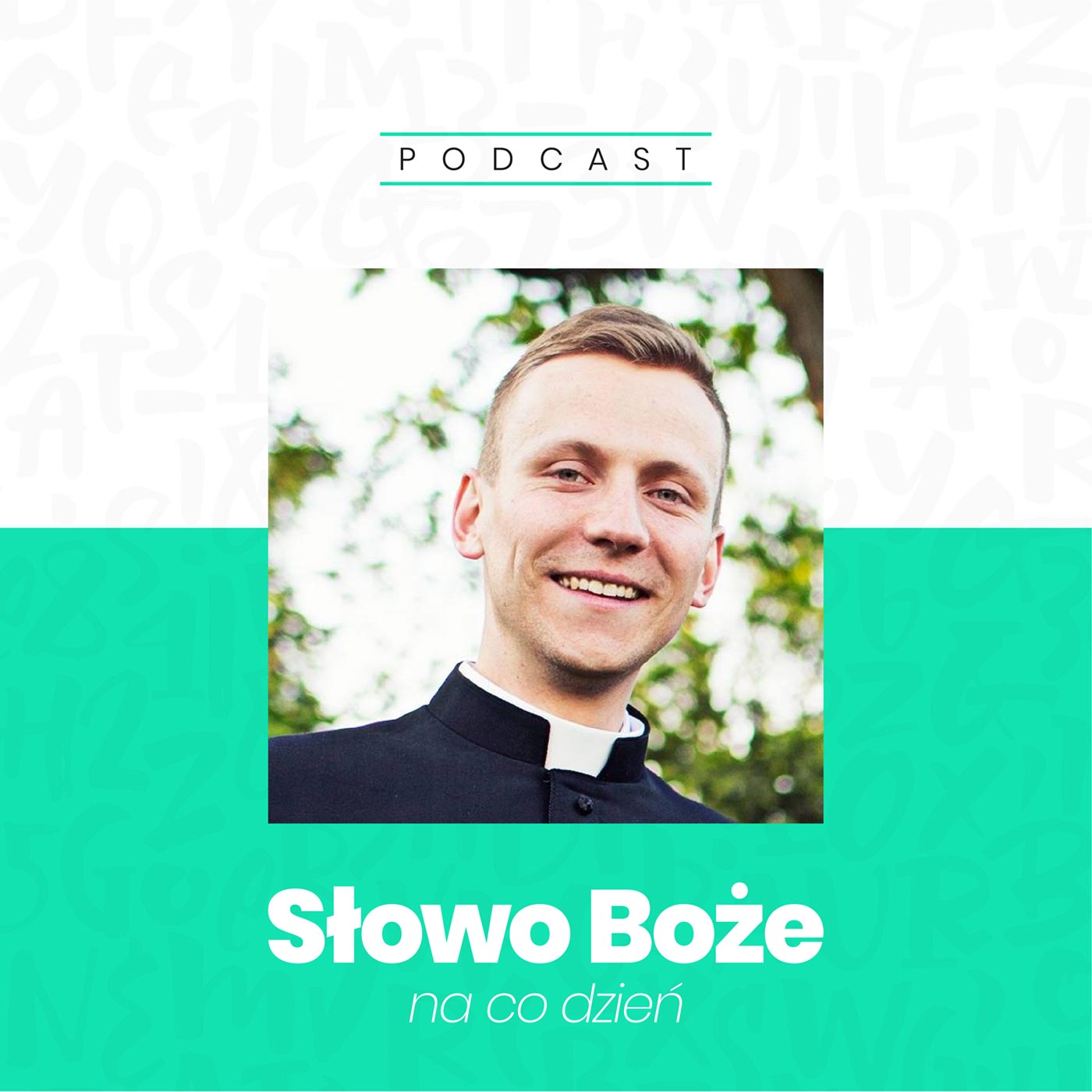
Ks. Krzysztof Augustyn · Ks. Krzysztof Augustyn

Nie przeszkadzajcie im

·47 min·4 clips
Jesus rebukes his own disciples for preventing children from coming to him, revealing how even the closest followers can obstruct faith.
In this solo episode of his podcast, Catholic priest and psychologist Krzysztof Augustyn examines the theme 'Do not hinder them,' inspired by Matthew 19:13-15 where Jesus rebukes his disciples for preventing children from approaching him. Augustyn frames this as a warning to modern believers who might similarly obstruct others' paths to faith. He structures the episode around five obstacles believers can create. The first obstacle is forcing religious practices, such as grandmothers pressuring grandchildren to attend church or priests compelling marriage before baptism, which Augustyn contrasts with the Catechism's emphasis on voluntary faith. The second is inconsistency between faith and life, illustrated by a story of a new convert dishonestly taking sick leave and Augustyn's own past reluctance to preach about conversion due to personal struggles. The third obstacle is a feeling of superiority, exemplified by prayers for 'hardened sinners' that imply separation and a personal anecdote about a condescending confessor. The fourth is excluding reason, where faith becomes magical thinking, like believing specific prayers guarantee a spouse's return, or priests oversimplifying complex issues like depression. Augustyn connects this to the Dunning-Kruger effect. The fifth obstacle is religious ignorance, where both laity and clergy fail to deepen knowledge, with priests neglecting to read current Church documents like Pope Francis's teachings or the new Directory for Catechesis. For each obstacle, Augustyn suggests remedies: positive encouragement and prayer for forcing practices; simplicity and trust for inconsistency; awareness of human fragility for superiority; integrating faith and reason; and religious reading, especially the Catechism, for ignorance. He concludes by inviting discussion on his views, acknowledging they are personal reflections open to debate.
Listen to the show on