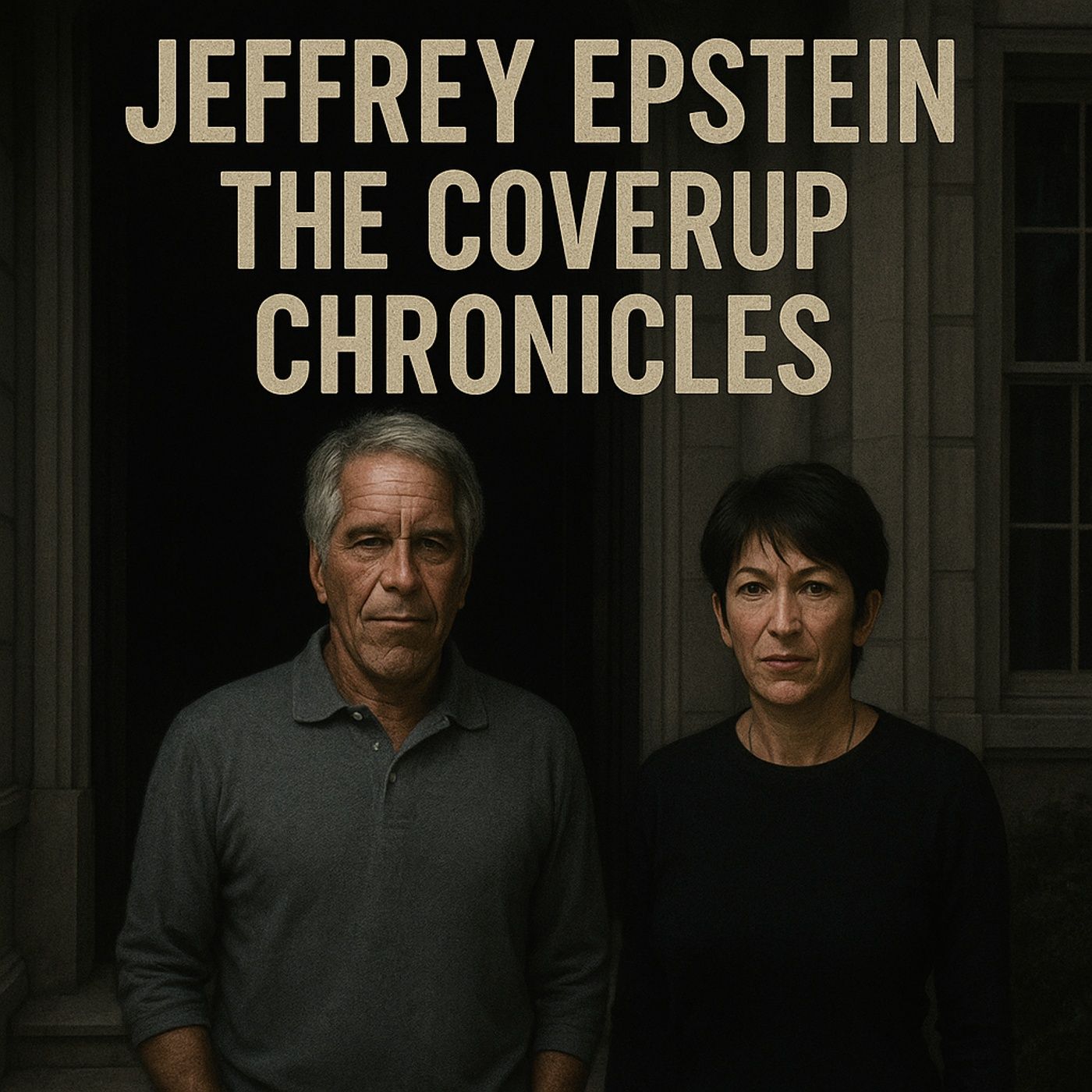
Jeffrey Epstein: The Coverup Chronicles

Mega Edition: The Rise And Fall Of Robert Maxwell (Part 1) (3/25/26)

·46 min·4 clips
Why were Epstein's charges so narrow when his crimes spanned multiple countries and involved many facilitators?
This episode examines the life and death of media mogul Robert Maxwell and his connections to intelligence networks. Host Bobby Cappucci analyzes Maxwell's rise and fall through the lens of the unresolved Jeffrey Epstein case. The episode positions Maxwell's story as a precedent for understanding powerful figures who operate with impunity. Maxwell was a Czechoslovakian-born British press baron who died under mysterious circumstances in 1991. His death was officially ruled an accident after he fell from his yacht, the Lady Ghislaine, named after his daughter. Maxwell controlled a vast publishing empire, including the Daily Mirror and Macmillan Publishing. He was deeply indebted, having looted hundreds of millions of pounds from his companies' pension funds. The episode details his intelligence ties, suggesting he worked for Mossad, the Israeli intelligence service. It connects Maxwell to figures like newspaper proprietor John Pilger and intelligence operative Ari Ben-Menashe. His daughter, Ghislaine Maxwell, later became infamous for her association with Jeffrey Epstein. The episode argues Maxwell's death investigation was hastily closed despite numerous unresolved questions. It highlights that his body was found floating in the water near the Canary Islands. A key claim is that Maxwell's intelligence connections provided him a form of protection during his life. The narrative suggests the looting of pension funds was enabled by a lack of oversight from financial and security institutions. A parallel is drawn between the logistics of Maxwell's operations and those later used by Epstein. The episode implies that powerful individuals can orchestrate complex financial and personal crimes when embedded within certain networks. The tone is investigative and conversational, blending narrative storytelling with direct audience address. The style is assertive and poses rhetorical questions to challenge official accounts. Listeners interested in the intersection of media, finance, and intelligence operations would find this episode compelling. Those seeking a strictly fact-based, linear historical documentary might find its speculative connections less engaging.
Listen to the show on