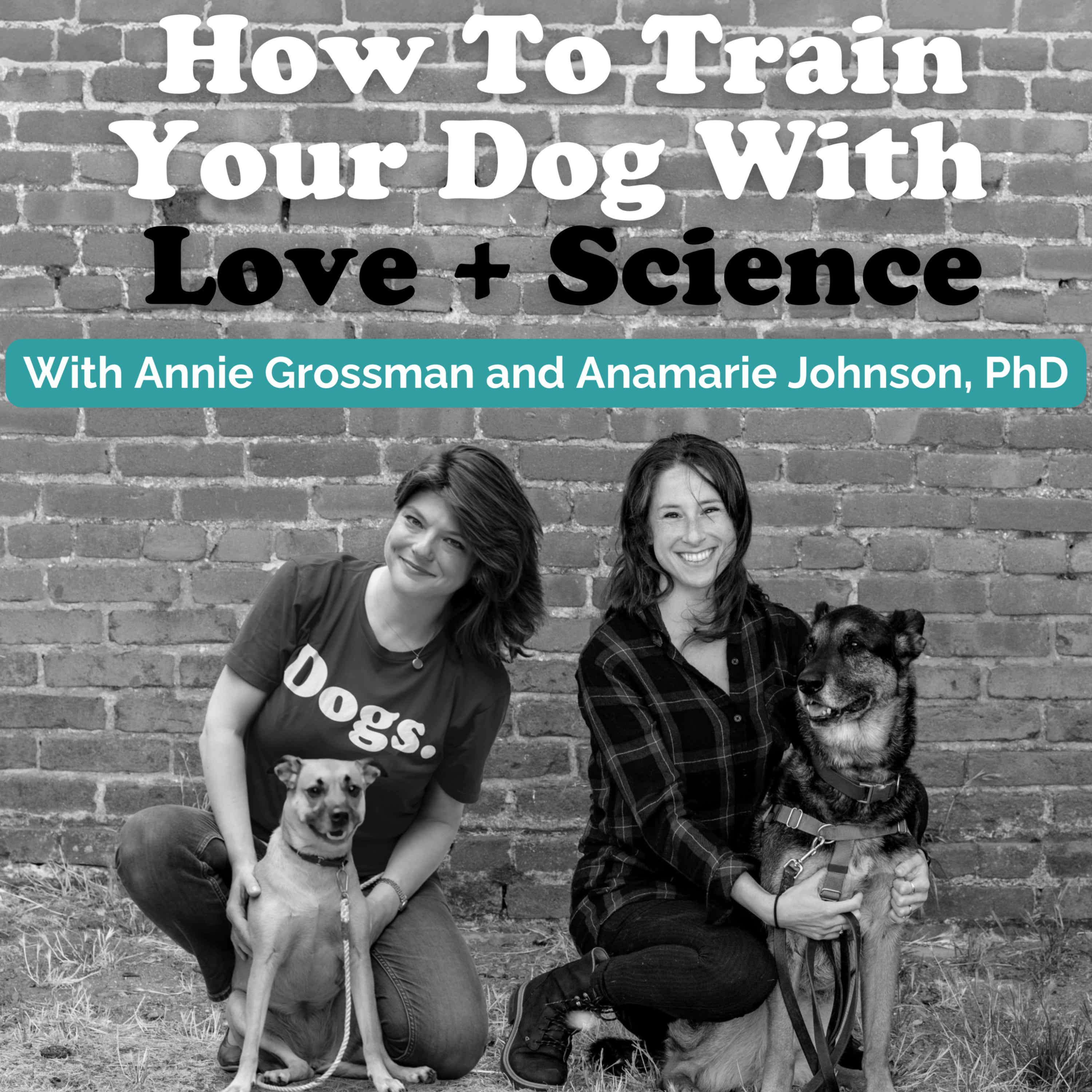
How To Train Your Dog With Love + Science - Dog Training with Annie Grossman + Anamarie Johnson PhD (Formerly known as School For The Dogs Podcast) · Annie Grossman

Dog Daddy, Part 2: Zak George calls out animal abuse masquerading as dog training

·33 min·2 clips
George says Dog Daddy appeals to naive viewers, violence-tolerant viewers, and "toxic masculinity."
Annie Grossman opens by introducing Zach George as a giant in online dog training who has spent years making clear, snappy, informative videos on everything from tricks to loose-leash walking. She frames the conversation around his decision to take a stand against Dog Daddy and what that says about the field. The episode is less a product pitch than a public argument. Grossman treats the choice to name a peer as difficult, risky, and worth sitting with, because it is hard in any profession to point at someone doing something similar and say they are doing more harm than good. George's reputation sits in the background. His work is described as practical and widely watched, and Grossman clearly wants listeners to understand why his criticism matters. The target is not really the point. The point is the kind of advice that tells people to use toughness, dominance, and leash jerks on dogs while ignoring the underlying causes of behavior. Grossman does not pretend the bad advice is mysterious. She says she once would have been more willing to believe that aggressive dogs need aggressive handling, then explains how learning changed that view quickly, because meaningful behavior change has to be built from the inside out. That idea anchors the whole conversation. The episode makes the contrast between good and bad training feel practical rather than abstract, translating those methods into everyday consequences for dogs and the people handling them. Cesar Millan comes up as a reference point. George is direct that Millan has had a long public career, that his methods have done a lot of damage, and that fame is not a reason to keep repeating advice the public could do better without. There is frustration here. The frustration is not performative; it sounds like two people who care about dogs, know how slowly public opinion shifts, and are exasperated by trainers who keep their heels dug in instead of changing when better evidence and better ethics are available. The interview stays personal. Grossman keeps returning to the awkwardness of evolving publicly, the value of changing your mind, and the sense that dog culture often rewards certainty more than improvement, which makes honest self-correction feel almost radical. The episode ends on utility. It leaves listeners with a clearer way to judge dog-training influencers and a sharper sense of why calling out harmful methods is part of caring about dogs at all.

As heard by us

A blunt, science-minded look at why calling out bad dog advice matters.

Annie Grossman uses this exchange with Zach George to make a direct case for why bad dog advice matters, and why some trainers feel they have to say so plainly when a peer is doing harm.

Read the full review in PlayNext →

Why you'd press play

When you want dog-training talk that names harmful ideas instead of dressing them up.

Read the full recommendation in PlayNext →
Listen to the show on