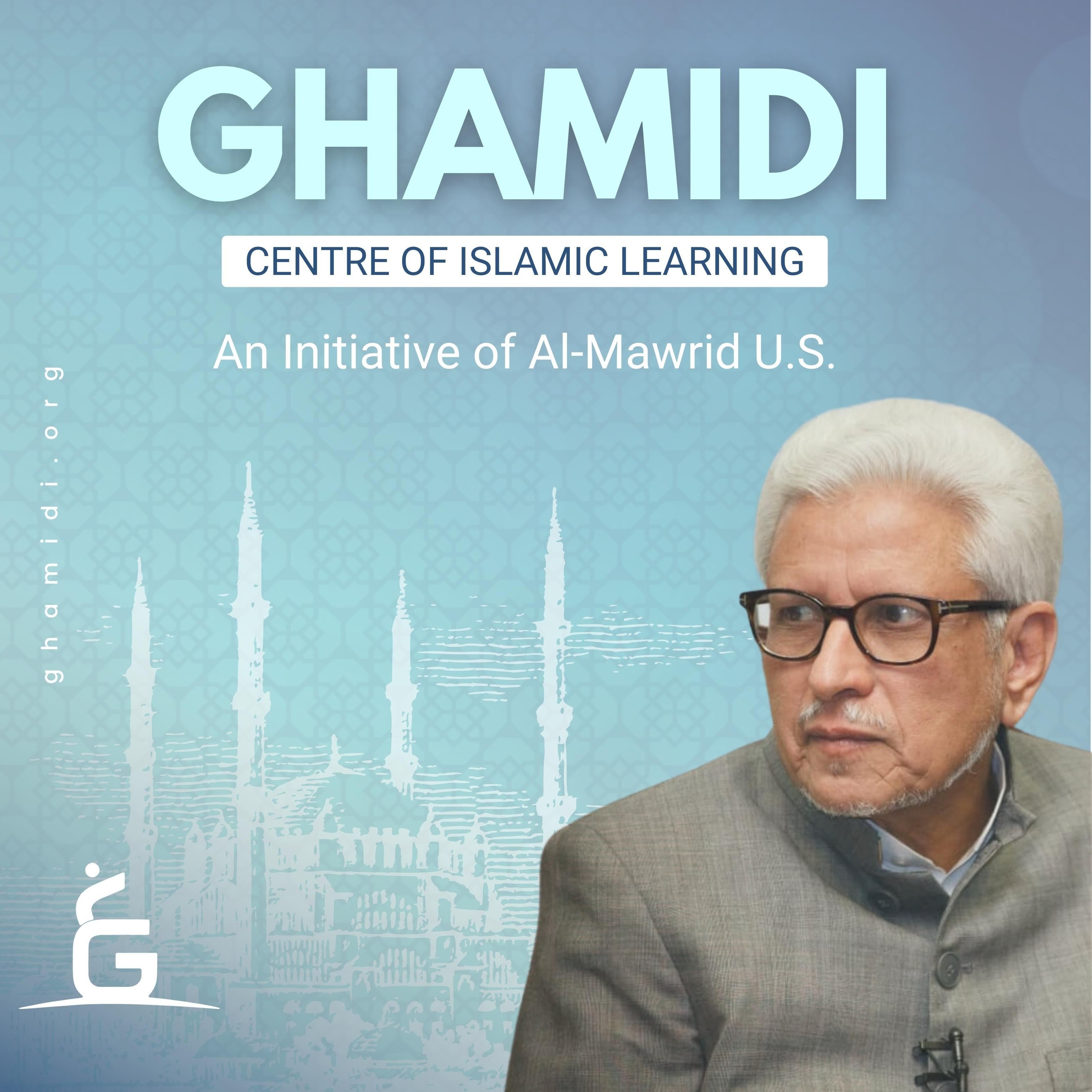
GCIL PODCAST - Javed Ahmed Ghamidi · Ghamidi Center Of Islamic Learning

Response to 23 Questions - Part 133 - What is Sunnah (Sunnat Kya Hai) - Javed Ahmed Ghamidi

·29 min·1 clip
Ghamidi says Deen, by its content, is named only two things: the Quran and the Sunnah.
Maktab-e Ghamidi continues its long series by circling back to Sunnah. The host frames the day as the nineteenth and final session of this stretch, then asks Ghamidi Sahab to return to the basic question of what Sunnah is, why it exists beside the Quran, and how the wider series has clarified the Prophet’s practice as a binding model when divine command calls for action. The discussion stays with definitions. Ghamidi Sahab explains again that the religion of the Prophet reaches people in two forms, the Quran and the Sunnah, and that Sunnah becomes visible when a command arrives and the Prophetic model gives the practical example needed for firmness and steadfastness in response. The host then turns to the principles already laid out. He asks what grounds each principle, how the Sunnah list was arranged, and why the conclusion of that arrangement says these are the Sunnahs, even though readers later noticed that the list in Meezan had changed. One example is named directly. The adhan in the ears of the newborn appears as a case where the earlier list included an item later removed, and the discussion opens the question of how a list built from transmitted practice can still be revised if new scrutiny shows that a previous assumption was too trusting or not closely examined. The answer is framed as a matter of method. Ghamidi Sahab says that early researchers often rely on inherited reports and on the work of earlier scholars, and that this trust can make people assume certain items have already been settled without much further inquiry, even when that confidence should not replace careful examination. Responsibility becomes the central theme. He describes his own approach as one taken before God, where a correction matters more than defending a prior position, and where a discovered mistake should lead not only to change but to gratitude toward the person who pointed it out. The host uses that answer to narrow the debate. He asks what Ghamidi Sahab’s view should be on practices that the later list does not include but which earlier scholars counted as Sunnah, and the discussion points toward the next session, where the topic shifts to hadith and related records cited in that objection. The tone stays measured throughout. The exchange does not chase drama or quick resolution; it stays with terminology, precedent, and the logic of classification, so the listener can see why Sunnah is being separated from adjacent claims instead of simply accepted by habit. The closing movement stays forward-looking. After the explanation of the list change, the show notes that the next question will concern what hadith is and how the objections to Ghamidi Sahab’s position will continue in the following session, keeping the series tied together as one continuous argument rather than isolated answers. The episode ends by returning to the audience. It leaves listeners with the sense that Sunnah is being treated as a disciplined scholarly category, not a slogan, and that revising a list can be part of honest inquiry rather than a retreat from it.

As heard by us

A measured return to what Sunnah means, and why its boundaries matter.

The episode circles back to a basic but stubborn question: what Sunnah means, why its boundaries matter for actual commands, and how the Prophet's example carries weight once action is required. The conversation is formal and measured, and that gives it a clear method.

Read the full review in PlayNext →

Why you'd press play

You want the reasoning behind Sunnah, not just the label.

Read the full recommendation in PlayNext →
Listen to the show on