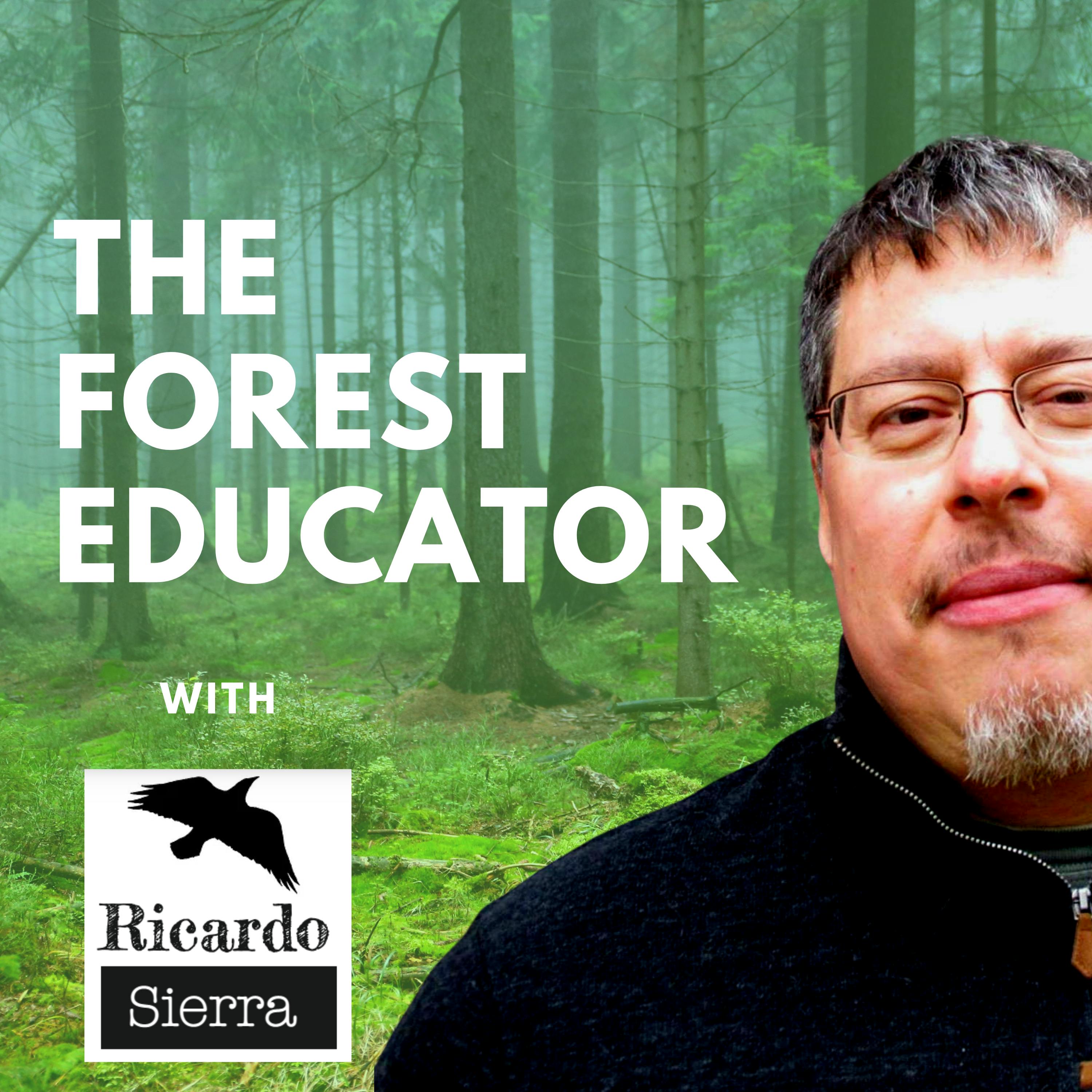
Forest Educator with Ricardo Sierra | A Podcast for Revolutionary Conversations about Nature-Based Education · Ricardo Sierra

Adaptation, Strategic Changes and the Forest Education Endgame

·30 min·1 clip
Ricardo argues nature education must show measurable outcomes across mental health, leadership, creativity, and emotional regulation.
1. Forest Educator with Ricardo Sierra frames "Adaptation, Strategic Changes and the Forest Education Endgame" around a schedule change and a future funding plan. 2. Ricardo Sierra says he is the host, and he describes himself as someone who has been running the podcast, interviewing guests, and managing the backend work. 3. The episode asks what nature education needs to become a viable field with measurable results, stable pay, and enough support to scale. 4. Ricardo announces a temporary move from two episodes a week to one episode a week for the next few months. 5. He says the change is tied to maintaining quality, scheduling interviews, and finishing projects before winter. 6. He says he has been doing many solo episodes because he has not had time to email guests, schedule them, and plan conversations. 7. Ricardo says he needs to develop sponsorship and funding because the show and related work are currently covered by him, his programs, and timber frames work. 8. He says he wants to keep doing interviews and still bring in different perspectives on nature education. 9. Ricardo says he wants to fund research, field reporting, analysis, interviews, multimedia presentations, and monthly online forest educator sessions. 10. He says nature educators generally do not have salaries or budgets like people in insurance, sports, or other better-funded fields. 11. Ricardo estimates there are about 700 programs in North America and says roughly three quarters are sole proprietors or small teams. 12. He says he wants interviews and surveys that show how many students these programs serve, how many people they employ, and what salaries and pay look like. 13. He uses the phrase "the water is cloudy" and "chocolate milk or coffee" to describe the lack of transparency in the field. 14. He says the work should include wilderness survival, forest bathing, forest therapy, psychotherapy-based programs, and other nature education models. 15. Ricardo says he wants anonymous aggregates so people can see whether the field is viable and how low pay affects growth. 16. He says the episode should help identify program models, outcomes, and what it would take to move into urban schools, suburban schools, and partnerships with modern education systems. 17. The style is direct, repetitive, and improvised, with Ricardo speaking as a solo host and returning several times to the same funding argument. 18. The tone is urgent and practical, with repeated calls for advocacy, research, and measurable change rather than symbolic praise. 19. People working in forest schools, nature education, or outdoor learning. 20. Listeners wanting a polished, interview-driven episode.
Listen to the show on