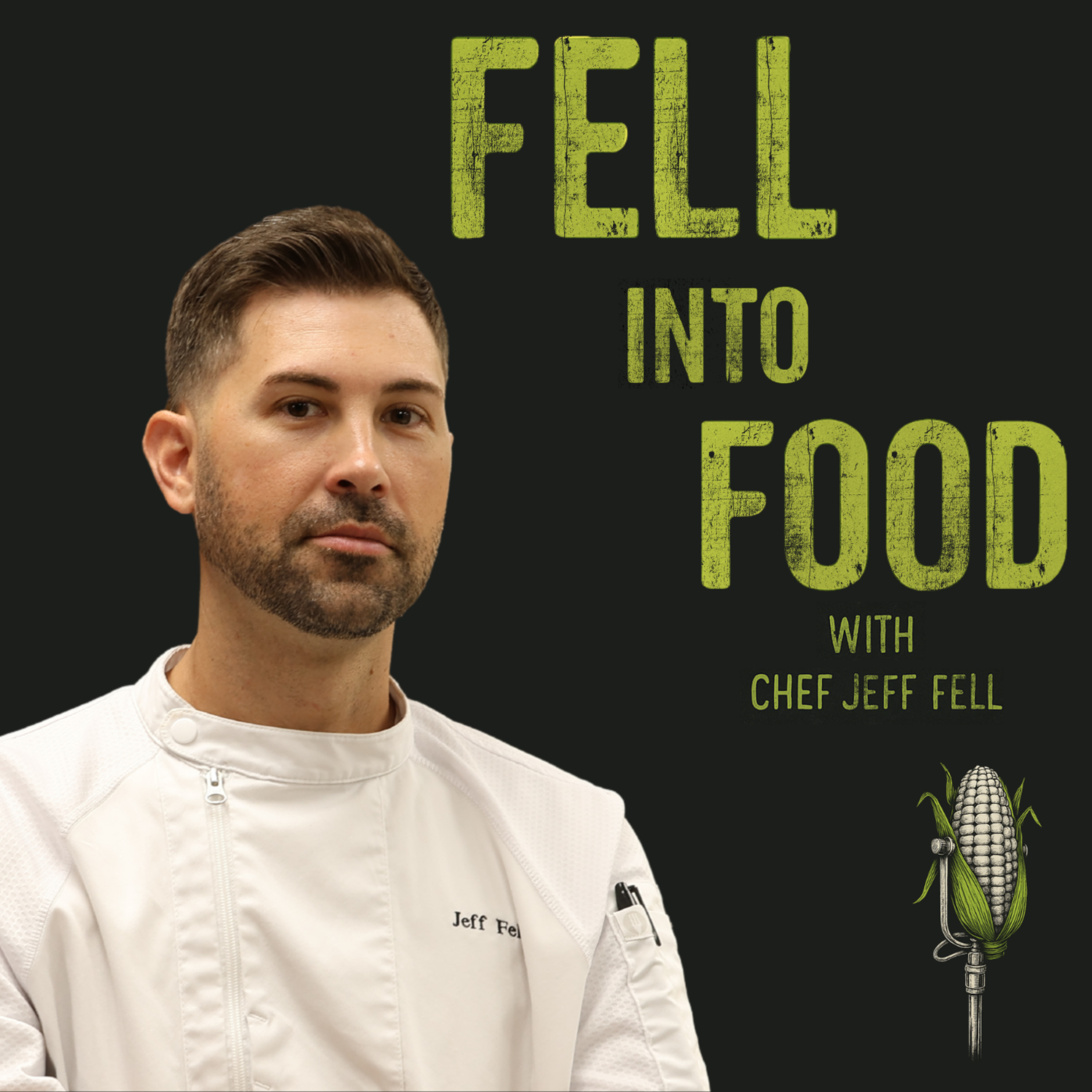
Fell Into Food Podcast · Jeff Fell

AARON SHARPE: TESTO / CORKED BOTTLES / CALIBRATED PROBES

·1 hr 7 min·4 clips
AI will not replace labor here; it should reallocate the workforce into more important tasks.
1. Fell Into Food Podcast centers on Aaron Sharpe and Testo, with the conversation moving from pastry school to food-safety sensors. 2. Aaron Sharpe matters because he is a pastry-trained food professional, a junior sommelier, and a Testo representative. 3. The episode asks how a pastry chef ends up talking about temperature probes, wine, and food regulation. 4. Aaron says food first meant pastry, not general cooking, and he links that to watching Cake Boss around age 16 or 17. 5. He describes working in his parents' kitchen, then attending Cuyahoga Valley Career Center in Brecksville, Ohio. 6. He says he later went to Hawking College for a technical degree and then a business degree. 7. Aaron says pastry fit his OCD and analytical habits because he wanted desserts to look and taste a specific way. 8. He says he often did not taste his own school desserts and instead used customers as critics. 9. He explains that a cake batter can be hard to judge until it bakes, while cookie dough can be tested in a pan like a small pancake. 10. He says base recipes from a culinary-school binder still let him scale down large batch formulas and add variations. 11. Aaron argues that mise en place, claw grip, and sanitation matter in every kitchen, including a home kitchen. 12. He says Food Network basics can still validate home cooks and make them more creative. 13. He uses his kids and wife as taste-testers and says their faces tell him when seasoning is off. 14. Aaron calls white chocolate fake chocolate and says it lacks cacao, which is why he refuses to make desserts with it. 15. He says he likes 80 to 100 percent chocolate because baking removes some bitterness and leaves a stale presence if the cacao is too low. 16. Aaron links that preference to wine, saying he is a junior sommelier who learned at Cooper's Hawk in Cleveland. 17. The interview style is conversational and technical, with the host matching Aaron's examples about food, wine, and kitchen work. 18. The energy is practical and personal, with long back-and-forth explanations rather than short promotional answers. 19. People who like culinary careers, food science, and kitchen operations will get the most from this episode. 20. People wanting celebrity food talk or a quick recipe demo may skip it.

As heard by us

A blunt, useful talk about labels, regulation, and how food rules shape what consumers see.

The episode turns a familiar food policy fight into a plainspoken look at regulation, labeling, and the incentives that shape both. It is at its best when it stays close to the concrete examples: food dye, the gap between U.S.

Read the full review in PlayNext →

Why you'd press play

Want the plain story behind food labels, dyes, and why U.S. rules still lag?

Read the full recommendation in PlayNext →
Listen to the show on