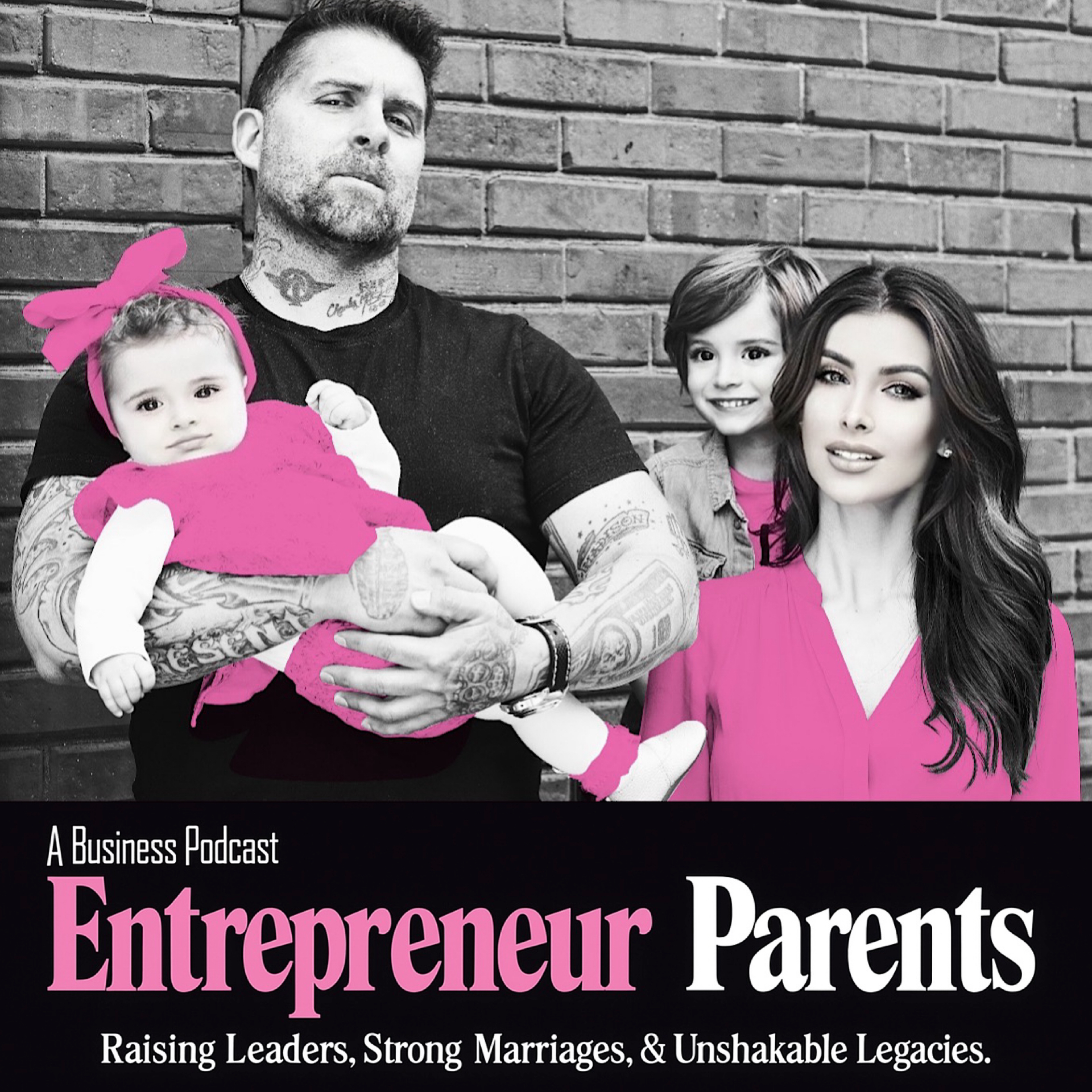
Entrepreneur Parents - Pretty & Punk Podcast | Family Success, Business Tactics, Relationship Goals · Ildiko Ferenczi and Dan Caldwell

Rebuilding Desire After Emotional Safety Returns!

·1 hr 25 min·5 clips
When accountability replaces defensiveness and humility replaces ego, trust rebuilds and desire can return.
She starts with a question many couples carry in silence. What happened to the attraction they once had? The answer she gives is sobering. For many women, desire is not only physical. It is tied to the nervous system. When safety feels uncertain, desire can shut down quietly. She says that retreat is not punishment. It is protection. That reframes distance as something worth paying attention to. It also helps explain why a spouse can feel blindsided when care and affection seem to fade. Instead of assuming love has died, she pushes the listener to ask what the nervous system is trying to guard. From there, the conversation widens into family life. She talks about guiding children through big emotions instead of sending them away. She says she does not want to shut them down. She wants to help them name what they feel. That, she argues, is part of preparing them for future marriage and holy covenant. She connects calm responses with biblical honor. She is wary of habits that silence emotion just to protect a parent's peace. She asks what happens inside us when another person is triggered. She ties that response back to how people were raised, and the thread closes by calling the listener to stay steady, listen without interrupting, and let the storm pass.

As heard by us

Desire is framed as a safety signal, not a simple spark.

The episode treats attraction after emotional safety returns as a nervous system issue, not a simple spark or a moral lapse. It argues that when people feel unsafe, desire can shut down as protection, which gives the conversation more weight than a usual relationship talk.

Read the full review in PlayNext →

Why you'd press play

For the moment when you need to talk about desire without turning it into blame.

Read the full recommendation in PlayNext →
Listen to the show on