Ekantik Vartalap · Bhajan Marg

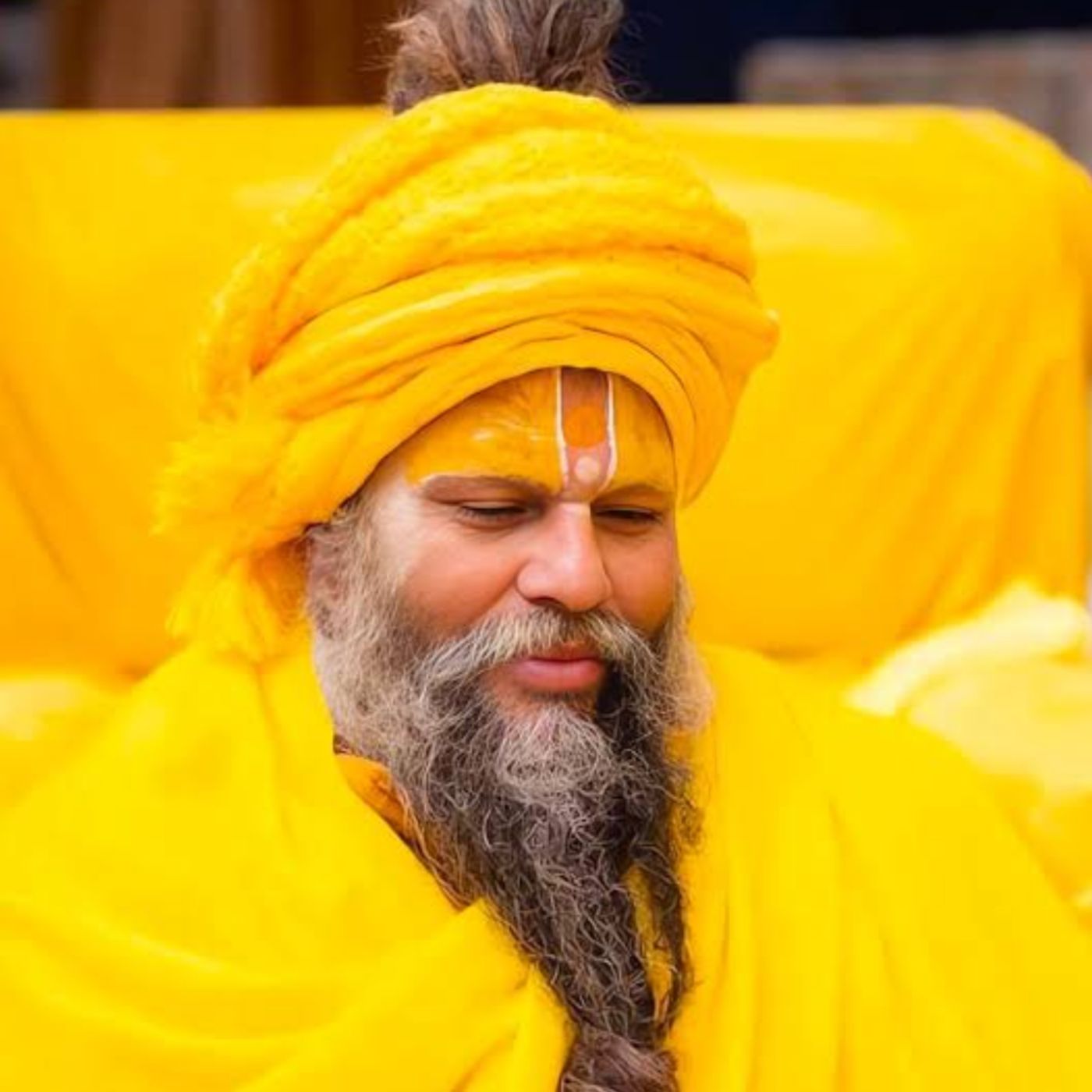
#1231 Ekantik Vartalaap & Darshan⁄10-04-2026⁄ Shri Hit Premanand Govind Sharan Ji Maharaj

·39 min·3 clips
Gopis cry out for Bhagwan's darshan, and He appears among them, removing the trigun parda to reveal His form.
1. Ekantik Vartalap episode 1231 features Shri Hit Premanand Govind Sharan Ji Maharaj delivering a satsang on devotion, ego-surrender, and the means of attaining divine love. 2. Maharaj Ji serves as the sole speaker, guiding disciples through a question-and-answer format in Hindi, answering questions from listeners including Ana Sati Ji from Kashmir, Payal Sharma Ji, and Yogesh Ji. 3. The episode's core thesis is that purification of the mind through three specific practices enables the aspirant to experience longing for God comparable to a drowning person's desperation for breath. 4. Maharaj Ji opens with the story of Gopiya meeting Lord Krishna in Vrindavan, where she asks for increased devotion in the form of Dwibhuj Murali Manohar, illustrating that uniqueness (ananya bhav) in devotion leads to direct divine response. 5. He recounts the meeting of Goswami Tulsidas with Lord Krishna in Vrindavan, where Tulsidas requested that the Lord appear as Shri Ram with a bow rather than as Krishna with a flute, and the Lord immediately changed form, demonstrating that the Lord honors the unique love of each devotee. 6. Responding to Ana Sati Ji's question about how longing for God arises, Maharaj Ji identifies sant sang (company of saints), naam jap (name-chanting), and Bhagwat Leela Katha (hearing divine stories) as the three instruments of mental purification. 7. He cites the Sanskrit verse from Shrimad Bhagavatam beginning with "Rahu ghani tattaprasa naya" to argue that self-knowledge cannot be obtained through Vedic rituals, charity, pilgrimage, or scriptural study alone — only through service at the feet of great souls. 8. Maharaj Ji quotes the Bhagavad Gita verse "bhogeshwari-prasaktanam taya prahrt chit saam" to establish that those whose minds are absorbed in pleasure can never develop firm devotional intellect (vyavasayatmika buddhi). 9. Using a sleep-deprivation analogy, he argues that just as a person kept awake for 24 hours would beg to stop all stimulation just to sleep, cessation of worldly thought itself produces a deeper peace than any sensory enjoyment. 10. He shares that two different visitors — a man with many national awards and a man afraid of old age and death — both confessed that material achievement brought no lasting happiness, using these as live testimony for his teaching. 11. Responding to Payal Sharma Ji's question on how to remain unaffected by pleasures even in their presence, Maharaj Ji states that vairagya (detachment) cannot come from words alone but only from sustained practice of God-remembrance. 12. He distinguishes between the path of knowledge (gyan marg) and the path of devotion (bhakti marg), stating that both aim at the same goal — cessation of worldly thought — through different means: the former through discrimination, the latter through surrender. 13. Maharaj Ji explains that body-identification (deha abhiman) is the root cause of susceptibility to pleasure, and that wherever body-identification dissolves, there is no longer anyone left to enjoy sensory objects. 14. He quotes the Bhagavad Gita verse "ananya chetah satatam, yo maam smarati nityasah, tasyaaham sulabh parth" to state that the Lord becomes easily accessible to those who remember Him constantly with undivided mind. 15. Maharaj Ji states that all external practices — aarti, puja, reading, pilgrimage — have only one fruit: that the aspirant's internal contemplation (chintan) should shift from worldly objects to God. 16. He quotes the Sanskrit verse "Dhyana mulem guru murti, pooja mulem guru padam, mantra mulem guru vaakyam, moksha mulem guru krapa" to summarize that meditation, worship, mantra, and liberation all rest upon the guru's grace. 17. The episode is a live satsang format with Maharaj Ji answering questions from named disciples; the tone is intimate and instructional, with frequent Sanskrit verse citations followed by Hindi explanation. 18. Maharaj Ji uses extended storytelling — the Tulsidas-Vrindavan episode, the Swami Ramdas pus-wound test — to make abstract teachings on ego-surrender concrete and memorable. 19. The episode is best suited for listeners already engaged in Hindu devotional practice who want scriptural grounding for spiritual disciplines. 20. Listeners unfamiliar with Hindi, Sanskrit, or the Vaishnava tradition will find most of the episode inaccessible without background knowledge.
Listen to the show on