Ekantik Vartalap · Bhajan Marg

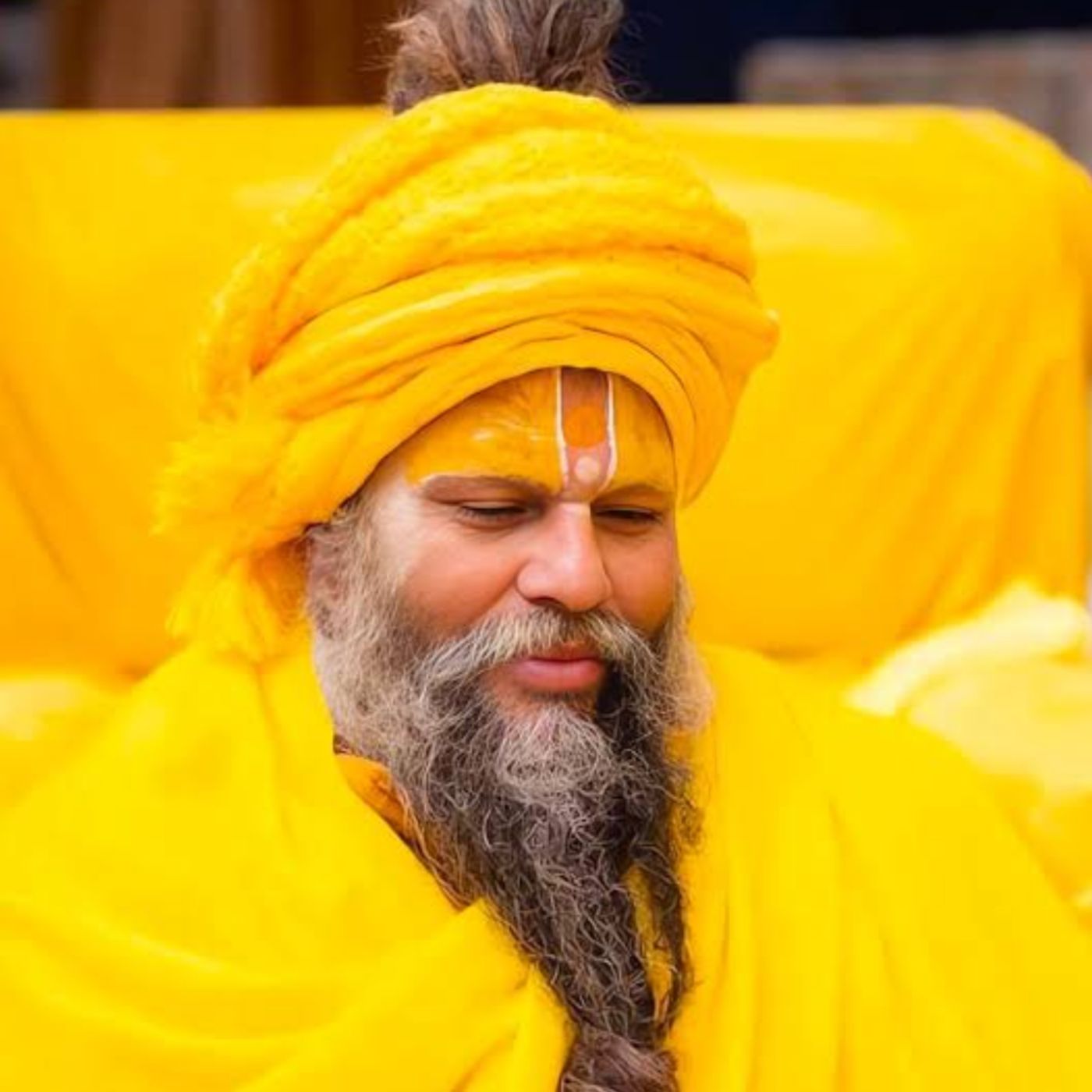
#1230 Ekantik Vartalaap & Darshan⁄09-04-2026⁄ Shri Hit Premanand Govind Sharan Ji Maharaj

·29 min·2 clips
Why do saints with no karma left still endure terrible suffering from people?
1. Ekantik Vartalap episode 1230 features Shri Hit Premanand Govind Sharan Ji Maharaj answering listener questions in a Hindi spiritual discourse (satsang) format. 2. The speaker is a Vaishnava saint addressing an audience of devotees; questions come from listeners identified by name and city. 3. The central question of the episode is: why do enlightened saints and great souls suffer, if they have gone beyond karma? 4. The speaker explains that saints who have realised Brahman are beyond all three karma categories — sanchit (accumulated), kriyaman (current action), and prarabdha (predestined) — because they have risen above body-identification. 5. He argues that the sufferings of saints are leela (divine play), through which God demonstrates to ordinary humans what equanimity and peace look like under extreme adversity. 6. He cites Ram's fourteen years of exile and separation from Sita, and Krishna's life from the time of the Gopis to his final moment in Dwaraka, as examples of divine suffering that are leela rather than karma. 7. He gives several historical examples of saints who suffered violent attacks: Uriya Baba having his nose nearly cut off by a paid assassin, Atma Prakash Swami of Kanpur being beaten at night by men who climbed the boundary wall of his garden, and Parmanand Swami of Bakshar being poisoned by a disciple. 8. In each case, the speaker reports that the saints responded with equanimity or even compassion toward their attackers — Uriya Baba embracing the man who tried to cut his nose and feeding him milk, asking if he had done something wrong. 9. The speaker also reports the fates of the attackers: the disciple who poisoned Parmanand Swami died in madness, screaming his guilt; those who beat Atma Prakash Swami similarly suffered. 10. He draws a clear moral: harming saints leads to severe spiritual consequences, while offering them compassion even when injured is the saint's natural response. 11. A listener named Kiran Bala Ji from Gurugram asks about the difference between prem (divine love) and moha (worldly attachment). 12. The speaker defines moha as attachment rooted in body-consciousness — to the physical body, its relatives, and the pleasures of the senses — and prem as love directed at the Atman's natural object: Krishna, Ram, Radha, Shiva, Paramatma. 13. He adds that devotional practice done while asking for sensory rewards is still moha, not prem; true prem wants only God and God's presence. 14. A listener asks what kind of fast or vow (vrat) will fulfil all desires and bring peace to body and mind; the speaker says naam jap — chanting the divine name — is the supreme vrat, surpassing all fasts, yagnas, and austerities. 15. He says the divine name is a treasure: 'naam ratan' — the jewel of the name — and that chanting it continuously accumulates a wealth that allows the devotee to obtain whatever they want. 16. On the question of whether God-realisation can happen while still alive, he says yes — if the devotee has strong longing and chants with complete dedication, realisation (bhagwat sakshatkar) can occur in this life. 17. The episode's longest teaching addresses saranagati (surrender) using the image of a potter: just as clay must be beaten, soaked, kneaded, shaped, and fired before it becomes a useful vessel, the ego (ahankar) must be fully surrendered to the guru's reshaping. 18. He uses the Vaishnava teaching of the kitten (billi ke baccha) versus the monkey (bandar ke baccha) as two models of surrender: the monkey clings actively, the kitten hangs passively in the mother's mouth — and only the kitten's model allows complete reshaping. 19. The session is a traditional call-and-answer satsang format with questions from named listeners across multiple Indian cities; the speaker cites scriptural references and specific saints by name throughout. 20. This episode is suited to listeners interested in Vaishnava philosophy, karma theory, devotional practice, and stories from the lives of modern Indian saints; it is in Hindi with Sanskrit quotations and is not for listeners without this background.
Listen to the show on