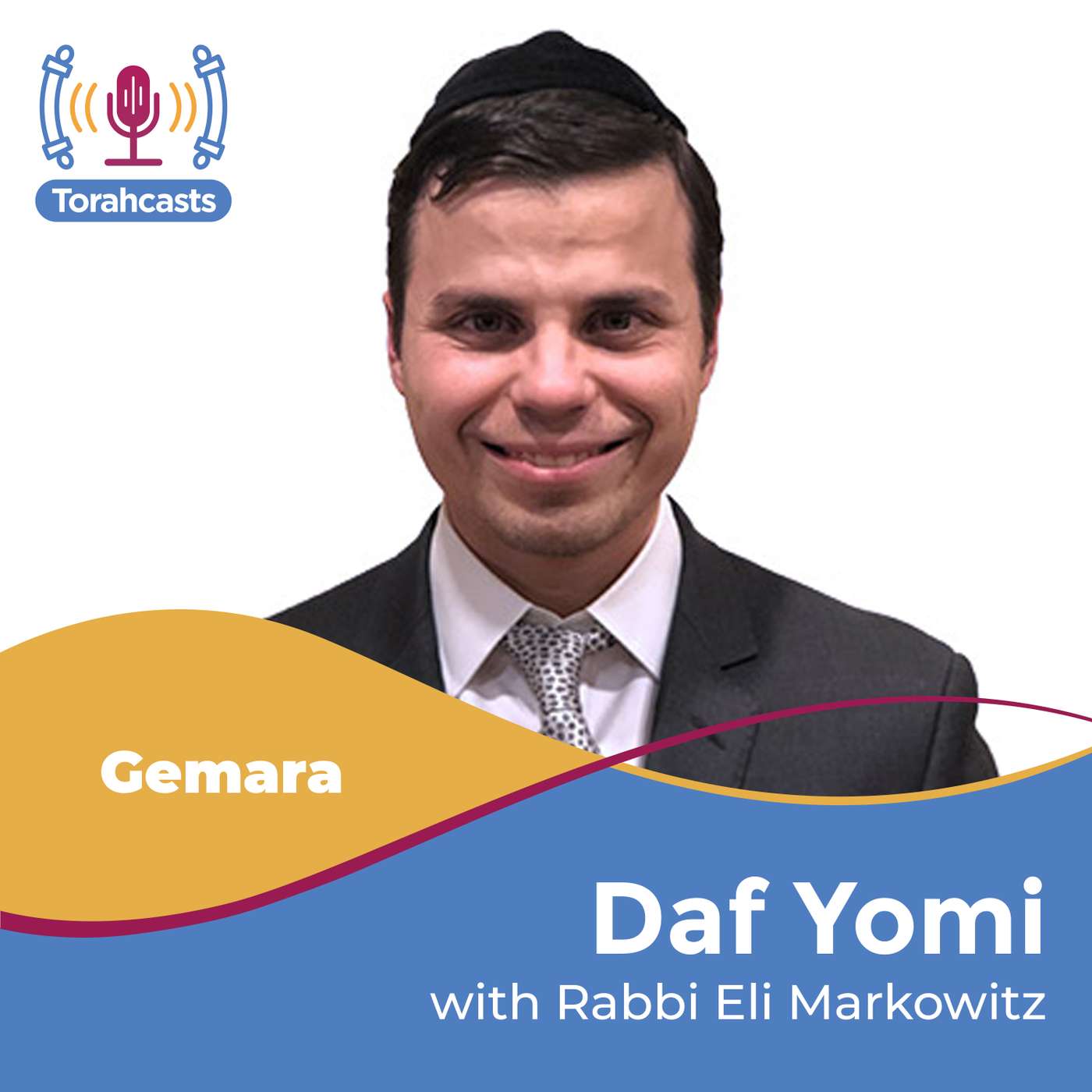
Daf Yomi with Rabbi Eli Markowitz · Eli Markowitz

Shekalim 11b Ketores money Laundering (Dirshu Amud Yomi #260)

April 7, 2026·14 min·1 clip
Rabbi Yossi and Rabbi Shulman Levi debate if Temple incense must be ground in a sacred vessel.
This episode of Daf Yomi with Rabbi Eli Markowitz analyzes a section of Talmud Shekalim 11b concerning the handling of surplus consecrated incense funds. Rabbi Markowitz, a teacher known for his detailed Talmudic explanations, guides listeners through a complex financial procedure from the Temple era. The discussion centers on the technical process of converting leftover holy materials into usable secular currency for workers. The Mishnah describes an annual allocation of 368 *manim* of incense, a number representing solar days plus three for the Yom Kippur service. A standard lunar year has only 354 days, creating a surplus alongside extra incense from the Yom Kippur ritual. The central problem is what to do with this leftover *ketores* (incense), which is *hekdesh* (consecrated), to pay the craftsmen who prepare it. The solution involves a transaction called *chilul*, where the sanctity is transferred from the incense onto secular money, rendering the incense *chol* (non-sacred) and the money holy. This *chol* incense is then given to the workers as wages, who sell it back to the Temple treasury for spendable cash. The Gemara questions how this works when both the original incense and the Temple treasury money are already consecrated. It explores using money designated for, but not yet spent on, mundane Temple maintenance items like wood from a vendor. The discussion references opinions from Rabbi Yishmael and debates whether payment must be for past labor from the current year's funds, not future work. A key sub-question arises about money from the old *shishka* (chamber) that wasn't needed for wages. Rabbi Yishmael initially suggests it could be used for altar maintenance, leading to a deeper analysis about the incense's sanctity level. The episode delves into whether the incense preparation requires *kele shareis* (sacred service vessels), which would impart a higher sanctity (*kedushas haguf*). The positions of Rabbi Yochanan and Shmuel are contrasted on this issue. Rabbi Yochanan's ruling that privately owned incense could be donated is cited as proof he holds it does not require *kele shareis*, allowing for the *chilul* process. Conversely, Shmuel's view that grinding the incense makes it like *hekdesh* suggests it does require such vessels. The discussion analogizes to surplus sacrificial animals, citing rulings from Shmuel, Rav Yosef, and Abaye about whether they can be redeemed or must develop a blemish first. A surprising insight is the intricate financial engineering designed to adhere to ritual law while practically compensating workers. The episode reveals how the status of an item could remain undecided, like surplus animals only designated as a specific offering at the moment of slaughter. The debate hinges on nuanced interpretations of phrases like "*kodesh l'Hashem*" to determine if they mandate use of sacred vessels. The hypothetical scenario of a craftsman keeping the *chol* incense as a donation illustrates the real-world implications of these abstract laws. The tone is educational and conversational, with Rabbi Markowitz patiently unpacking dense legal arguments using modern analogies like Home Depot purchases and buying a burger. The style is explanatory, frequently pausing to build conceptual bridges for listeners and acknowledge the text's choppy nature. It focuses on logical deduction and tracing differing rabbinic opinions without narrative flair. Listeners who enjoy deep, technical Talmudic analysis about Temple economics and legal theory will find this episode engrossing. Those seeking broad philosophical themes, contemporary application, or a beginner-friendly introduction to Talmud may find the highly specialized financial discussion too challenging.
Listen to the show on