Nora reveals the two levels of uncomfortable white people when real cultural authenticity emerges.
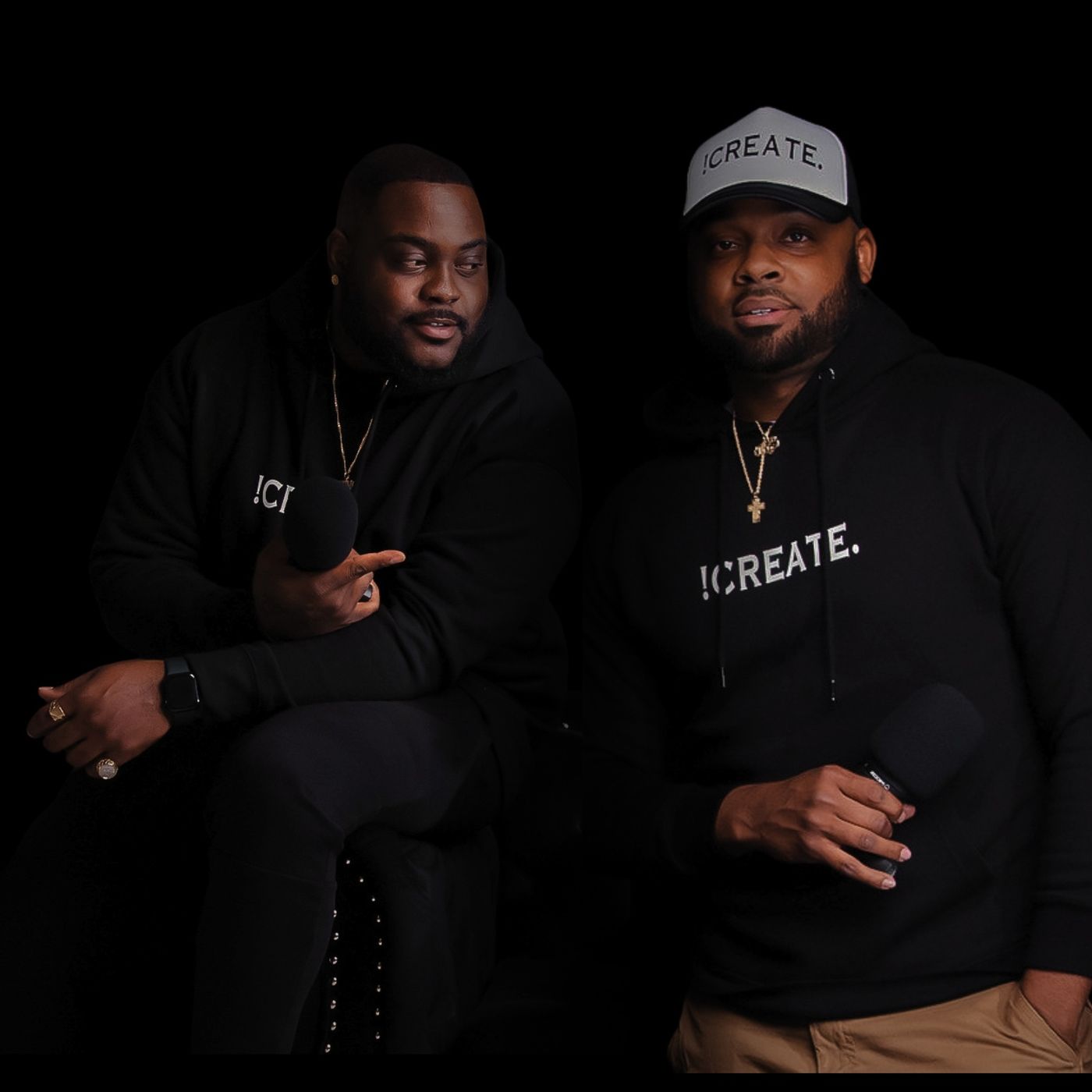
This episode features hosts from the !Create Podcast discussing racial dynamics and social discomfort in interracial settings. The conversation centers on the hosts' personal observations and experiences navigating predominantly white spaces. They frame their commentary through the lens of comedic and cultural influences like Dave Chappelle and Robin Williams.
The hosts analyze two distinct types of discomfort they perceive from white people in mixed company. The first type arises during what they term "real nigga shit," which encompasses Black cultural expression or historical education. They argue this authenticity conflicts with the "imitation" they believe is required to survive in white-dominated worlds. The second type is described as a "weird-ass white people energy" manifesting as proud or shocked approval. The hosts express a rejection of this approval, questioning the underlying expectation that Black excellence is surprising. They illustrate this with a critique of a condescending "warm smile" from white observers.
A key insight is the hosts' assertion that their commentary targets anyone, regardless of race, who merits critique. A memorable moment is a direct address to the listener warning, "we're not racist, but we will talk about your ass." The conversation turns reflexive when one host questions what it means for Black people to "be acting a way they shouldn't be acting" in front of white people. This prompts internal debate, with one host admitting they know what the question implies but wanting to gauge the day's perspective. Another host suggests that sometimes such behavior "is cool," indicating a nuanced view of policing Black comportment.
The tone is candid, confrontational, and conversational, blending humor with pointed social critique. The style is informal and rooted in personal anecdote and comedic framing. Listeners interested in unfiltered discussions on race, authenticity, and social performance would appreciate this episode. Those uncomfortable with blunt, provocative language or critiques of interracial dynamics might choose to skip it.