Wakeup Call: Civic Discourse Shouldn’t be Fueled in Anger
·2 min
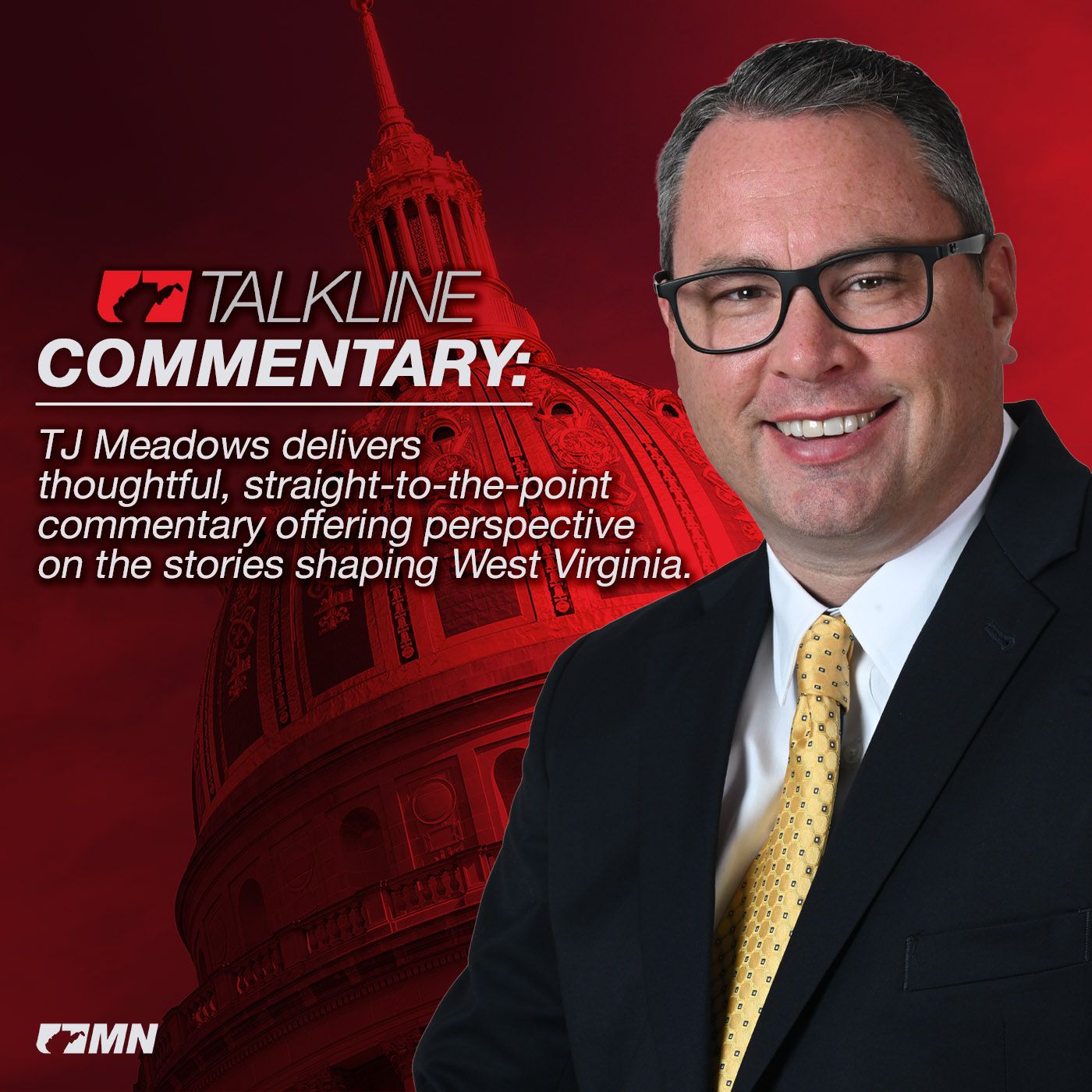
The episode opens by affirming debate as a positive force for advancing issues and fostering healthy civic culture. TJ Meadows then introduces the central problem: when debate shifts into anger aimed at beating others rather than finding good outcomes, it becomes corrosive. He shares a personal moment from a church visit where a baptism message referenced James 1:19, emphasizing being quick to hear, slow to speak, and slow to anger. This triggers self-reflection, leading Meadows to examine his own behavior on talk radio and social media. He notes that while opinions are often fact-based, the goal subtly changes to proving someone wrong, winning exchanges, or getting the last word. Responses given too quickly without truly listening breed frustration, which may be masked by professional or civil language but rooted in anger. Meadows points the finger inward first, acknowledging personal shortcomings, pride, and a need for improvement. He stresses that conviction, strong beliefs, and advocacy matter, but so does humility. The episode imagines a better approach where political conversations start with listening, disagreement includes grace, and persuasion doesn't require personal victory. This could help maintain both convictions and relationships. Meadows concludes by inviting listeners to hold him to this standard, reinforcing the reminder to listen first before speaking. The format is a solo commentary, blending personal narrative with philosophical insights on communication. Recurring themes include the tension between constructive and destructive debate, the role of emotion in discourse, and the practical application of wisdom from religious texts. Key moments include the church anecdote, the admission of personal failings, and the call for humility in advocacy.