Chile Crece · El Conquistador FM

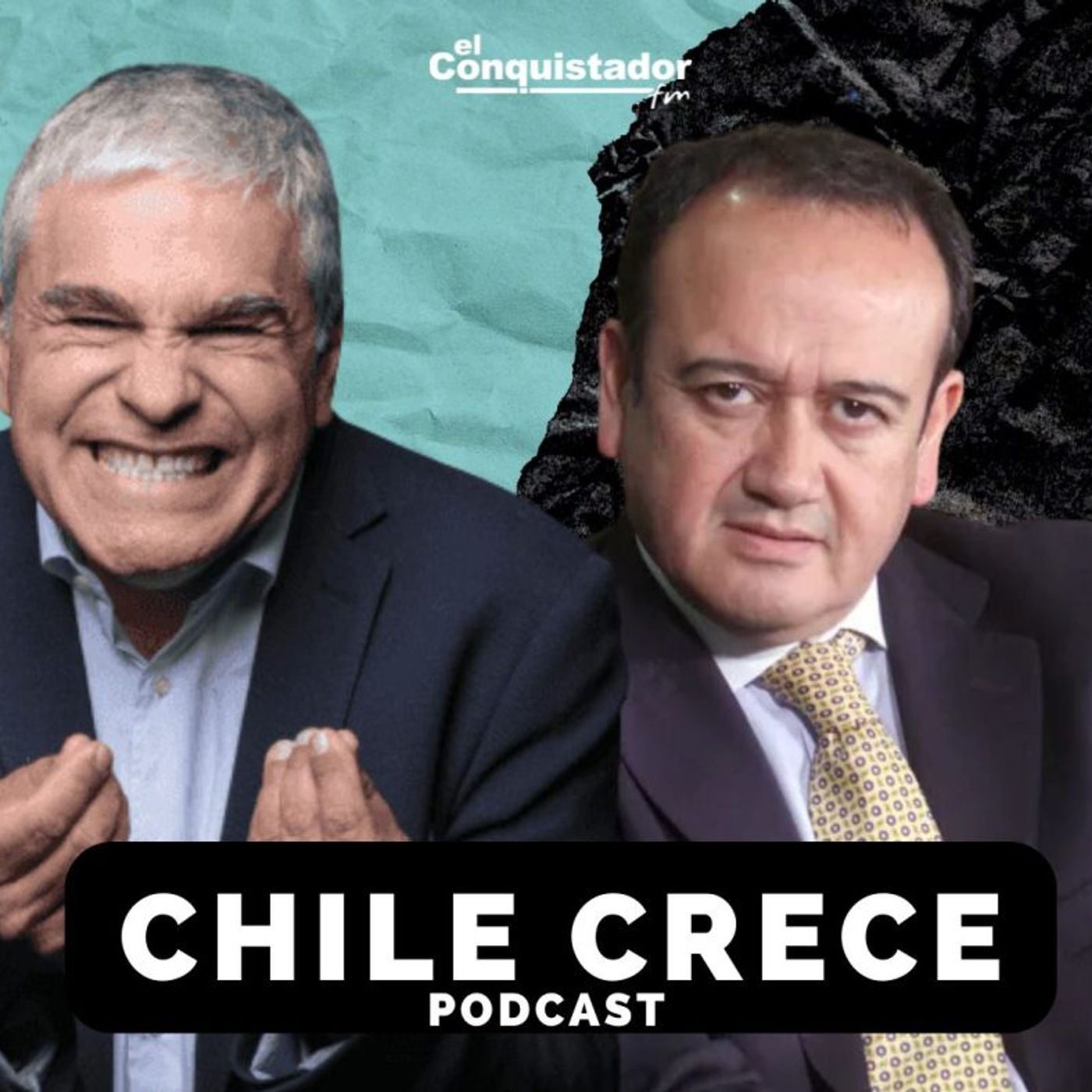
Chile Crece | Nicolás Larraín y Willy Díaz | 09-04-2026

·37 min·3 clips
Why March's inflation data might miss the recent fuel price surge that started at $71 and ended at $101 per barrel.
1. Chile Crece, hosted by Willy Díaz with Nicolás Larraín joining in the second block, covers Chilean macroeconomics and political scandal in this April 2026 episode. 2. Willy Díaz opens alone, noting he recently had to revise a presentation multiple times on the same day due to oil price volatility driven by the Iran-US conflict. 3. The episode's core economic thesis is that Chile's March inflation print already captured most of the oil shock, because 75–79% of CPI basket goods respond rapidly to fuel price changes. 4. Díaz traces the specific oil price sequence: $71 per barrel at the start of March, $94 when Chile's government announced MEPCO subsidy measures on March 26, then $107–108 in the final week before March 31 settled at $101. 5. He explains the INE methodology: the CPI is calculated by comparing prices on the first and last days of the month, meaning the sharp last-week spike is fully captured in the March index. 6. Díaz argues that April's starting price level is already elevated, so if the Iran-US conflict resolves and oil falls back, April month-end prices may not be significantly higher than April's first-week prices, softening the April inflation reading. 7. He flags the April 24 Banco Central monetary policy meeting as the next major decision point, though he says the current uncertainty makes it likely the bank will hold rather than raise or cut. 8. Díaz explains that interest rate changes take four to six months to feed through to the real economy, and that mortgage rates in particular move slowly because banks fund mortgages by selling instruments to AFPs rather than lending deposits. 9. He notes copper is at $5.75 per pound — supported in part by wartime demand for copper in ammunition — which represents a positive buffer for Chile's fiscal position. 10. Díaz discusses a listener question about the Miscellaneous Law's proposed corporate tax cut from 27% to 23%, calling it less a cut and more an update since Chile is four percentage points above the OECD average. 11. On the proposed temporary VAT exemption for housing, Díaz argues the measure is conceptually flawed for existing stock because construction companies already paid VAT on inputs like cement, which they cannot recover if they now sell without issuing invoices. 12. He states that only housing built after the decree takes effect would benefit on the cost side, because those builders would purchase inputs without accumulating irrecoverable VAT. 13. Díaz describes property contributions (contribuciones) as a double tax — first income tax is paid on wages used to buy a house, then a recurring tax is charged on a paper gain that has not been realized. 14. In the second block, Nicolás Larraín joins and the conversation turns to a congressional fund scandal involving Camila Flores, whom Willy Díaz notes issued a denial statement without addressing specifics. 15. Larraín references prior congressional finance scandals including Maximiliano Rastri, who was convicted of diverting congressional assignment funds, and former Antofagasta mayor Karen Rojo, who spent years in prison. 16. Larraín says he prefers to wait for fiscal investigators to formally enter a case before forming an opinion, citing as precedent his restrained response to earlier allegations against Karol Cariola until the Fiscalía opened an inquiry. 17. He estimates that of a congressman's roughly 15 million pesos in monthly remuneration, 8–9 million is wage and the rest is assignments for fuel, phone, and office costs — noting rural legislators legitimately spend far more on travel than those in Santiago. 18. The tone throughout the economics block is analytical and lecture-style, with Díaz working through methodology before conclusions; the political block is more conversational and anecdote-driven. 19. Chilean listeners who follow macroeconomics, central bank policy, and political accountability will find the episode dense with specific data points and named actors. 20. Non-Spanish speakers and those seeking international content or entertainment rather than Chilean domestic policy will find little applicable here.
Listen to the show on