British General Elections podcast · Tim Smith

1951 Election part 2

·37 min·3 clips
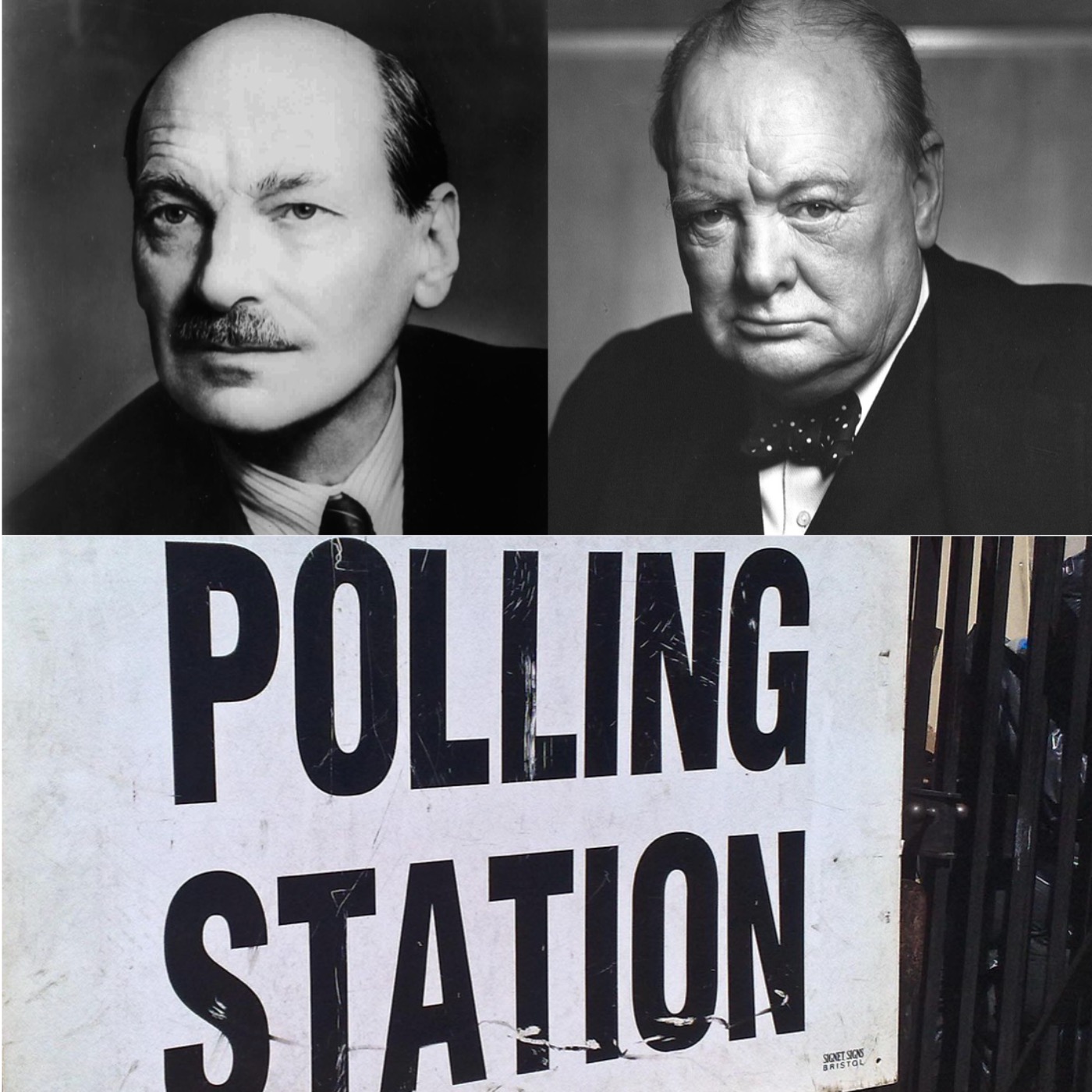
Historian Ross McKibben rejects the idea Attlee called the election for the King, suggesting it was to discipline the Labour Party.
August is quiet, usually. Smith uses the lull to pick up the 1951 story after Labour's narrow return in 1950, before the election is formally called. The puzzle is timing. Looking back, Attlee's choice can look almost perversely bad, but the episode is less interested in dunking on him than in showing why the decision was still arguable at the time. Persia keeps pulling focus. The Aberdeen crisis sits over the run-up, with the UK and US using financial sanctions meant to hurt. Oil exports are blocked. Dollar access is restricted, which matters because Persia is inside the sterling zone and relies on the Bank of England for dollars. Scarce materials are held back too. Smith treats this as financial hardball, not a neat political solution. The press adds heat. Reports about Mossadegh, the Majlis, and a gun incident give British readers a picture of Persia as disorderly. Dalton gets a dry little spotlight. His statements during a difficult stretch for industry come off as publicity hungry and careless. Morrison meets Acheson, placing the foreign secretary and the American secretary of state inside the pressure campaign. Czechoslovakia makes the sanctions messier. Persia tries selling oil there below market rates, which lets Smith compare it with modern sanctions evasion around Iran. The point is plain enough: none of this is as new as it can sound. That aside fits the show, dry and historically minded without treating 1951 as uniquely modern. Campaign machinery is ready. Next comes Labour and Conservative opening moves, with the King's illness darkening the backdrop before the insults start flying again.

As heard by us

A careful run-up to 1951 that explains Attlee's timing, not just the outcome.

Tim Smith's 1951 episode keeps its attention on why Attlee chose that election moment and why, in hindsight, the timing looks so poor. It moves from a quiet August into the build-up to conference season and the Persian dispute that soon takes over the campaign.

Read the full review in PlayNext →

Why you'd press play

You want the logic behind a badly timed 1951 election call.

Read the full recommendation in PlayNext →
Listen to the show on