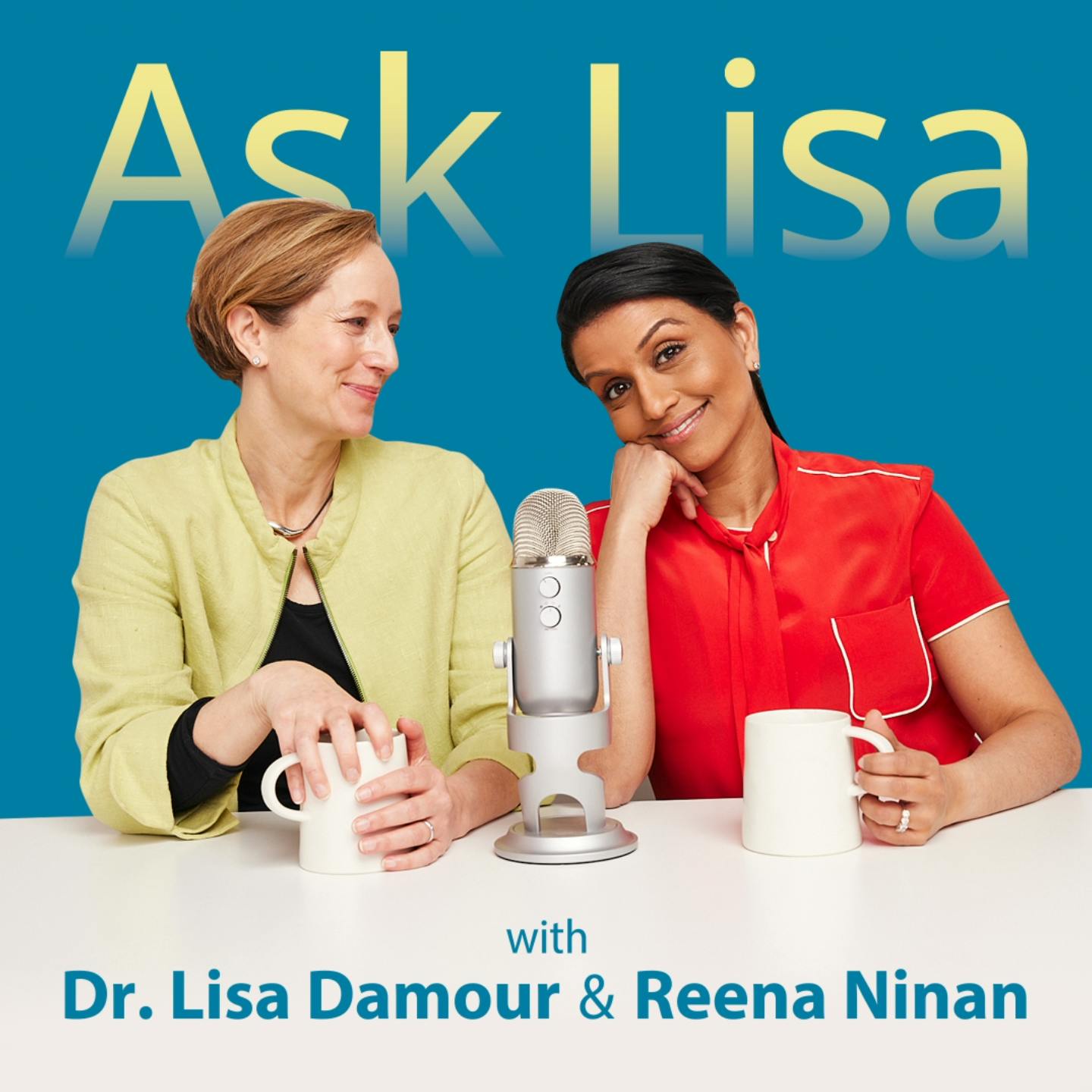
Ask Lisa: The Psychology of Raising Tweens & Teens · Dr. Lisa Damour/Reena Ninan

216: How Do We Get Kids to Stop Fat Shaming?

·32 min·3 clips
Dr. Lisa and Reena reveal the parenting issue everyone struggles with but no one talks about.
This episode of Ask Lisa addresses the normalization of fat-shaming language among teenagers, particularly in school settings. Hosts Dr. Lisa Damour, a psychologist, and Reena Ninan, a journalist, explore how adult behaviors inadvertently model this criticism. They respond to a detailed letter from a school counseling director seeking science-backed strategies. The letter describes an increasing trend of girls openly calling each other names like "fatty" or "pig" and references the "big back" trend on TikTok. Dr. Damour identifies this as a form of relational aggression where insults are framed as jokes. She explains that such behavior often stems from teens projecting their own body anxieties onto peers. The hosts discuss how casual comments about weight from adults, like a parent mentioning they've "gained 20 pounds," can unconsciously influence children. They emphasize that diet culture and societal pressures magnify these issues during adolescence. A key insight is that fat-shaming frequently masks deeper social anxieties about fitting in and personal insecurity. Dr. Damour notes that teens may engage in this language to establish social hierarchy or preempt criticism directed at themselves. The conversation reveals how normalized diet talk, such as discussing flax seeds for weight management, can perpetuate a critical atmosphere. The hosts stress that schools and parents must address the underlying emotional drivers, not just the language itself. They argue that stopping this behavior requires shifting the entire peer culture's norms. The tone is conversational and educational, blending personal anecdote with professional psychological analysis. It is a supportive dialogue offering actionable parenting and counseling strategies. This episode is ideal for parents, educators, and counselors of tweens and teens confronting peer cruelty or body image issues. Listeners seeking purely developmental theory without practical application might find it less suited to their interests.
Listen to the show on