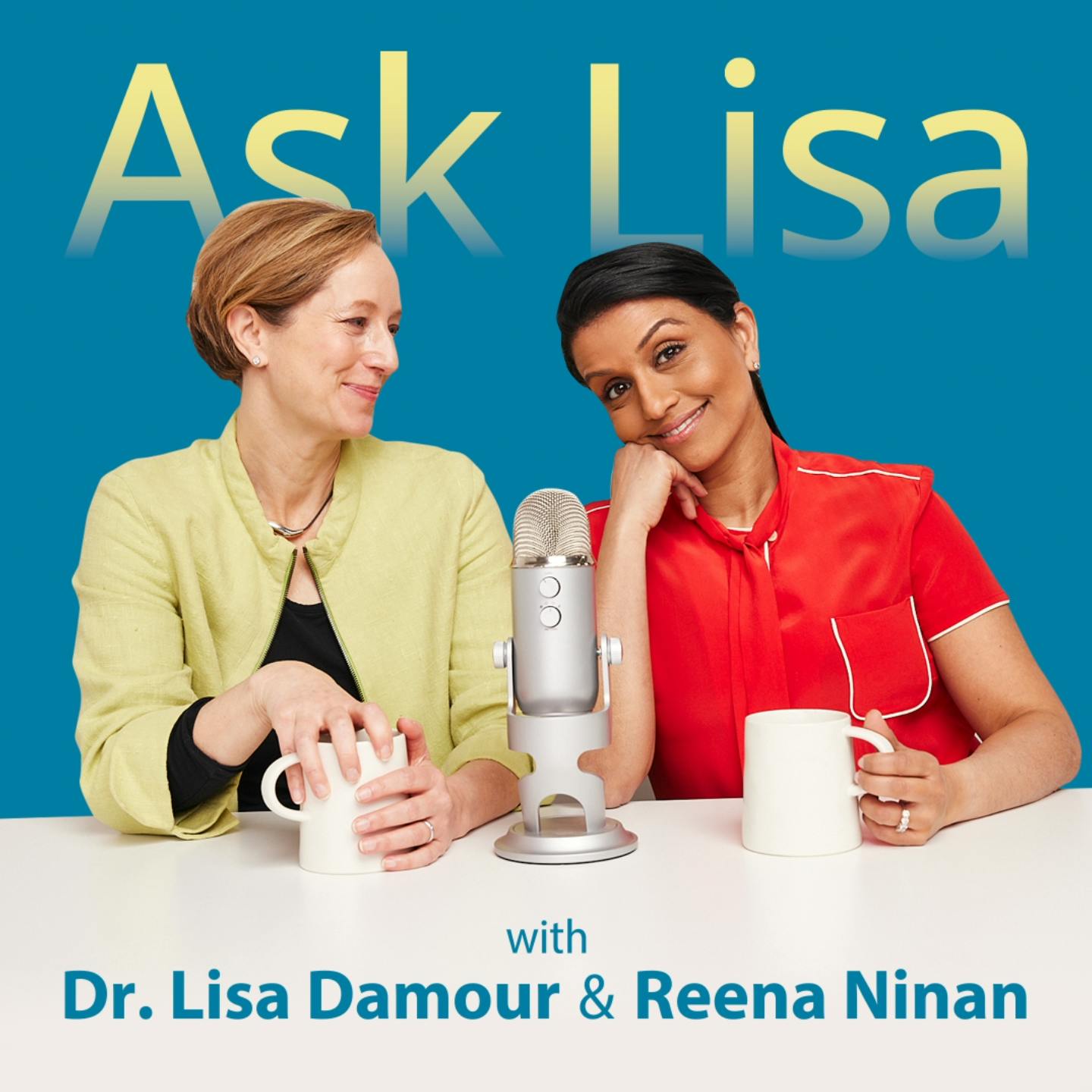
Ask Lisa: The Psychology of Raising Tweens & Teens · Dr. Lisa Damour/Reena Ninan

215: Is It Possible to Talk About Feelings Too Much?

·31 min·3 clips
Reena reveals the hidden challenge every parent faces with tweens and teens: not knowing how to connect anymore.
This episode of Ask Lisa: The Psychology of Parenting addresses whether parents can overshare their emotions with their adolescent children. Hosts Dr. Lisa Damour, a clinical psychologist, and Reena Ninan, a journalist, explore this nuanced parenting dilemma. They respond to a listener's letter about her emotionally articulate 14-year-old daughter. The letter writer describes her daughter as intelligent and well-versed in social-emotional learning from her school curriculum. A specific conflict arises when the daughter procrastinates on chores, telling her mother, "I'm going to do it," but then fails to follow through. The mother feels frustrated and explicitly names her feeling of frustration to her daughter in these moments. Dr. Damour analyzes this dynamic, distinguishing between healthy emotional expression and burdensome emotional disclosure. She references the concept of "self-disclosure" from psychological literature. A key insight is that parents should generally avoid making their children responsible for managing parental emotions. Dr. Damour suggests the mother's statement might make the daughter feel culpable for the mother's emotional state. The podcast clarifies that expressing feelings is not inherently problematic, but the context and intent matter greatly. A surprising claim is that excessive emotional processing can sometimes hinder a teenager's natural development and independence. The hosts imply that constant emotional labeling can turn minor conflicts into unnecessarily heavy emotional events. Dr. Damour advises focusing on collaborative problem-solving about the chore itself rather than repeatedly highlighting the parent's emotional reaction. The episode suggests that a child's well-developed emotional vocabulary doesn't necessarily mean they are equipped to handle a parent's emotional burdens. A memorable moment is the hosts' relatable digression about the challenges and dietary restrictions of preparing for a colonoscopy. The tone is conversational, educational, and supportive, blending professional expertise with relatable personal anecdotes. Listeners seeking practical scripts for navigating emotional conversations with teens would appreciate this episode. Parents feeling stuck in repetitive emotional conflicts with their children would find actionable strategies here. Those looking for broad cultural commentary or debate-driven content might want to skip it.
Listen to the show on