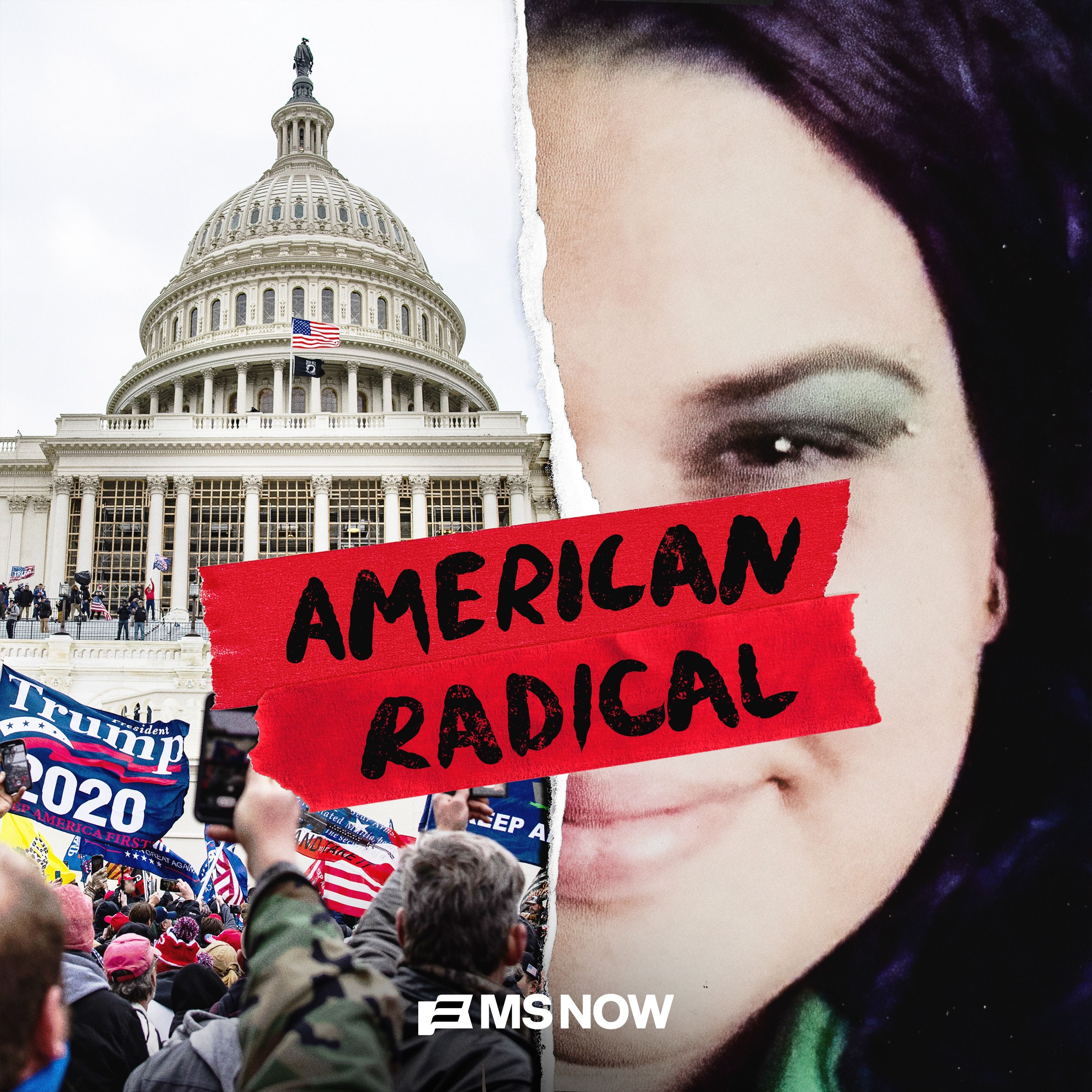
American Radical · MS NOW, Ayman Mohyeldin

14 Hours

December 12, 2021·33 min·2 clips
Roseanne says Wayfair cabinets, missing kids, and $75,000 price tags were connected.
The episode uses one day in July 2020 as a way into a larger story about belief and persuasion. It starts at her parents' house, where summer heat, swimming, and restless children keep the setting ordinary. Lana arrives in a bad mood. Roseanne is already by the pool, listening to classic rock, watching the girls swim, and playing with bubbles. The narration keeps circling back to that normality because it makes the later turn harder to miss. The story then explains how the "Save the Children" slogan spread online after Instagram and Facebook algorithms downranked other content. That shift pushed people to reuse other hashtags, and "Save the Children" became a vehicle for QAnon ideas without ever using the word QAnon. The result was a message that sounded caring while carrying QAnon ideas underneath. The episode stays close to that mechanism. It shows how people could be drawn in without realizing they were being pulled toward a bigger worldview. One interviewee compares the tactic to ISIS recruiting language, where a cause presents itself as selfless and future-facing while steering people toward violence. Roseanne's personal history gives the story its emotional center. She had wanted children, but cervical cancer meant she could not have them. That loss seems to have made her especially open to other people's children. Friends remember her as someone who would pick up kids, take them for ice cream, and step in when others were struggling. The episode does not reduce that kindness to a slogan. Instead, it asks how love, grief, and purpose can turn into vulnerability. The final effect is restrained and unsettling, with family memory carrying as much weight as the larger political frame.

As heard by us

A family story about how rescue language can be bent toward conspiracy without losing its human cost.

"14 Hours" sits in a hot Wednesday evening in July 2020 and shows how "Save the Children" language can be bent into conspiracy talk while still sounding selfless. The episode stays close to family memory and interview detail, and that is where it lands hardest.

Read the full review in PlayNext →

Why you'd press play

When concern for children gets repurposed as conspiracy bait, this episode shows how the trap can close.

Read the full recommendation in PlayNext →
Listen to the show on